

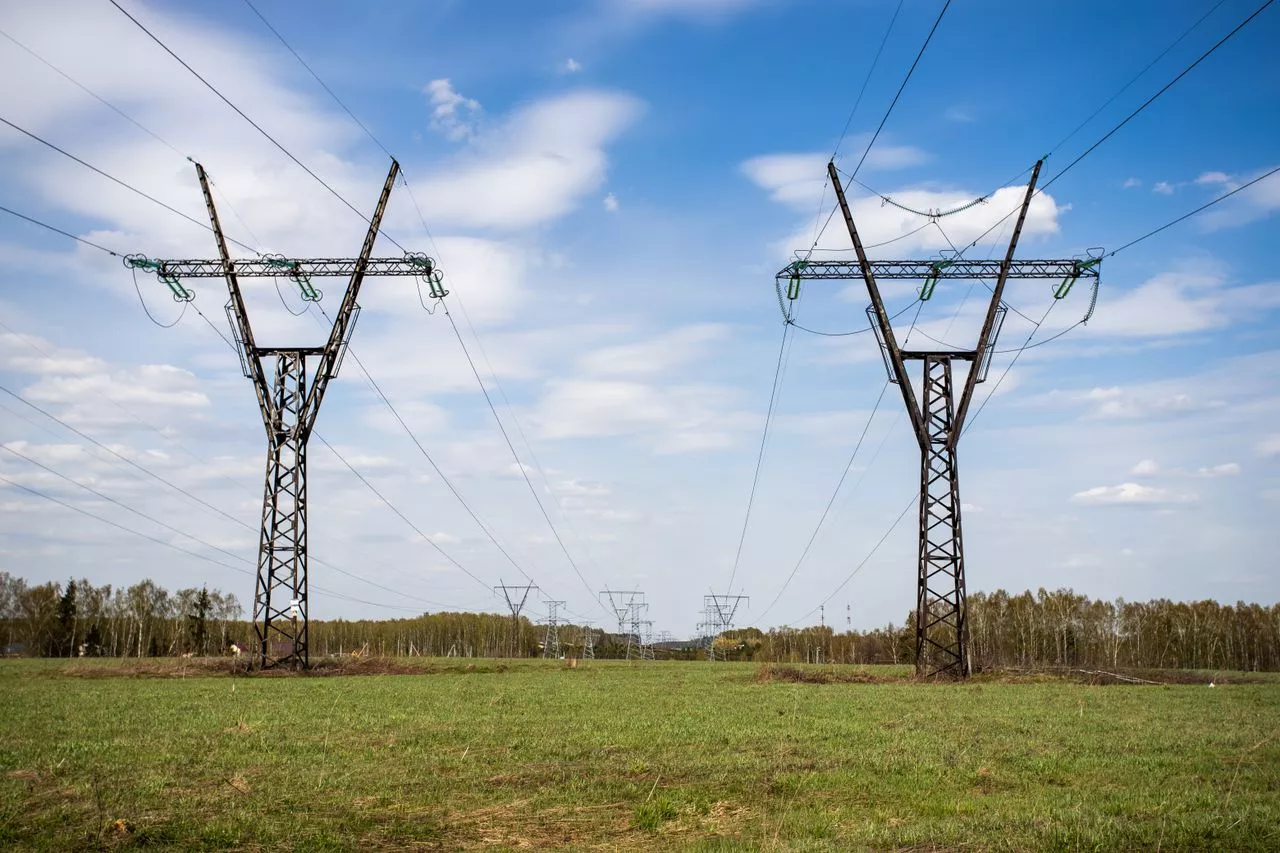
DOE Transmission Study Highlights Strategic Importance of North Plains Connector and Interregional Grid Expansion
The North Plains Connector Utility Consortium has welcomed the findings of the U.S. Department of Energy’s (DOE) 2026 National Transmission Needs Study, emphasizing that the report reinforces the growing importance of interregional transmission infrastructure in supporting the nation’s evolving electricity system. According to the consortium, the study confirms what utilities, grid operators, and energy planners have increasingly recognized in recent years: expanding transmission capacity across regional boundaries will be essential for maintaining reliability, accommodating rising electricity demand, and ensuring that power can be delivered efficiently to customers across the United States.
The DOE study arrives at a pivotal moment for the U.S. power sector. Electricity consumption is projected to increase significantly over the coming decades as economic growth, electrification of transportation, industrial expansion, artificial intelligence data centers, and the broader energy transition drive unprecedented demand for reliable power supplies. At the same time, many regional transmission systems are experiencing growing congestion and operational constraints, creating challenges for utilities seeking to maintain dependable and affordable service.
Against this backdrop, the National Transmission Needs Study identifies interregional transmission as one of the most valuable and cost-effective strategies for addressing future grid requirements. The report notes that transmission connections spanning multiple regions possess substantial potential to relieve congestion, improve resource adequacy, and enhance system flexibility. By enabling greater movement of electricity between markets, these projects can help utilities optimize generation resources, reduce operational bottlenecks, and strengthen overall grid performance.
The North Plains Connector Utility Consortium believes these findings underscore the importance of long-term investments in transmission infrastructure. Consortium members argue that expanding interregional connections is no longer merely an option for future planning but a strategic necessity as utilities prepare for a more dynamic and complex electricity landscape.
Interregional transmission projects offer a number of significant advantages for the modern power system. One of the primary benefits is the ability to transfer electricity between areas experiencing different weather patterns and demand conditions. Because renewable energy generation often depends on local weather conditions, geographic diversity can provide meaningful operational benefits. Wind conditions in one region may complement solar production or electricity demand patterns in another, creating opportunities for more efficient resource sharing.
The DOE study specifically highlights the North Plains Connector as a project capable of delivering such benefits. According to the report, the transmission project can facilitate cross-interconnection power transactions among generation resources that experience varying weather conditions, enabling regions to exchange electricity more effectively during periods of high demand or limited local generation.
This capability is increasingly important as utilities integrate larger amounts of renewable generation into their portfolios. Geographic diversity in power resources can improve system resilience by reducing dependence on a single resource type or localized generation area. Enhanced transmission links allow utilities to access a broader mix of energy resources, thereby improving operational flexibility and supporting reliability during extreme weather events or unexpected system disruptions.
Another major advantage of interregional transmission is its potential to reduce congestion costs. Transmission congestion occurs when existing infrastructure lacks sufficient capacity to move electricity from areas with abundant generation to locations where demand is higher. Such constraints can increase electricity prices and limit the efficient use of available resources.
By expanding transfer capability between regional grids, projects such as the North Plains Connector can help alleviate these constraints, improving market efficiency and reducing costs associated with congestion. Increased transmission capacity can also help optimize the use of existing generation and transmission assets, potentially reducing the need for additional infrastructure investments in certain areas.
Grid resilience represents another key consideration highlighted by the DOE study. Extreme weather events, cybersecurity risks, and evolving electricity demand patterns are creating new challenges for grid operators nationwide. Interregional transmission can serve as a critical tool for improving resilience by providing additional pathways for electricity delivery during emergencies or system disturbances.
Enhanced regional connectivity allows utilities to respond more effectively to changing operating conditions, share reserve resources, and provide mutual support during periods of stress. This interconnected approach can improve reliability outcomes for customers while strengthening the overall stability of the national electric system.
The National Transmission Needs Study’s recognition of the North Plains Connector as a valuable transmission solution is particularly significant for the consortium and participating utilities. By linking markets that currently operate with limited interconnection, the project has the potential to unlock substantial long-term benefits across multiple regions.
The North Plains Connector is expected to facilitate more efficient power transactions between neighboring systems, enabling utilities to better manage changing demand patterns and generation variability. Such capabilities can become increasingly valuable as electricity demand growth accelerates and regional planning requirements evolve.
Consortium members also view the project as an important step toward building a more integrated and resilient grid infrastructure capable of supporting future economic development. Reliable transmission systems are increasingly recognized as foundational infrastructure that enables industrial growth, supports new technologies, and facilitates investment across multiple sectors of the economy.
The utility consortium supporting the North Plains Connector includes several major energy providers and transmission stakeholders from across the western and northern United States. Participating organizations include ALLETE Inc., Avista, BHE U.S. Transmission, Great River Energy, Montana-Dakota Utilities, a subsidiary of MDU Resources, Minnkota Power Cooperative, NorthWestern Energy, Portland General Electric, and Puget Sound Energy.
Together, these organizations serve millions of customers and manage significant portions of the regional electric infrastructure. Their collaboration reflects a growing recognition across the utility industry that interregional transmission development requires coordinated planning and long-term investment strategies.
As the United States continues to modernize its electricity infrastructure, the findings of the DOE’s 2026 National Transmission Needs Study are expected to play an important role in shaping future policy discussions and investment decisions. The report provides further evidence that expanding transmission networks will be essential for maintaining reliability, supporting economic growth, and enabling the efficient integration of diverse energy resources.
For the North Plains Connector Utility Consortium, the study represents a strong endorsement of the project’s strategic value and its potential contribution to the future U.S. electric grid. By increasing connectivity between regions, improving access to diverse generation resources, and strengthening system resilience, the North Plains Connector could become a key component of America’s evolving transmission infrastructure and help ensure reliable, affordable electricity delivery for decades to come.
Source Link: https://www.businesswire.com/