

ExxonMobil Launches CCS Operations at Nucor’s Louisiana DRI Facility
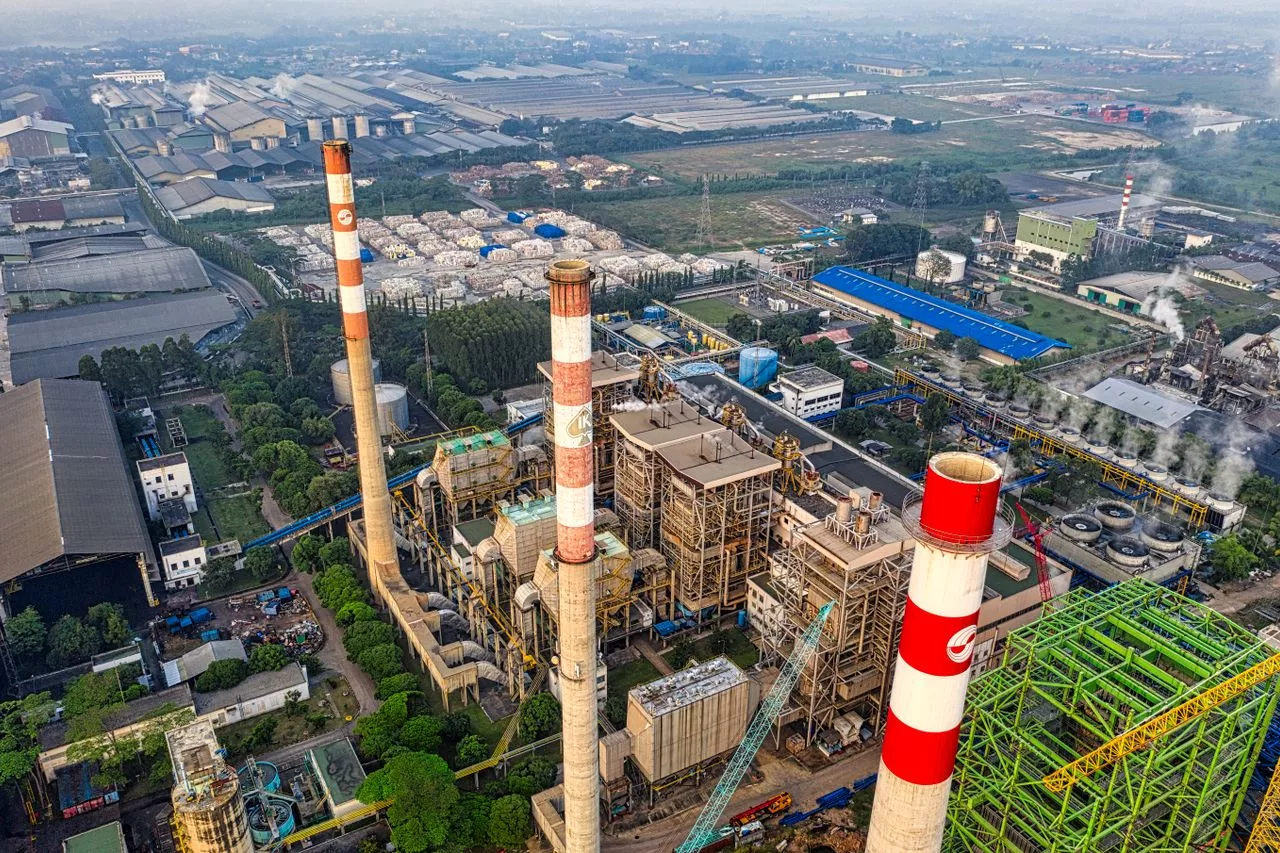
ExxonMobil has begun carbon capture and storage (CCS) operations at Nucor’s direct reduced iron (DRI) facility in Convent, Louisiana, marking another development in the expansion of carbon-management infrastructure along the U.S. Gulf Coast.
The project is designed to capture, transport and permanently store up to 800,000 metric tons of carbon dioxide (CO2) annually. According to ExxonMobil, the system will support the production of direct reduced iron with a lower carbon intensity at commercial scale in North America.
The startup represents ExxonMobil’s third CCS project serving a third-party customer and its second such project to begin operations in 2026. The company said the development contributes to the continued expansion of its Gulf Coast CCS network, which includes additional carbon-management infrastructure and the Rose carbon storage project.
Supporting Lower-Carbon Steel Production
Steel is a fundamental material for modern economies and is used across transportation, construction, manufacturing, infrastructure and energy systems. However, conventional steelmaking can generate significant greenhouse gas emissions, making decarbonization a major focus for producers and technology providers.
Nucor’s Convent facility produces direct reduced iron, a material used in steelmaking. By capturing CO2 associated with operations at the facility and transporting it for permanent underground storage, the CCS project is intended to reduce the carbon emissions associated with DRI production.
The project reflects an approach in which carbon capture is integrated into an existing industrial process rather than relying solely on changes to the underlying production technology. For industries with significant process or energy-related emissions, CCS can provide an additional pathway for reducing emissions while maintaining industrial output.
ExxonMobil said the Nucor project demonstrates how carbon-management infrastructure can be applied to large industrial facilities and support lower-emissions production. The company also highlighted the importance of the steel industry to economic activity and the broader energy and infrastructure sectors.
Nucor, one of the major steel producers in the United States, has been pursuing initiatives intended to reduce the emissions intensity of its operations. The CCS project at Convent adds carbon capture and permanent storage to those efforts.
Gulf Coast CCS Infrastructure Expands
The Nucor project is also connected to ExxonMobil’s broader strategy of developing a regional CCS network along the Gulf Coast. Such networks require more than capture equipment at individual industrial sites. They also depend on transportation infrastructure and permitted geological formations capable of storing large quantities of CO2 over extended periods.
ExxonMobil is developing dedicated carbon storage capacity through its Rose carbon storage project in Texas. The company said the project recently passed an important regulatory milestone after its permit received approval from the Texas Railroad Commission.
The Rose project involves three Class VI injection wells in Jefferson County, Texas. A draft permit for the wells was issued by the Texas Railroad Commission in July 2025. The proposed wells are designed to enable permanent storage of up to 5 million metric tons of CO2 annually over a 13-year period.
Class VI wells are specifically regulated for the geological sequestration of CO2. Their permitting involves requirements intended to evaluate the suitability of underground formations, protect underground sources of drinking water and monitor the injected carbon dioxide.
For ExxonMobil, development of the Rose project is intended to provide additional dedicated storage capacity for customers seeking carbon-management services in the Gulf Coast region.
Storage Capacity Key to CCS Growth
The development of storage sites is a critical component of large-scale CCS deployment. Capturing CO2 at an industrial facility is only one part of the process; the captured gas must also be transported and placed into suitable geological formations under regulatory oversight.
The Rose project is expected to become an important component of ExxonMobil’s Gulf Coast CCS system. The company said it is the first Class VI storage site in its Gulf Coast CCS network and could provide storage capacity to support industrial customers seeking to reduce their emissions.
The expansion of storage capacity could also allow CCS infrastructure to serve multiple industrial facilities over time. This network-based model can potentially connect sources of CO2 with dedicated transportation and storage systems, reducing the need for individual customers to develop complete carbon-management infrastructure independently.
The Nucor startup therefore represents both an individual industrial project and part of a broader regional infrastructure strategy.
Continued CCS Development
ExxonMobil now has three operational CCS projects serving third-party customers, with two of those projects having started in 2026. The company is continuing to develop additional infrastructure as demand for carbon-management services evolves across the industrial sector.
The latest startup comes as companies in energy-intensive industries examine technologies capable of reducing emissions while maintaining production. Steel, chemicals, refining, natural gas processing and other industrial sectors are among those where carbon capture can potentially be integrated into existing operations.
The scale of the Nucor project illustrates the volume of CO2 that can be managed through a dedicated CCS system. Capturing and storing as much as 800,000 metric tons of CO2 annually would represent a substantial carbon-management operation, while the development of additional storage capacity could enable ExxonMobil to expand services to other industrial customers.
The company’s Gulf Coast strategy combines capture projects, CO2 transportation and underground storage development. As more facilities become connected to such networks, the availability of permitted storage capacity will remain an important factor in determining how quickly regional CCS infrastructure can expand.
With the Nucor facility now operating with its CCS system and the Rose storage project advancing through the regulatory process, ExxonMobil is continuing to build out its carbon-management network along the Gulf Coast. The developments highlight the growing role of CCS infrastructure in efforts to reduce industrial emissions while supporting continued production of essential materials such as steel.
Source Link: https://corporate.exxonmobil.com/