

ConocoPhillips to Acquire Stake in Kirkuk Oil Redevelopment Project, Expanding Presence in Iraq
ConocoPhillips has reached an agreement with bp to acquire a 42% interest in BP Energy Company of Kirkuk Limited (BP ECKL), marking a significant step in the redevelopment of some of Iraq’s most historically productive oil fields. The transaction underscores the U.S. energy major’s continued focus on securing long-life, low-cost resources while maintaining its disciplined approach to capital investment.
The agreement, expected to be formally signed during Iraqi Prime Minister Ali al-Zaidi’s official visit to Washington, D.C., positions ConocoPhillips as a key partner in one of the Middle East’s most strategically important upstream developments. The project centers on the rehabilitation and optimization of four major producing fields in the Kirkuk region of northern Iraq, an area that has played a central role in global oil markets for nearly a century.
Strategic Entry into Kirkuk
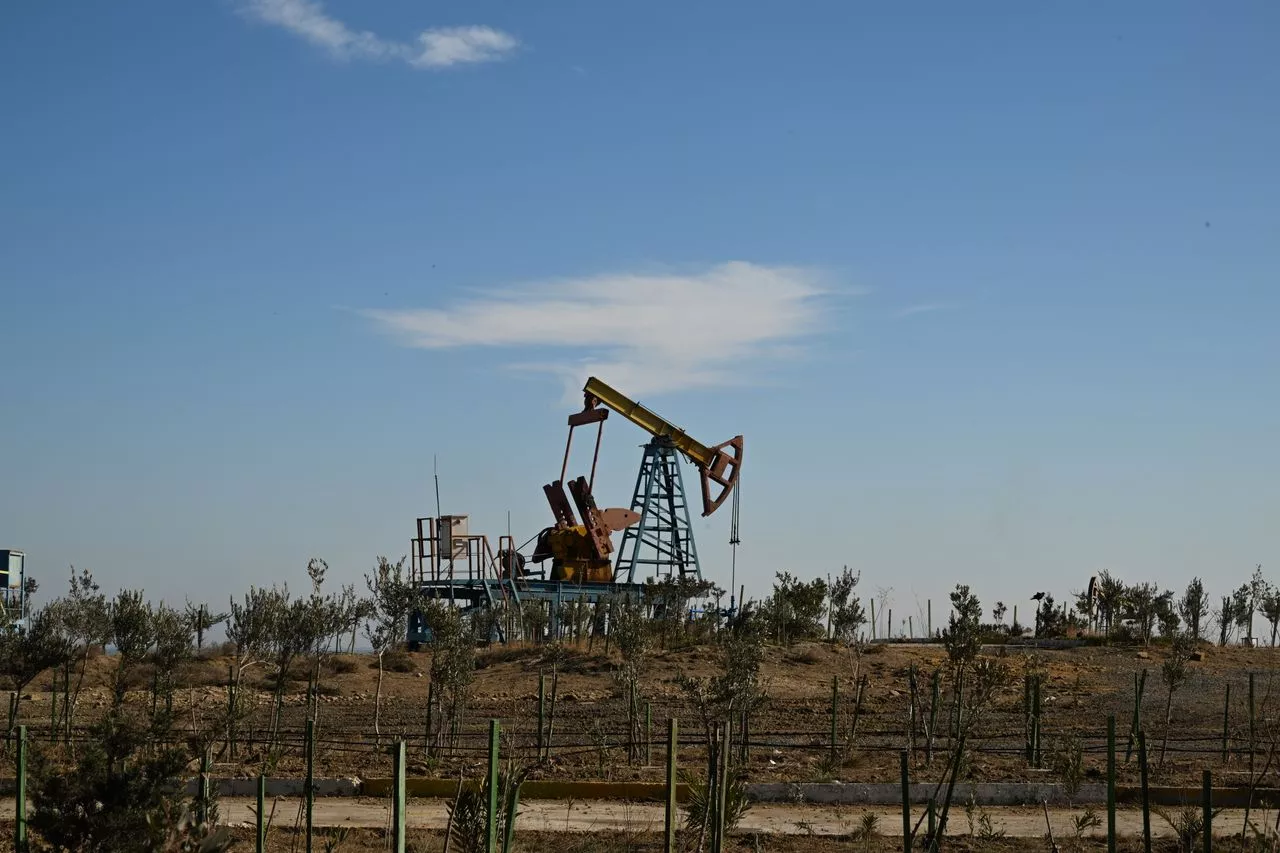
Under the terms of the deal, ConocoPhillips will acquire a 42% stake in BP ECKL, the entity that holds the Development and Production Contract (DPC) for the Kirkuk redevelopment initiative. The contract encompasses the Baba and Avanah domes of the giant Kirkuk field, along with three neighboring producing assets—Bai Hassan, Jambur and Khabbaz.
These fields collectively represent one of Iraq’s most significant hydrocarbon resource bases. According to the companies, the contract area contains an initial gross recoverable resource exceeding 3 billion barrels of oil equivalent. The redevelopment program aims to unlock additional production through field rehabilitation, modernization of infrastructure, reservoir management improvements and optimization initiatives.
For ConocoPhillips, the opportunity aligns closely with its strategy of investing in high-quality assets that can deliver attractive returns over extended periods while minimizing capital intensity.
Ryan Lance, chairman and chief executive officer of ConocoPhillips, highlighted the strategic value of the transaction, emphasizing that the redevelopment opportunity meets the company’s stringent investment criteria.
He noted that the project offers access to a substantial, long-life resource base while also presenting opportunities to create value through efficient redevelopment activities and potential exploration upside.
Capital-Efficient Growth Strategy
ConocoPhillips has increasingly focused on disciplined capital allocation, prioritizing projects capable of generating competitive returns across commodity price cycles. The company’s interest in the Kirkuk redevelopment reflects this approach, as the project leverages extensive existing production infrastructure rather than requiring the development of entirely new greenfield assets.
The presence of established production facilities and proven reservoirs significantly reduces development risk and capital requirements. By participating in the rehabilitation of mature producing fields, ConocoPhillips expects to benefit from incremental production gains while limiting upfront expenditures.
The company indicated that the joint venture is not expected to require substantial capital contributions following completion of the transaction. Instead, remuneration will be tied to a proportional share of incremental production and associated costs, creating an investment structure that aligns returns with operational performance.
This arrangement supports ConocoPhillips’ broader objective of maintaining financial flexibility while expanding its portfolio of high-margin international assets.
Revitalizing Historically Significant Fields
The Kirkuk region holds a unique place in the history of the global petroleum industry. The giant Kirkuk field was first discovered in the 1920s and quickly became one of the world’s largest and most productive oil assets. Over decades of production, however, aging infrastructure, reservoir challenges and geopolitical disruptions have constrained output levels.
The redevelopment initiative led by bp and its partners seeks to restore and enhance production through modern field management techniques and targeted investments.
The Baba and Avanah domes remain central components of the project due to their large remaining reserves and existing production capabilities. Meanwhile, the adjacent Bai Hassan, Jambur and Khabbaz fields provide additional opportunities for production growth and resource optimization.
The contract area also contains promising exploration potential, offering partners the possibility of identifying additional hydrocarbon resources beyond the currently recognized reserves.
For Iraq, the redevelopment program represents an important step toward maximizing the value of existing oil assets and strengthening the country’s long-term production capacity.
Strengthening Iraq’s Energy Sector
Iraq remains one of the world’s leading oil producers and possesses some of the largest proven petroleum reserves globally. The country continues to seek international investment and technical expertise to modernize its upstream sector and increase production efficiency.
The participation of major international energy companies such as bp and ConocoPhillips demonstrates continued confidence in Iraq’s resource potential and long-term role in global energy markets.
The Kirkuk redevelopment project is expected to support economic growth by increasing production, enhancing operational efficiency and generating additional revenues for the Iraqi government. The initiative could also contribute to job creation, infrastructure improvements and technology transfer within the country’s energy sector.
By partnering with Iraq and bp, ConocoPhillips will gain exposure to one of the world’s most resource-rich regions while supporting efforts to revitalize historically important oil assets.
Transaction Timeline and Structure
The transaction is expected to close by the end of 2026, subject to obtaining regulatory approvals and satisfying customary closing conditions. The effective date of the agreement has been set as July 1, 2026.
Upon completion, BP ECKL will be accounted for by ConocoPhillips as an equity affiliate rather than being fully consolidated within its financial statements. This structure allows the company to participate in the project’s upside while limiting direct capital commitments.
The deal further enhances ConocoPhillips’ international portfolio and reflects the company’s strategy of pursuing selective opportunities that offer long-term production growth and strong economic returns.
Long-Term Opportunities
Beyond the immediate production gains expected from rehabilitation efforts, the Kirkuk redevelopment project may provide additional opportunities through exploration and future expansion initiatives.
The extensive resource base, combined with the region’s established petroleum infrastructure, creates a foundation for sustained production growth over the coming decades. As global energy demand continues to evolve, long-life assets such as those in Kirkuk are expected to remain strategically important.
For ConocoPhillips, the acquisition represents another step in building a resilient and diversified portfolio capable of generating value across varying market conditions.
The partnership with bp and the Government of Iraq is expected to combine international technical expertise, operational experience and local resource potential to unlock additional value from one of the Middle East’s most significant oil-producing regions.
If completed as planned, the agreement could mark the beginning of a new phase for the Kirkuk fields, helping restore production levels, enhance operational efficiency and reinforce Iraq’s position as a major global energy supplier while providing ConocoPhillips with a meaningful long-term growth platform.
Source Link: https://www.conocophillips.com/