

Hawaiian Electric Launches Major Renewable Energy and Storage Procurement to Accelerate Hawaiʻi’s Clean Energy Transition
Hawaiian Electric Company, Inc., a subsidiary of Hawaiian Electric Industries, Inc. (NYSE: HE), has initiated one of the largest energy procurement efforts in its history, submitting its Integrated Grid Planning Request for Proposals (IGP RFP) aimed at significantly expanding renewable energy generation and energy storage capacity across Oʻahu, Hawaiʻi Island, and Maui.
The initiative represents a major milestone in Hawaiʻi’s long-term strategy to reduce dependence on imported oil, modernize its aging power generation infrastructure, and move closer toward the state’s ambitious target of achieving 100% renewable electricity generation by 2045.
The filing was submitted to the Hawaiʻi Public Utilities Commission (PUC) as part of the utility’s long-term planning process and is designed to secure competitively priced energy resources that can address growing electricity demand while improving reliability and lowering costs for consumers.
One of Hawaiʻi’s Largest-Ever Energy Solicitations
The new procurement process encompasses a broad portfolio of renewable and dispatchable resources intended to support the state’s evolving energy needs over the coming decade.
Under the proposal, Hawaiian Electric is seeking approximately:
- Nearly 1,650 gigawatt-hours (GWh) of variable renewable energy resources, including solar and wind generation;
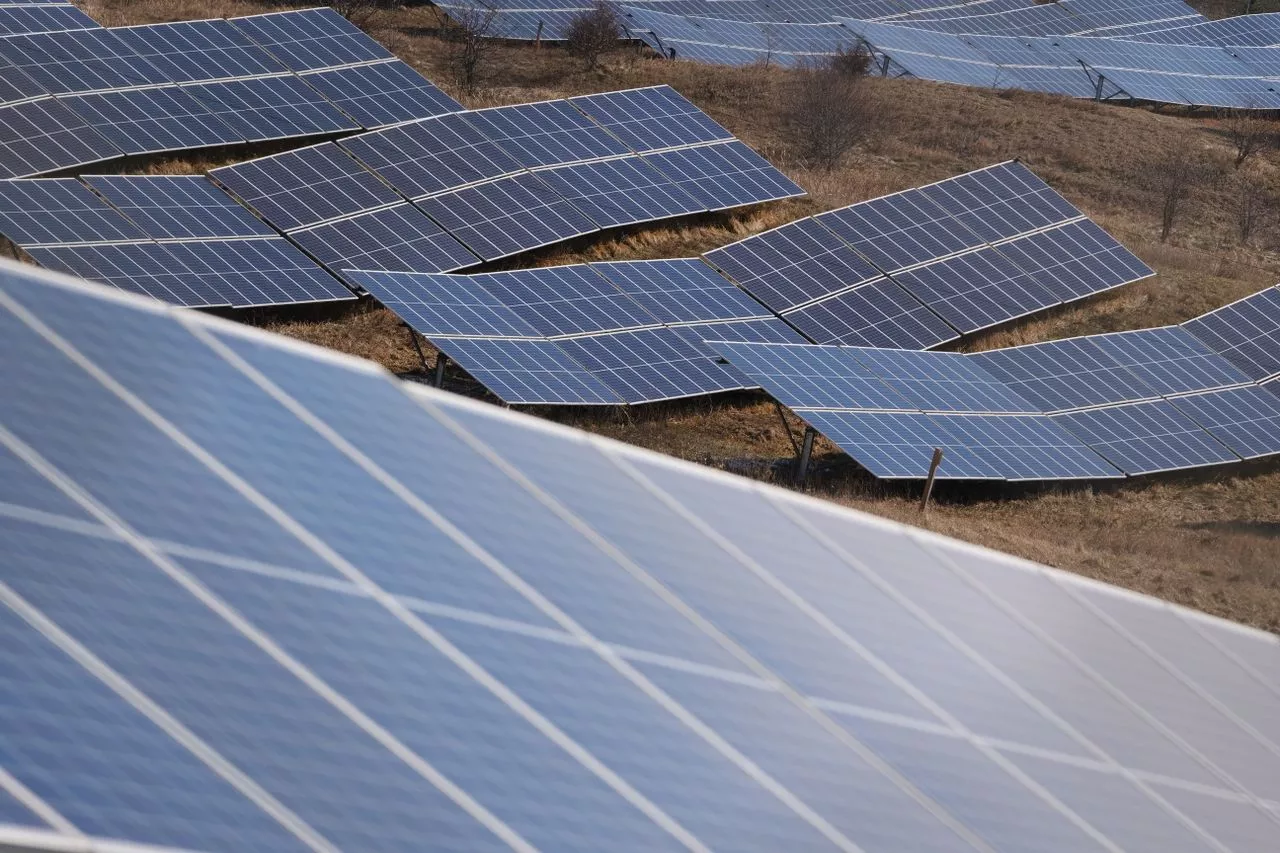
- Around 465 megawatts (MW) of grid-forming renewable resources, primarily consisting of solar facilities paired with battery energy storage systems;
- Approximately 111 MW of firm generating capacity, capable of delivering electricity continuously regardless of weather conditions.
The projects selected through the competitive bidding process are expected to begin commercial operations between 2031 and 2034.
Collectively, these investments would substantially increase renewable penetration across the Hawaiian Islands while supporting the retirement of older fossil fuel-based generating units.
Accelerating the Retirement of Aging Power Plants
Hawaiian Electric said one of the primary objectives of the procurement is to facilitate the earlier retirement of aging and less efficient power plants.
The utility plans to replace these facilities with modern generating assets capable of operating around the clock and complementing intermittent renewable sources such as solar and wind power.
While solar and wind resources continue to play a growing role in Hawaiʻi’s energy mix, utility officials emphasize that additional firm generation resources are required to ensure grid reliability during periods when renewable production declines.
The company believes that a balanced portfolio combining renewable energy, battery storage, and flexible generation technologies will provide the most cost-effective pathway toward a cleaner electricity system.
CEO Highlights Need for Faster Energy Transition
Scott Seu, President and Chief Executive Officer of Hawaiian Electric, emphasized the urgency of accelerating the state’s energy transition.
According to Seu, Hawaiʻi can no longer afford to delay investments in new energy infrastructure if it hopes to meet customer expectations for affordability, reliability, and environmental sustainability.
He noted that the company’s expedited procurement strategy is intended to stimulate competition among developers, evaluate a wide range of technologies, and rapidly deploy resources that can meet future electricity demand at the lowest possible cost.
Seu said Hawaiian Electric’s approach focuses on developing an efficient and diversified energy portfolio that delivers lower carbon emissions while also reducing long-term electricity costs for residents and businesses.
Four Immediate Action Steps
As part of its broader energy strategy, Hawaiian Electric outlined four immediate actions.
The first involves accelerating the retirement of aging generation facilities by adding modern, efficient firm generation resources.
The second action is the launch of the extensive competitive procurement process seeking renewable generation, battery storage, and firm capacity.
Third, Hawaiian Electric plans to seek separate regulatory approval for an additional procurement effort that could secure up to 500 MW of fuel-flexible firm generation resources on Oʻahu.
The utility submitted a letter to the PUC requesting a transparent and commission-supervised evaluation process for these resources, emphasizing that no specific technology or fuel source has been predetermined.
The fourth action includes launching an additional request for proposals by the end of 2026 that would evaluate all fuel options, including both liquid and gaseous fuels.
This future solicitation would examine factors such as pricing, fuel availability, sourcing strategies, environmental impacts, and long-term economic benefits.
Rising Electricity Demand Across Hawaiʻi
The utility noted that electricity demand in Hawaiʻi is increasing at its fastest rate in more than twenty years.
Oʻahu, which is home to nearly one million residents, accounts for more than 70% of all electricity consumption in the state.
Growing electrification of transportation systems, industrial operations, and commercial activities is expected to further increase power demand in the years ahead.
The rapid adoption of electric vehicles and emerging energy-intensive industries is creating additional pressure on the existing generation fleet, reinforcing the need for substantial investments in new infrastructure.
Hawaiian Electric believes the current procurement initiative is essential to ensuring that adequate generation resources are available to meet future requirements while maintaining system reliability.
Openness to Multiple Energy Solutions
Although renewable energy remains central to Hawaiʻi’s long-term strategy, Hawaiian Electric stressed that it remains open to considering a broad range of technologies and fuel options.
The company specifically indicated that liquefied natural gas (LNG) could potentially play a role in the state’s future energy mix if it proves beneficial for customers.
According to company leadership, any pathway involving LNG or other alternative fuels must undergo a transparent and rigorous evaluation through the Public Utilities Commission’s regulatory process.
The utility maintains that all potential solutions should be assessed objectively to determine whether they can provide economic and operational benefits while supporting Hawaiʻi’s clean energy objectives.
Potential LNG Projects Could Join Competitive Process
Interest in Hawaiʻi’s evolving power market has also attracted attention from international energy developers.
An affiliate of a major Japanese energy company recently announced plans to establish a separate regulated utility that would build and operate what could become the largest power plant on Oʻahu.
The proposed facility would initially use LNG as its primary fuel source, with additional energy investments potentially following in subsequent phases.
The energy company has informed regulators that it intends to seek approval for the project outside Hawaiʻi’s traditional competitive procurement framework.
However, Hawaiian Electric indicated that if regulators decide to broaden the scope of the upcoming procurement process, the proposed LNG project could potentially be evaluated alongside other competing resource proposals.
Commitment to Competitive Procurement
Hawaiian Electric reiterated its support for an open and transparent competitive bidding process.
Company executives believe that encouraging participation from a broad range of developers will help identify the optimal mix of energy resources for the islands.
According to the utility, evaluating multiple technologies and proposals through a competitive framework offers the best opportunity to secure reliable and affordable energy solutions while protecting customer interests.
The company emphasized that long-term infrastructure investments should be based on comprehensive analysis and market competition rather than relying on sole-source arrangements.
By maintaining an open procurement process, Hawaiian Electric hopes to ensure that Hawaiʻi receives the most cost-effective and resilient energy portfolio for decades to come.
Advancing Toward Hawaiʻi’s Clean Energy Future
The Integrated Grid Planning Request for Proposals represents a significant step in Hawaiʻi’s ongoing energy transformation.
If successfully implemented, the procurement could dramatically expand renewable generation and energy storage deployment across the islands, accelerate the retirement of oil-fired facilities, and strengthen grid reliability amid rising electricity demand.
As Hawaiʻi continues its journey toward achieving 100% renewable electricity by 2045, the outcome of this competitive procurement process will likely play a crucial role in shaping the state’s future energy landscape and determining how quickly it can transition to a cleaner, more sustainable, and economically resilient power system.
Source Link: https://www.businesswire.com/