

Phillips 66 Expands Permian and Gulf Coast Midstream Network with Zeus Gas Plant and New Coastal Bend Fractionator
Phillips 66 has announced plans to advance two major infrastructure developments that will significantly strengthen its integrated midstream operations across the Permian Basin and the Gulf Coast. The company will move forward with the construction of the Zeus Gas Plant and a third Coastal Bend Fractionator, projects designed to expand natural gas processing and natural gas liquids (NGL) fractionation capacity while enhancing connectivity across its wellhead-to-market network.
The projects represent another step in Phillips 66’s broader strategy to build an integrated value chain capable of efficiently transporting, processing, and delivering increasing hydrocarbon volumes from production regions to premium domestic and international markets. By investing in new infrastructure tied to rising Permian production, the company aims to improve operational flexibility, increase throughput capacity, and generate additional long-term value from its Midstream segment.
The Zeus Gas Plant will be located in the Permian Basin and is designed as a 300 million cubic feet per day (MMcf/d) gas processing facility. The plant will play a critical role in handling growing natural gas volumes associated with rising oil and gas production in the region. Alongside the processing facility, Phillips 66 will also develop the new Midland Express Pipeline, commonly referred to as MEX, which will serve as a key connection point between the company’s gathering and processing systems in the Permian.
The Midland Express Pipeline will span approximately 45 miles and feature a 20-inch diameter configuration. Once operational, the line will have the ability to transport up to 230 MMcf/d of wellhead gas. The project is also expected to introduce additional flexibility into Phillips 66’s existing network because the pipeline will be capable of supporting future bi-directional gas flows between multiple processing facilities.
The addition of bi-directional capability is increasingly important in modern midstream systems, particularly in high-growth producing regions such as the Permian Basin. Flexible pipeline infrastructure allows operators to optimize system utilization, redirect gas supplies during maintenance periods, respond to fluctuating market demand, and maximize operational reliability. By integrating gathering systems through the Midland Express Pipeline, Phillips 66 is positioning itself to better manage increasing production volumes while improving the efficiency of its processing operations.
The second project announced by the company is the construction of a third Coastal Bend Fractionator in Robstown, Texas. Previously referred to as the Corpus Christi Fractionator or BTT2, the new facility will add 100 thousand barrels per day (MBD) of NGL fractionation capacity along the Gulf Coast.
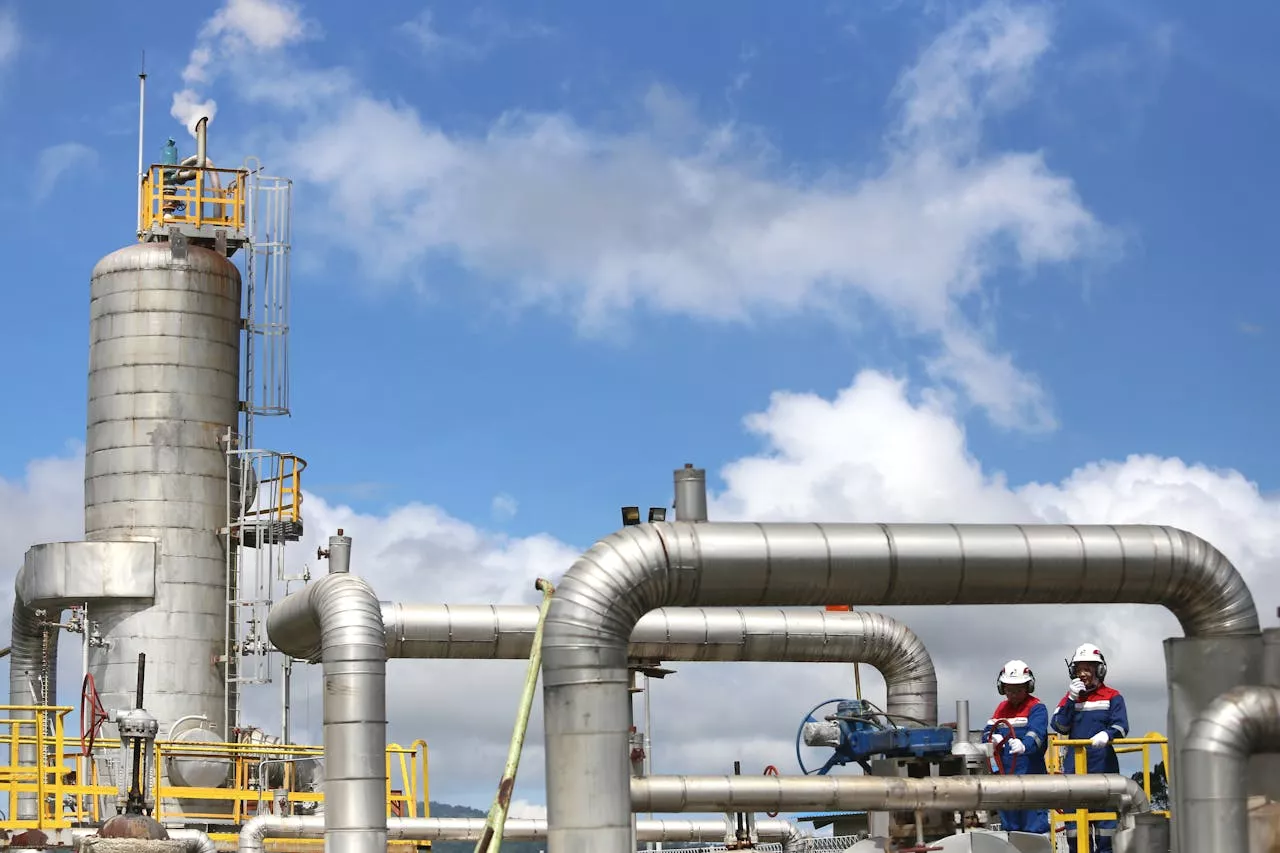
Fractionation facilities are critical components of the natural gas liquids value chain. These plants separate mixed NGL streams into individual purity products such as ethane, propane, normal butane, isobutane, and natural gasoline. These products are widely used across petrochemical manufacturing, industrial applications, heating markets, transportation fuels, and export markets. Growing production from the Permian Basin has increased the need for additional fractionation infrastructure along the Gulf Coast, where much of the region’s NGL output is processed and exported.
The third Coastal Bend Fractionator project will also include associated NGL purity pipeline expansions and water treatment infrastructure. These supporting systems are expected to enhance overall operational efficiency while supporting the larger processing network tied to the new fractionation facility.
Robstown, Texas, continues to emerge as a strategically important location for energy infrastructure development due to its proximity to the Corpus Christi export corridor and Gulf Coast industrial markets. By expanding its fractionation footprint in the Coastal Bend region, Phillips 66 is further strengthening its ability to connect Permian supply with domestic petrochemical demand centers and international export markets.
Both the Zeus Gas Plant and the third Coastal Bend Fractionator are expected to begin operations in 2028. Once online, the facilities will provide additional capacity needed to accommodate increasing volumes from producers operating on dedicated acreage connected to Phillips 66’s systems.
According to Don Baldridge, executive vice president of Midstream at Phillips 66, the projects are intended to reinforce the company’s integrated network strategy while supporting long-term customer demand.
Baldridge stated that the Zeus Gas Plant and the third Coastal Bend Fractionator will improve the company’s ability to move growing Permian volumes across a connected value chain extending from the wellhead to major market centers. He added that the projects will strengthen system connectivity, increase both processing and fractionation capacity, and enhance the company’s ability to deliver value to customers while capturing additional opportunities across its Midstream network.
The announcement reflects broader industry trends in the Permian Basin, which remains one of the fastest-growing oil and gas production regions in North America. Despite fluctuations in commodity prices over recent years, production growth in the basin has continued to drive demand for additional gathering, processing, transportation, and export infrastructure.
Industry analysts expect Permian production volumes to continue rising over the next several years as producers focus on high-return acreage and operational efficiencies. This growth is creating significant opportunities for midstream companies capable of providing integrated services across the hydrocarbon value chain. Companies with extensive gathering, processing, fractionation, storage, and export capabilities are increasingly positioned to benefit from higher throughput volumes and stronger customer demand.
Phillips 66’s latest investments are aligned with this market outlook. By expanding processing and fractionation infrastructure simultaneously, the company can support growing production volumes while maximizing value across multiple stages of the midstream chain. The integration of gathering systems, gas processing assets, NGL transportation networks, and Gulf Coast fractionation infrastructure creates operational synergies that can improve margins and strengthen long-term competitiveness.
The projects are also part of Phillips 66’s existing capital spending framework. The company confirmed that both developments fall within its previously announced annual capital spending range of between $2.0 billion and $2.5 billion. This indicates that the projects are being pursued without altering the company’s broader financial strategy.
At the same time, Phillips 66 reiterated its commitment to maintaining financial discipline and shareholder returns. The company continues to target a reduction in debt to approximately $17 billion by the end of 2027. In addition, Phillips 66 has maintained its commitment to returning more than 50% of net operating cash flow, excluding working capital, to shareholders through dividends and share repurchases.
The balance between infrastructure expansion and financial discipline has become increasingly important for energy companies as investors continue to prioritize capital efficiency, cash generation, and shareholder returns. Rather than pursuing aggressive spending growth, many companies are focusing on high-return projects that complement existing infrastructure and deliver long-term strategic value.
For Phillips 66, the Zeus Gas Plant and Coastal Bend Fractionator projects represent investments that directly support growing customer production volumes while leveraging the company’s established midstream footprint. The facilities are expected to improve the company’s ability to transport and process hydrocarbons efficiently from upstream production areas to downstream industrial and export markets.
The developments also reinforce the growing importance of the Gulf Coast as a global energy and petrochemical hub. With access to export terminals, refining centers, petrochemical complexes, and international shipping routes, the region continues to attract major infrastructure investment tied to rising U.S. oil, gas, and NGL production.
As Permian Basin output continues to expand, integrated midstream systems such as those being developed by Phillips 66 are expected to play an increasingly central role in connecting supply growth with global energy demand. Through the Zeus Gas Plant, the Midland Express Pipeline, and the third Coastal Bend Fractionator, Phillips 66 is positioning its Midstream business to support future production growth while strengthening its long-term operational and commercial capabilities.
Source Link: https://www.businesswire.com/