


Altus Power Expands Clean Energy Portfolio with Solar + Storage Acquisition at Croton-Harmon Station
Altus Power, a leading provider of commercial-scale clean electric power solutions, has announced the successful acquisition of a solar-plus-storage project located at the Croton-Harmon Train Station in Westchester County, New York. The project was acquired from Arevon, a well-established developer and operator of renewable energy assets across the United States. This transaction underscores Altus Power’s continued focus on strategic growth through the acquisition of high-quality distributed energy assets that combine renewable generation with advanced storage capabilities.
The newly acquired project is uniquely situated on a carport structure at the busy Croton-Harmon Train Station, a major commuter hub serving thousands of passengers daily. By utilizing existing infrastructure such as parking facilities, the project demonstrates an innovative approach to deploying renewable energy solutions in space-constrained, urban, and suburban environments. This type of dual-use infrastructure maximizes land efficiency while contributing to local clean energy goals, a key consideration in densely populated regions like Westchester County.
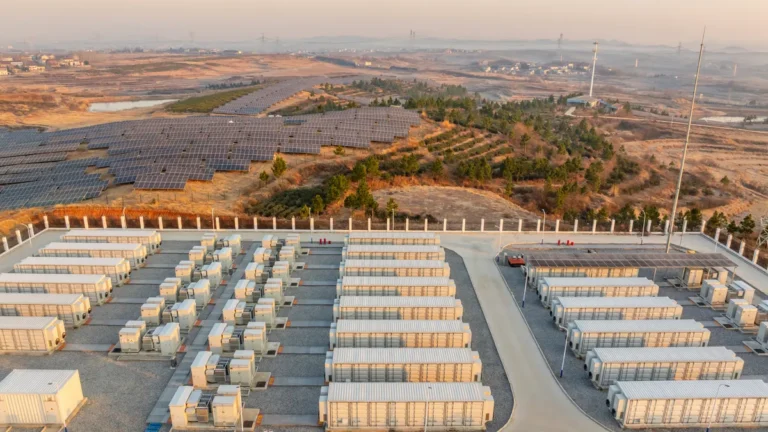
At the core of the project is approximately 4.2 megawatts (MW) of solar generation capacity, complemented by a 15 megawatt-hour (MWh) battery energy storage system. Together, these components form a hybrid energy system capable of not only generating renewable electricity but also storing excess energy for later use. This integration of solar power with battery storage is increasingly recognized as a critical solution for enhancing grid reliability, managing peak demand, and supporting the broader transition to a low-carbon energy system.
The project is designed to deliver clean, renewable power to a diverse group of end users. These include major institutional customers such as Columbia University, residential apartment buildings, and a local medical center. By serving a mix of commercial, residential, and institutional clients, the project highlights the versatility and scalability of distributed energy resources. It also reflects the growing demand among organizations and communities for sustainable energy solutions that can reduce costs, improve resilience, and meet environmental commitments.
Altus Power’s leadership emphasized the strategic importance of battery storage in today’s rapidly evolving energy landscape. Abhi Parmar, the company’s Chief Investment Officer, noted that energy storage plays a vital role in ensuring a stable, reliable, and cost-effective grid. As renewable energy penetration increases, the ability to store and dispatch electricity when it is needed most becomes essential. Battery systems help address the intermittency of solar generation by storing excess energy produced during peak sunlight hours and releasing it during periods of high demand or low generation.
The acquisition also demonstrates Altus Power’s ability to execute complex transactions that require both technical expertise and financial discipline. Projects that integrate solar generation with storage systems often involve additional layers of engineering, permitting, and financing complexity compared to standalone solar installations. Successfully closing such a deal highlights the company’s capability to navigate these challenges and deliver value for its stakeholders.
From Arevon’s perspective, the transaction reflects a successful collaboration between two experienced players in the renewable energy sector. Lydia Li, Director of Investment at Arevon, highlighted Altus Power’s reliability as a long-term owner and operator of distributed generation assets. She emphasized the company’s ability to provide execution certainty and its willingness to work through challenges during the transaction process. This level of collaboration is critical in advancing complex energy projects and sets a positive precedent for future partnerships between the two companies.
The Croton-Harmon project aligns closely with Altus Power’s broader strategy of expanding its portfolio with high-quality assets that integrate generation and storage. By focusing on distributed solar-plus-storage systems, the company is positioning itself to capture opportunities in markets where grid constraints, policy incentives, and customer demand are driving the adoption of localized energy solutions. These systems not only provide environmental benefits but also enhance energy resilience by reducing reliance on centralized power infrastructure.
New York, in particular, represents a key market for Altus Power’s growth ambitions. The state has established ambitious clean energy targets, including goals for renewable energy generation, energy storage deployment, and greenhouse gas emissions reductions. Policies such as the Climate Leadership and Community Protection Act (CLCPA) have created a favorable environment for investment in clean energy infrastructure. By expanding its footprint in New York, Altus Power is aligning its business strategy with state-level policy priorities and contributing to the region’s transition to a more sustainable energy system.
With the addition of the Croton-Harmon project, Altus Power continues to strengthen its presence across the Empire State. The company now owns and operates more than 80 projects in New York, with a combined capacity of approximately 266 MW. This growing portfolio reflects a sustained commitment to investing in the state’s clean energy future. To date, Altus Power has deployed hundreds of millions of dollars in capital across New York, supporting the development of renewable energy infrastructure and creating economic value for local communities.
Beyond its immediate impact on energy generation, the project also contributes to broader societal benefits. By delivering clean electricity to institutions like Columbia University and local healthcare facilities, the project supports organizations that play vital roles in education, research, and public health. Additionally, the integration of renewable energy into residential settings helps reduce energy costs for tenants and promotes greater access to sustainable power solutions.
The use of solar carports at transit hubs like the Croton-Harmon Train Station also enhances the visibility of renewable energy technologies. Commuters and visitors are able to see firsthand how solar panels can be integrated into everyday infrastructure, helping to raise awareness and acceptance of clean energy solutions. This visibility can play an important role in driving further adoption and encouraging similar projects in other locations.
Source Link: https://www.businesswire.com/