

Westinghouse Invests $1 Billion in South Carolina Nuclear Fuel Factory
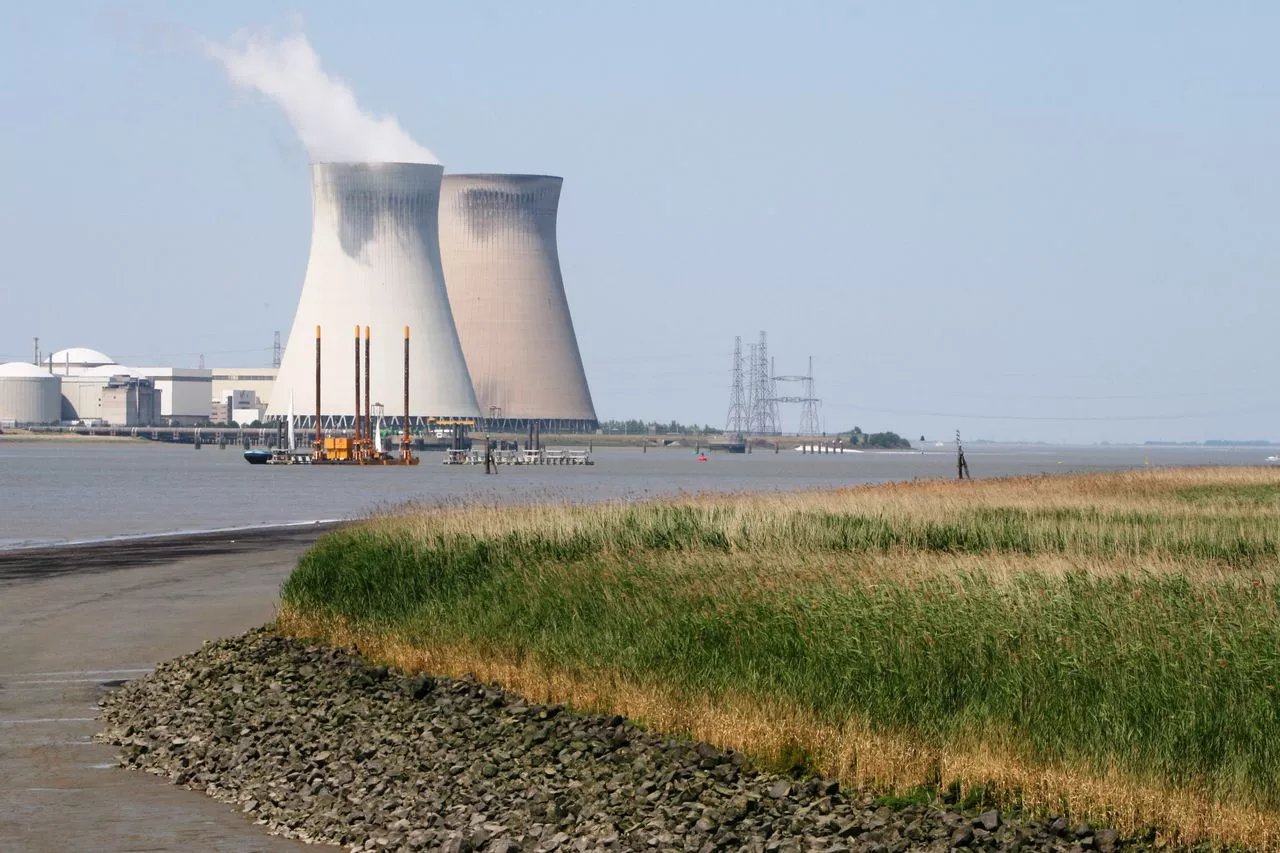
Westinghouse Electric Company has announced an investment of approximately $1 billion to build an advanced nuclear fuel manufacturing facility at its Columbia Fuel Fabrication Facility in Hopkins, South Carolina. The project is expected to establish one of the most advanced nuclear fuel factories in the United States and become the country’s first fleet-scale nuclear fuel manufacturing plant built in more than 50 years.
The new facility will focus on producing Low Enriched Uranium Plus (LEU+) fuel, an advanced nuclear fuel designed to support the long-term operation of existing nuclear power plants and facilitate the expansion of nuclear electricity generation. Construction is already underway, with commercial operations expected to begin in 2030.
The investment represents a significant development for the domestic nuclear energy supply chain as the United States seeks to strengthen its energy security, increase nuclear generating capacity and meet rising demand for reliable, low-carbon baseload electricity. The expansion will also support the deployment of Westinghouse’s AP1000® reactor technology worldwide.
Expanding Advanced Nuclear Fuel Manufacturing
The Columbia LEU+ fuel factory is expected to increase the availability of advanced nuclear fuel for commercial power plant operators. LEU+ fuel contains uranium enriched to levels between 5% and 8%, providing additional operational flexibility compared with conventional low-enriched uranium fuel.
The higher enrichment level can allow nuclear power plants to extend their operating cycles and improve fuel utilization. These capabilities could help operators reduce operating costs, improve plant performance and deliver greater value to electricity customers.
LEU+ fuel is also expected to support reactor uprates, which increase the electricity-generating capacity of existing nuclear power plants. In alignment with the United States’ UPRISE program, the technology could help unlock additional nuclear generation from the country’s existing reactor fleet without requiring every increase in electricity supply to come from entirely new generating facilities.
The development builds on a major industry milestone achieved in 2025, when LEU+ fuel was successfully deployed for the first time in the United States. Westinghouse’s new manufacturing facility is intended to expand production beyond initial deployments and establish the industrial-scale capabilities needed to make the fuel available to a broader range of nuclear power plant operators.
By increasing domestic manufacturing capacity, the company aims to strengthen the supply chain for advanced nuclear fuel while supporting the modernization and continued operation of the existing nuclear fleet.
South Carolina Strengthens Its Nuclear Energy Position
South Carolina officials welcomed the investment, highlighting the state’s established nuclear industry, skilled workforce and contribution to the country’s energy infrastructure.
Governor Henry McMaster said South Carolina was already playing a leading role in the nation’s nuclear energy expansion. He noted that Westinghouse’s existing fuel operations in Richland County produce nuclear fuel that supports approximately 10% of the United States’ nuclear power supply.
McMaster welcomed the company’s decision to expand its manufacturing operations in the state, emphasizing the importance of developing next-generation nuclear fuel products to sustain nuclear energy production in the coming decades.
Congressman James E. Clyburn also highlighted the economic and industrial benefits of expanding domestic nuclear fuel production. He said the investment demonstrates the value of South Carolina’s skilled workforce and supports the country’s broader clean energy objectives.
According to Clyburn, increased domestic manufacturing capabilities will create economic opportunities, support well-paying jobs and strengthen South Carolina’s position in the national energy sector.
The project is expected to reinforce the state’s role in the nuclear supply chain while creating additional opportunities for local businesses, workers and supporting industries.
Federal Support for Domestic Nuclear Fuel Production
The investment also aligns with federal efforts to rebuild and expand the United States’ uranium enrichment and nuclear fuel manufacturing capabilities.
Ted Garrish, Assistant Secretary for Nuclear Energy, emphasized that a secure domestic supply of nuclear fuel is essential to maintaining a strong American nuclear industry.
The U.S. Department of Energy is investing billions of dollars to restore domestic uranium enrichment capabilities for both low-enriched uranium and high-assay low-enriched uranium. These efforts are intended to strengthen the fuel supply chain and reduce vulnerabilities associated with dependence on external sources.
Westinghouse’s approximately $1 billion investment will complement these initiatives by expanding the manufacturing capacity required to convert enriched uranium into finished fuel for commercial nuclear reactors.
The additional capacity will support existing power plants while helping prepare the industry for the next generation of nuclear technologies. Federal support, including the Department of Energy’s tax credit program, has also contributed to advancing the project.
Westinghouse President and Chief Executive Officer Dan Sumner said the company has spent 90 years contributing to nuclear industry development and continues to invest in technologies that can improve the performance and economics of nuclear power generation.
He described the Columbia facility as Westinghouse’s largest single manufacturing investment supporting the operating nuclear fleet. The expansion is expected to create additional value for customers, enable increased nuclear electricity production and generate new economic opportunities in South Carolina.
Sumner also acknowledged the support of the Department of Energy, state officials and Richland County authorities in helping advance the project.
Economic Benefits for Richland County
Beyond its implications for nuclear fuel production, the project is expected to deliver substantial economic benefits across South Carolina.
According to an economic impact study commissioned by Westinghouse in partnership with researchers at the University of South Carolina’s Darla Moore School of Business, the investment is projected to generate approximately $4.9 billion in positive economic impact across the state over the next 10 years.
Richland County is expected to account for approximately $3.8 billion of that projected impact. Economic activity will arise from construction, equipment purchases, additional employment, workforce development and expanded career opportunities.
The project is also expected to support local businesses and contribute to the region’s long-term economic stability.
Richland County Council Chairwoman and Columbia Area Development Partnership Co-Chair Jesica Mackey welcomed the expansion, noting that the county had spent years preparing for investments of this scale.
Mackey said the project would strengthen the local economic base while supporting schools, infrastructure and employment opportunities. She also emphasized that the expansion would build on generations of experience among workers supporting the existing Columbia facility.
The investment is expected to create opportunities for workers with diverse educational backgrounds and technical skills, helping sustain a specialized workforce for the nuclear energy industry.
Building on an Established Nuclear Manufacturing Facility
Established in 1968, Westinghouse’s Columbia Fuel Fabrication Facility is one of the world’s largest nuclear fuel manufacturing plants. Its operations include the production of fuel pellets, fuel rods, fuel assemblies and other fuel components used by Westinghouse facilities and customers worldwide.
The existing facility employs more than 1,200 people in Lower Richland, making it an important source of skilled employment and industrial activity in the region.
The new LEU+ fuel factory will build on this established manufacturing infrastructure and workforce. Its development is expected to expand the site’s capabilities while supporting the evolving requirements of nuclear power plant operators.
As construction advances, Westinghouse has also committed to responsible site development and environmental stewardship. The company intends to preserve native landscapes that provide wildlife habitat and contribute to maintaining healthy air and water resources.
Supporting the Future of Nuclear Power
Westinghouse’s investment comes as utilities and energy companies look for reliable electricity sources capable of meeting growing power demand. Nuclear energy is expected to remain an important component of electricity systems seeking dependable, low-carbon generation.
By expanding domestic LEU+ fuel production, Westinghouse aims to improve fuel availability, support the long-term operation of existing reactors and help operators increase generating capacity through advanced fuel technologies.
The project also reinforces the importance of a secure nuclear fuel supply chain in supporting energy security and future reactor deployment.
With construction underway and operations targeted for 2030, the Columbia LEU+ fuel factory represents a major manufacturing expansion for Westinghouse and the broader U.S. nuclear industry. Its projected economic contribution, workforce opportunities and advanced production capabilities are expected to strengthen South Carolina’s position in nuclear fuel manufacturing while supporting the country’s long-term electricity requirements.
Source Link: https://www.businesswire.com/