


EIB and Eni Sign €500M Loan to Convert Sannazzaro Refinery into Biorefinery
European Investment Bank (EIB) and Eni have signed a €500 million, 15-year loan agreement to support the conversion of part of the Sannazzaro de’ Burgondi refinery in the Italian province of Pavia into a modern biorefinery. The agreement was formalized by EIB Vice-President Gelsomina Vigliotti and Eni Chief Executive Officer Claudio Descalzi, marking another significant step in Europe’s push to expand renewable fuel production and accelerate the decarbonization of the transport sector.
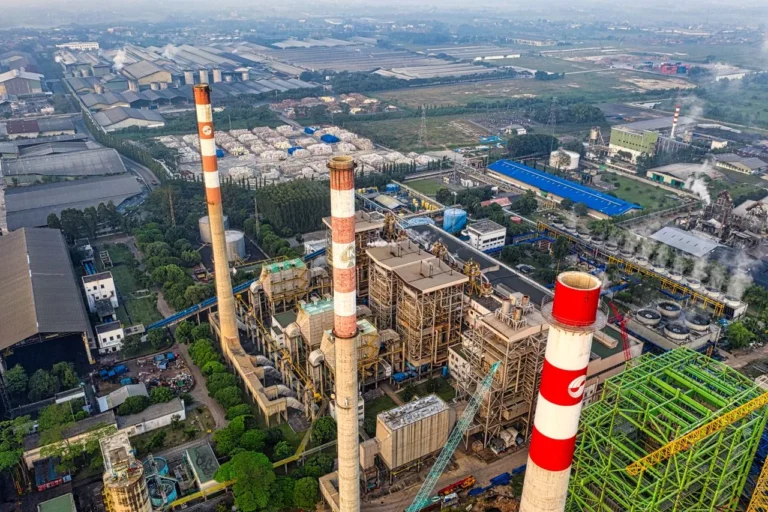
The investment will finance the transformation of selected units within the Sannazzaro refinery, one of Eni’s major refining facilities in Italy. Central to the project is the conversion of the Hydrocracker (HDC2) unit through the use of Ecofining™ technology, a proprietary refining process developed to produce renewable fuels. In addition, the project includes the construction of a pre-treatment plant designed to process waste-based feedstocks such as used cooking oil, animal fats, and residues from the agri-food industry.
These materials form the primary feedstock used by Enilive, Eni’s company dedicated to promoting more sustainable mobility solutions. Through advanced refining processes, Enilive converts these waste resources into hydrotreated vegetable oil (HVO) biofuels—an advanced renewable diesel that can be used in conventional engines without major modifications.
Ecofining technology plays a critical role in this process. By using renewable and waste-based feedstocks, it enables the production of **high-quality biofuels that comply with the requirements of the European Union’s Renewable Energy Directive. HVO biofuel can be used either as a drop-in replacement for conventional diesel or blended with fossil diesel, making it one of the most practical solutions currently available for reducing emissions in existing vehicle fleets.
Across Europe, Enilive has already begun distributing HVO at scale. The company currently offers pure HVO biofuel at more than 1,600 service stations, allowing road transport operators and motorists to adopt lower-carbon fuel alternatives immediately without changes to vehicles or infrastructure.
Under the Sannazzaro conversion project, the upgraded facility is expected to begin producing renewable fuels in 2028. Once operational, the plant will manufacture HVO diesel biofuel as well as sustainable aviation fuel (SAF)—a key component in the decarbonization of the aviation sector. The facility will have an annual production capacity of approximately 550,000 tonnes, strengthening Europe’s supply of advanced biofuels.
The addition of SAF production is particularly significant. Aviation remains one of the hardest sectors to decarbonize due to limited alternatives to liquid fuels for long-distance flights. At present, SAF represents the only viable large-scale solution for significantly reducing aviation emissions while maintaining existing aircraft and infrastructure. By integrating SAF production into the Sannazzaro facility, the project will contribute directly to lowering the carbon footprint of air travel.
The development will also leverage existing refinery utilities and infrastructure, allowing Eni to integrate renewable fuel production alongside conventional fuel manufacturing. This hybrid model enables a gradual and efficient transformation of existing energy assets while supporting the broader transition to cleaner fuels.
Beyond environmental benefits, the initiative is expected to strengthen European energy security by expanding domestic production of renewable fuels. Increasing biofuel output within Europe reduces dependence on imported fossil fuels while diversifying the region’s energy mix. The project also supports the objectives of REPowerEU, the European strategy aimed at accelerating the energy transition and improving resilience following recent global energy disruptions.
The Sannazzaro financing follows another major agreement between EIB and Eni. In July 2025, the two organizations signed a separate €500 million loan to support the conversion of Eni’s refinery in Livorno into a biorefinery. Together, the two projects represent a combined €1 billion investment in expanding Italy’s renewable fuel production capacity.
These developments are part of Enilive’s broader long-term strategy to significantly increase biofuel production. The company aims to reach 5 million tonnes of annual biofuel production capacity by 2030, including more than 2 million tonnes dedicated to sustainable aviation fuel.
Currently, Enilive produces biofuels at its biorefineries in Venice and Gela, both of which were converted from traditional oil refineries. In addition, the company operates the St. Bernard Renewables biorefinery in Louisiana, a joint venture facility in which Enilive holds a 50 percent ownership stake.
Enilive’s global expansion in renewable fuels will continue over the coming years. A third Italian biorefinery in Livorno is scheduled to come online in 2026, while two additional biorefineries currently under construction in Malaysia and South Korea will further expand the company’s international footprint.
Another major project is planned for Priolo, where a fourth Italian biorefinery will be developed in partnership with Q8. That facility is expected to begin operations around 2028, adding further capacity to meet rising demand for renewable fuels.
According to EIB Vice-President Gelsomina Vigliotti, the financing highlights the bank’s commitment to supporting projects that combine environmental sustainability with industrial development. She noted that expanding the production of advanced fuels is essential for reducing emissions in sectors such as aviation and road transport while promoting the circular use of resources through waste-based feedstocks.
Eni CEO Claudio Descalzi emphasized that the agreement reflects the company’s broader strategy to build strong industrial businesses that support the energy transition. By combining technological innovation, large-scale industrial capabilities, and a growing customer base, Eni aims to deliver practical solutions that reduce environmental impact while maintaining energy reliability.
Descalzi also noted that biorefining and biofuels play a central role in the decarbonization of transport, offering solutions that are already compatible with existing infrastructure and demand. Eni is currently the second-largest producer of biofuels in Europe, and the company continues to expand its network of biorefineries to meet rising demand across multiple transport sectors.
The importance of sustainable aviation fuel is expected to increase significantly in the coming decade. Under the ReFuelEU Aviation Regulation, airlines operating within the European Union will be required to progressively blend SAF into conventional jet fuel. These mandates are expected to drive rapid growth in demand for renewable aviation fuels beginning around 2030.
In addition to aviation, HVO biofuels provide immediate emissions reductions across the entire transport sector, including road, maritime, rail, and air transport. Because HVO can be used in existing engines without significant modifications, it offers a practical pathway for reducing emissions during the transition toward fully zero-emission transport technologies.
The conversion of the Sannazzaro refinery is therefore closely aligned with both European climate policy and national energy strategies. It supports the emissions-reduction goals outlined in the latest Renewable Energy Directive (RED III) while helping meet Italian regulations governing the commercialization of pure biofuels.
Global demand for biofuels is expected to rise steadily in the coming decades. According to projections in the World Energy Outlook 2025 published by the International Energy Agency, biofuels accounted for about 4 percent of global transport energy consumption in 2024. That share is projected to increase to 9 percent by 2035 and potentially 12 percent by 2050 under the agency’s Net Zero scenario.
By supporting the transformation of the Sannazzaro refinery into a biorefinery, the partnership between the European Investment Bank and Eni contributes to this broader shift toward cleaner transport fuels. The project not only advances Europe’s climate goals but also strengthens the region’s renewable energy infrastructure, ensuring that sustainable fuel supply can keep pace with the rapidly growing demand for lower-carbon mobility solutions.
Source Link: https://www.eni.com/