

Neoenergia Launches Brazil’s First Commercial Green Hydrogen Bus to Advance Sustainable Mobility
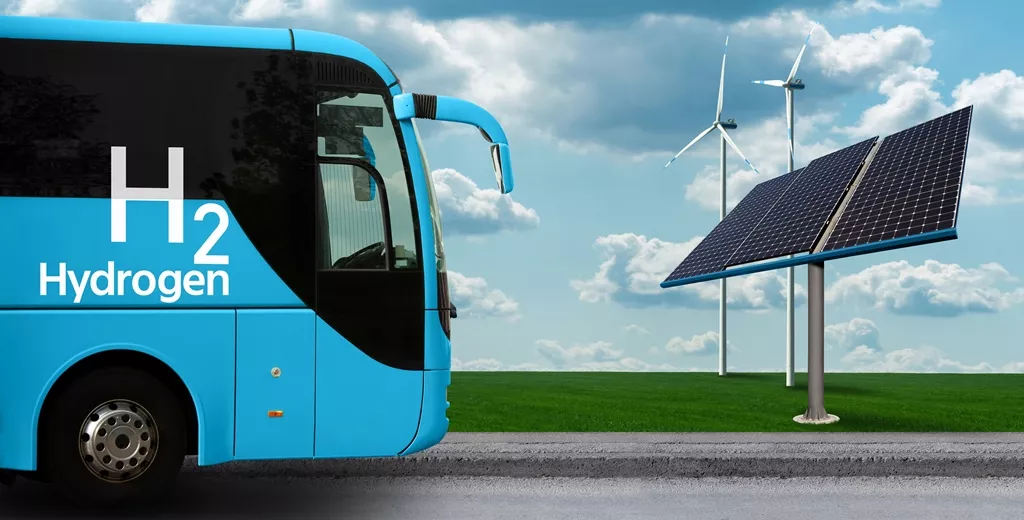
Neoenergia, the Brazilian subsidiary of Iberdrola, has taken a major step toward decarbonising the transport sector by launching the country’s first commercial bus powered entirely by green hydrogen. The vehicle will operate on the well-known Monumental Route tourist line in Brasília, bringing a new form of clean mobility to the capital of Brazil.
The initiative represents a pioneering moment for sustainable transportation in the country and highlights how innovative energy solutions can help transform public transit systems. Developed through a partnership between Neoenergia, the Government of the Federal District, and the technology company TEVX, the project introduces hydrogen-powered mobility to Brazil’s urban landscape for the first time in a commercial application.
A Landmark for Clean Transportation
The introduction of the hydrogen-powered bus marks a milestone in the adoption of zero-emission technologies within Brazil’s public transport network. Unlike traditional diesel buses, the new vehicle runs on hydrogen fuel cells that generate electricity through a chemical reaction between hydrogen and oxygen. The only by-product of this process is water vapor, making the vehicle completely free of carbon emissions during operation.
By integrating this advanced technology into the Monumental Route tourist service in Brasília, Neoenergia aims to demonstrate that hydrogen mobility can be both practical and reliable in real-world conditions. The route is widely used by visitors and residents who travel through some of the capital’s most iconic landmarks, making it an ideal showcase for cutting-edge sustainable transport.
For Neoenergia and its parent company Iberdrola, the project is part of a broader strategy to accelerate decarbonisation across multiple sectors of the economy. While renewable electricity has already made significant progress in reducing emissions in power generation, transportation remains one of the most challenging sectors to decarbonise. Hydrogen technology is increasingly viewed as a promising solution for this challenge, particularly in heavy-duty vehicles and public transport fleets.
Green Hydrogen Production in Taguatinga
Central to the success of the project is the availability of green hydrogen fuel. The hydrogen used by the bus is produced at Brazil’s first green hydrogen refuelling station, developed by Neoenergia in the city of Taguatinga, which is part of the Federal District surrounding Brasília.
This facility represents a critical piece of infrastructure for the hydrogen mobility ecosystem. It uses renewable electricity to power an electrolysis process that splits water into hydrogen and oxygen molecules. Because the electricity used in the process comes from renewable sources such as wind or solar power, the hydrogen produced is classified as “green hydrogen.”
Green hydrogen differs from conventional hydrogen, which is often produced using fossil fuels and can result in significant carbon emissions. By relying entirely on renewable electricity, Neoenergia’s hydrogen production ensures that the entire energy cycle—from fuel generation to vehicle operation—remains clean and sustainable.
The Taguatinga station also demonstrates how hydrogen infrastructure can support the broader deployment of hydrogen-powered vehicles in the future. As demand grows, similar refuelling facilities could be built in other cities, enabling fleets of buses, trucks, and other heavy vehicles to operate using the same zero-emission technology.
Supporting the Energy Transition
The development of the hydrogen bus project aligns with Brazil’s broader efforts to accelerate the transition toward a low-carbon economy. The country already benefits from a relatively clean electricity mix dominated by renewable sources such as hydropower, wind, and solar energy. However, achieving climate goals will require expanding clean energy solutions beyond the power sector and into transportation, industry, and other energy-intensive activities.
Green hydrogen is increasingly seen as a key component of this transition. Because hydrogen can store energy and be used as a fuel without producing emissions at the point of use, it offers a flexible way to integrate renewable power into sectors that are difficult to electrify directly.
Projects like the one led by Neoenergia illustrate how hydrogen can complement existing renewable energy infrastructure. By producing hydrogen using renewable electricity, companies can create new energy carriers that support clean mobility while also helping to balance power grids and make better use of renewable resources.
Collaboration with Government and Industry
A defining feature of the project is the collaboration between private companies and public authorities. The Federal District Government played a key role in enabling the initiative by supporting the deployment of hydrogen technology within Brasília’s transportation system.
This partnership highlights the importance of cooperation when introducing emerging energy technologies. Government support can help create the regulatory frameworks, infrastructure investments, and public awareness needed to bring innovative solutions from pilot projects to full-scale deployment.
At the same time, collaboration with TEVX ensured the integration of advanced hydrogen fuel cell systems into the bus itself. The company’s expertise in hydrogen mobility technologies helped translate the concept of a hydrogen-powered bus into a functional vehicle capable of operating reliably on an urban transport route.
Together, these partnerships demonstrate how industry, technology developers, and government institutions can work together to accelerate the adoption of sustainable transportation solutions.
Demonstrating the Potential of Hydrogen Mobility
Although the hydrogen bus will initially operate as part of a pilot project, it represents a broader vision for the future of urban mobility. Public transportation systems around the world are increasingly exploring alternatives to diesel vehicles as cities seek to improve air quality and reduce greenhouse gas emissions.
Hydrogen fuel cell buses offer several advantages in this context. They can travel long distances, refuel quickly, and carry large numbers of passengers, making them well suited for intensive transit routes. Unlike battery-electric buses, which may require extended charging times, hydrogen buses can be refuelled in a process similar to conventional vehicles, allowing for continuous operation throughout the day.
By demonstrating the feasibility of hydrogen mobility in a real operating environment, Neoenergia’s project provides valuable insights that could guide the expansion of hydrogen transport systems across Brazil and potentially throughout Latin America.
A Vision for Sustainable Cities
The launch of the green hydrogen bus also underscores the role that energy companies can play in shaping the future of sustainable cities. As urban populations continue to grow, cities face increasing pressure to reduce emissions, improve air quality, and modernize transportation infrastructure.
Clean mobility solutions such as hydrogen buses can contribute to these goals by offering environmentally friendly alternatives to fossil-fuel-based transport. At the same time, they help create new economic opportunities in emerging sectors such as hydrogen production, fuel cell technology, and renewable energy integration.
For Neoenergia and Iberdrola, the Brasília hydrogen bus initiative represents more than a single transportation project—it is part of a broader strategy to promote innovation, sustainability, and energy transformation.
A Step Toward a Hydrogen Future
While still in its early stages, Brazil’s first commercial green hydrogen bus signals the beginning of a new chapter in the country’s energy and transportation sectors. As more cities explore hydrogen technology and infrastructure continues to expand, the potential for hydrogen-powered mobility could grow rapidly in the coming years.
The project illustrates how renewable energy, technological innovation, and strategic partnerships can work together to create practical solutions for reducing emissions and advancing sustainable development.
By introducing green hydrogen mobility to Brasília, Neoenergia has taken an important step toward demonstrating how clean energy can power the next generation of transportation—bringing Brazil closer to a future where mobility, energy, and environmental responsibility move forward together.
Source Link: https://www.iberdrola.com/