


Iberdrola Repowers Wind Farms in Albacete, Spain
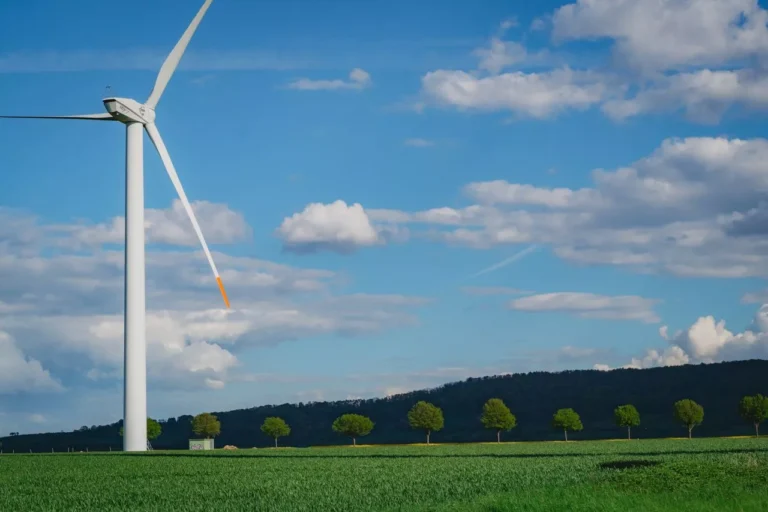
Iberdrola España, the Spanish subsidiary of Iberdrola Group, is advancing electrification and renewable energy generation through the repowering of its Isabela and Molar del Molinar wind farms in Albacete, Spain. The project represents a major modernization of the company’s wind energy infrastructure, replacing older turbines with more advanced technology designed to improve efficiency, increase renewable electricity production and reduce the environmental footprint of wind installations.
The repowering initiative is among Iberdrola’s flagship wind modernization projects in Spain, reflecting the company’s strategy to optimize existing renewable energy assets and maximize the potential of established wind farm locations. By deploying next-generation wind turbines, Iberdrola aims to generate more electricity from available wind resources while reducing the number of turbines required across the sites.
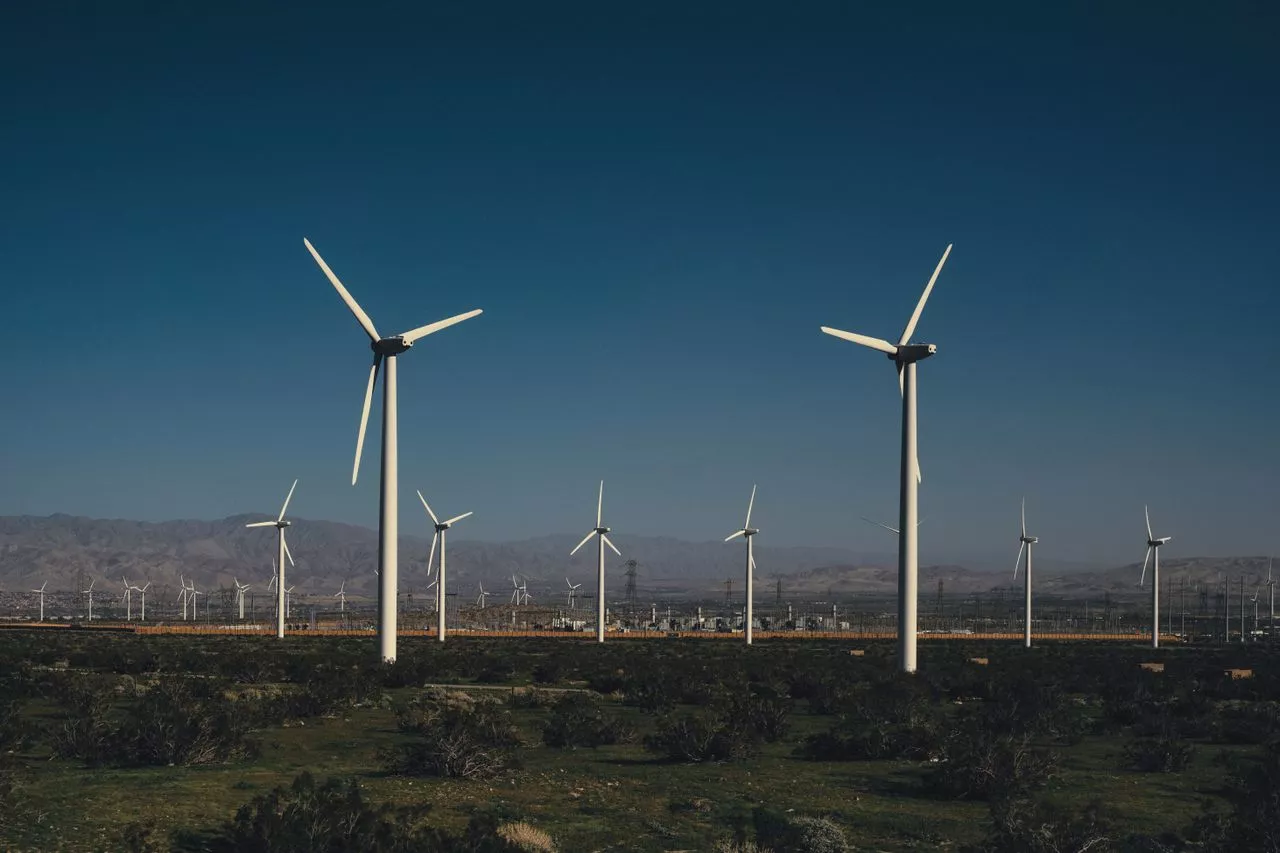
The modernization involves replacing 139 existing wind turbines with 22 latest-generation units. This significant reduction in turbine numbers is expected to improve operational performance while maintaining the facilities’ contribution to renewable electricity generation. The new turbines feature more advanced technology, offering greater power capacity and improved efficiency compared with the equipment they replace.
According to the company, the repowering project is expected to increase renewable electricity production by approximately 30%. The improvement will allow the wind farms to generate more power from the same locations, demonstrating how upgrading existing renewable infrastructure can support electricity supply without requiring an equivalent expansion in the number of installations.
Repowering is increasingly becoming an important component of Spain’s renewable energy development strategy. As wind farms installed during earlier stages of the country’s energy transition approach the end of their original operational cycles, replacing older equipment with more efficient turbines provides opportunities to improve output, optimize land use and enhance the performance of existing projects.
The Isabela and Molar del Molinar modernization also aims to reduce the visual and landscape impact of the wind farms. Replacing 139 turbines with 22 larger, technologically advanced units will significantly reduce the number of structures across the project areas. This approach can help improve the integration of wind energy facilities into surrounding landscapes while maintaining or increasing their electricity generation capacity.
Together, the two wind farms have an installed capacity of 97.5 megawatts (MW). Their renewable electricity production is equivalent to the annual consumption of more than 55,500 households, supporting the supply of clean electricity to residential consumers and contributing to Spain’s broader electrification objectives.
The project’s capacity and expected production improvements reinforce the role of wind power in reducing dependence on fossil-fuel-based electricity generation. Wind energy remains a key component of Iberdrola’s renewable energy portfolio, and investments in repowering allow the company to improve the performance of existing assets while supporting the expansion of low-carbon electricity supplies.
Beyond electricity generation, the project incorporates circular economy principles into the modernization of renewable energy infrastructure. The dismantling and replacement of older turbines involve the recovery, treatment and management of materials from equipment that has reached the stage of technological renewal.
The process has involved 417 wind turbine blades and more than 800 tonnes of treated materials. Iberdrola is seeking to promote the recovery and reuse of these materials while minimizing waste associated with the decommissioning of older wind turbines.
Managing wind turbine components at the end of their operational life has become an increasingly important issue for the renewable energy industry. Turbine blades, in particular, contain composite materials that require specialized treatment and recovery processes. Incorporating material recovery into repowering projects can help reduce waste generation and improve resource efficiency across the renewable energy value chain.
The work illustrates the value of coordination between developers, manufacturers, contractors and waste-management specialists. This helps ensure turbine replacement, commissioning and handling of retired components are managed as part of an integrated modernization program for renewable energy.
The Isabela and Molar del Molinar project demonstrates how wind farm renewal can combine higher generation potential, fewer installations and material recovery. With 22 new turbines replacing 139 older units, a projected 30% increase in renewable output and a combined installed capacity of 97.5 MW, the modernization is expected to continue supplying electricity equivalent to the needs of more than 55,500 homes.
Iberdrola España’s initiative reflects a broader industry focus on improving the performance of renewable assets already in operation. Through repowering, the company is advancing wind energy technology, reducing landscape impact, incorporating circular economy practices and supporting economic activity in rural communities, while contributing to the continued electrification of Spain and its transition toward a lower-carbon energy system.
Source Link: https://www.iberdrola.com/