

Stem’s PowerTrack EMS Enables Hybridization of Two Utility-Scale Solar Plants in Hungary
Stem, Inc. (NYSE: STEM), a global provider of AI-enabled clean energy software and services, has announced that Solarmarkt Group, working with engineering, procurement, and construction (EPC) partner Pannonwatt Energetikai Megoldások Zrt. (Pannonwatt), has selected Stem’s PowerTrack™ Energy Management System (EMS) to support the hybridization of two operating utility-scale solar power plants in Hungary.
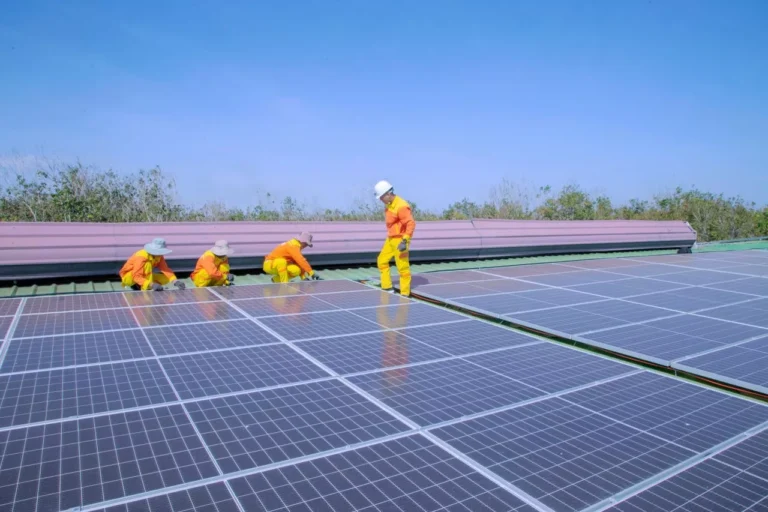
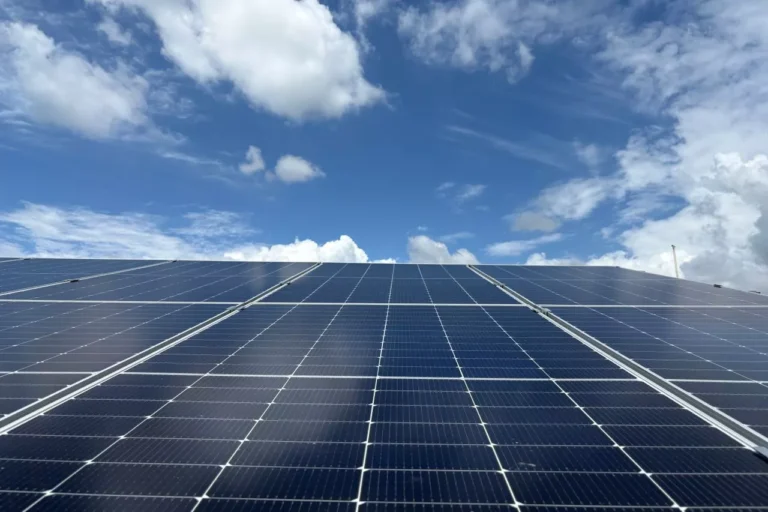
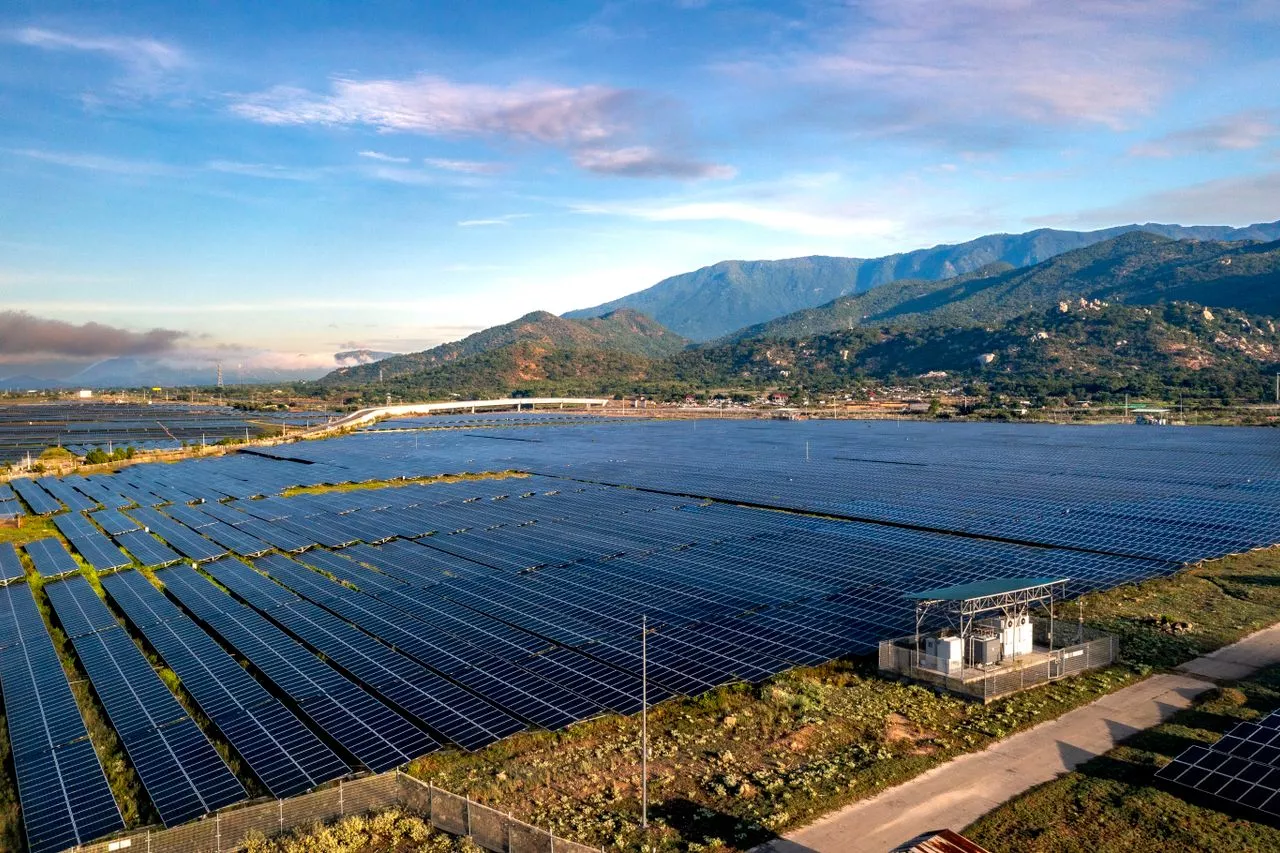
The projects are expected to create a major integrated renewable energy platform in Central and Eastern Europe by combining existing solar generation with large-scale battery energy storage and advanced digital controls. The two facilities, located in Szihalom and Hódmezővásárhely, each currently have 60 MWp of solar capacity. Under the new development, each site will receive a 40 MW / 80 MWh battery energy storage system (BESS).
Once the upgrades are completed, both facilities will operate as fully integrated hybrid renewable energy assets. Commercial operation of the hybridized plants is expected by September 2026.
The agreement builds on an existing relationship between Stem and Solarmarkt Group. Stem previously provided power plant controller (PPC) capabilities for the two solar facilities during 2025 and 2026. Those systems were deployed using a hybrid-ready PowerTrack architecture, allowing the technology foundation to be expanded as the plants evolved to incorporate energy storage.
Under the new five-year agreement, Stem will extend the same software and controls infrastructure to the newly installed battery systems. This approach is designed to allow solar generation, battery storage, grid interconnection, and electricity-market dispatch to be managed through one integrated digital platform.
Integrating Solar and Battery Storage
The addition of batteries is expected to significantly increase the operational flexibility of the two solar facilities. Solar plants typically produce electricity according to weather and daylight conditions, while battery storage can shift electricity delivery to periods when power is more valuable or when the grid requires additional flexibility.
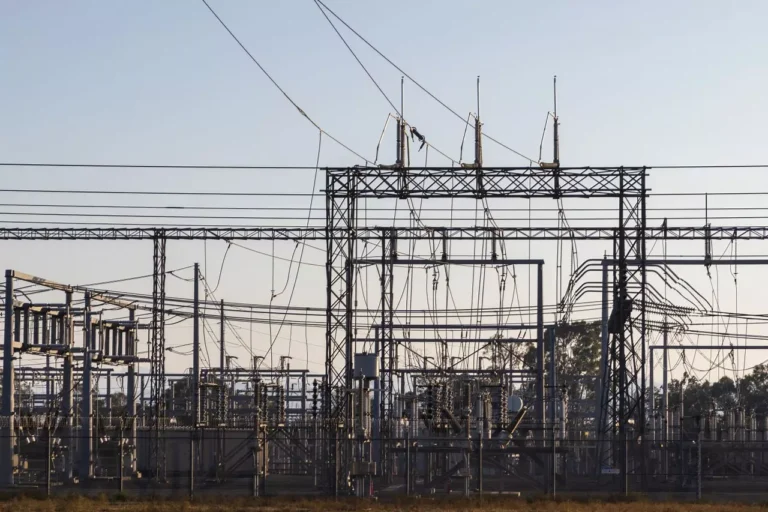
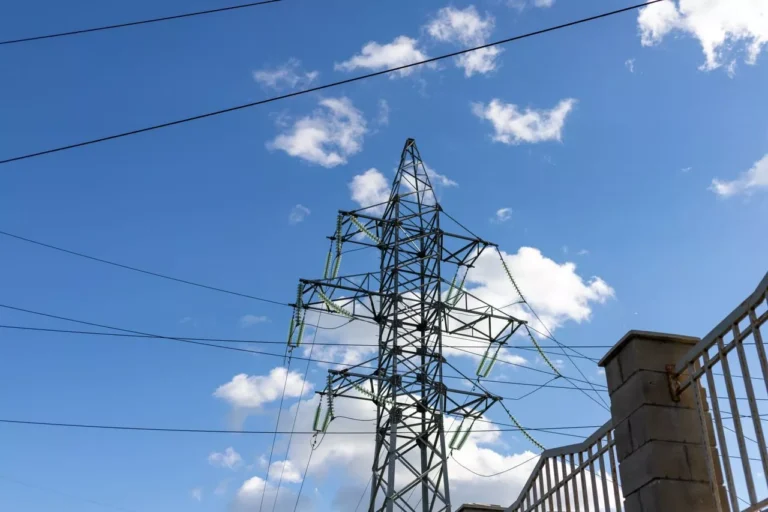
PowerTrack EMS will serve as a central platform for coordinating these resources. At each site, the system will manage solar generation, battery dispatch, grid constraints, and market instructions while supporting compliance with requirements established by E.ON’s distribution system.
The initial commercial strategy for the hybrid facilities will focus on Hungary’s automatic Frequency Restoration Reserve (aFRR) market. Participation in ancillary-services markets can provide battery assets with additional revenue opportunities while helping electricity-system operators maintain the balance between supply and demand.
The PowerTrack platform is also designed to support potential participation in Frequency Containment Reserve (FCR) services and other value-stacking opportunities in the future. As electricity markets across Central and Eastern Europe become increasingly interconnected, the ability to combine multiple revenue streams could become increasingly important for large-scale renewable assets.
Stem President of Software Matt Tappin said the project demonstrates how operating solar plants can be transformed into hybrid renewable assets without requiring the replacement of the existing controls foundation.
According to Stem, the hybrid-ready architecture of PowerTrack allows the company to expand its software and controls across the battery systems while preserving the existing operational framework. This can provide asset owners with a more streamlined approach to adding storage while maintaining visibility into both technical performance and commercial results.
Supporting Solarmarkt Group’s Green Cloud Platform
The two projects are also expected to strengthen the renewable energy infrastructure supporting Solarmarkt Group’s Green Cloud Platform. The platform is designed to connect renewable generation with corporate energy consumers and support decarbonization objectives through physical green-energy solutions that can be traced and audited.
By combining solar generation with battery storage, the facilities can potentially deliver renewable electricity with greater flexibility and controllability. Storage allows electricity generated during periods of strong solar production to be retained and dispatched later, potentially improving the utilization and economic value of the renewable assets.
The hybrid configuration may also help the projects respond more effectively to changing grid conditions. Rather than operating solar generation and battery storage as separate assets, the integrated approach enables them to function as a coordinated power plant.
For Solarmarkt Group, the ability to monitor the technical and financial performance of both technologies through a unified platform is an important part of the project.
Miklos Mormer, Chief Technology Officer at Solarmarkt Group, said the company wants to establish a platform that can continuously evaluate and improve the technical and commercial performance of its renewable assets. PowerTrack EMS is expected to provide visibility into the operation and economics of both solar and battery systems while enabling them to function as coordinated hybrid facilities.
The company also expects the platform to provide flexibility as Hungary’s ancillary-services market develops and new opportunities emerge.
Role of Pannonwatt
Pannonwatt is serving as EPC partner for the hybridization projects and will contribute localized engineering and grid-integration expertise. The company’s involvement is particularly relevant because the integration of large-scale batteries into operating renewable power plants requires coordination between existing solar equipment, new storage infrastructure, grid connections, control systems, and market requirements.
Pannonwatt CEO Róbert Vőneki said the combination of the company’s grid-integration capabilities with Stem’s utility-scale energy software is intended to reduce execution risks while establishing a technical model for adapting existing solar assets to evolving grid requirements.
The project illustrates how established renewable plants can be upgraded rather than replaced as power systems increasingly require flexibility. Existing solar facilities already provide significant renewable generation capacity, but adding storage and intelligent controls can broaden their capabilities and create additional pathways for participation in electricity and ancillary-services markets.
A Growing Role for Hybrid Renewable Assets
The Hungarian projects reflect a broader trend across European energy markets. As renewable generation expands, grid operators increasingly require resources that can respond quickly to changes in electricity supply and demand. Battery storage is becoming an important technology for providing this flexibility.
For owners of existing solar plants, hybridization can offer a way to improve the value and operational performance of assets that are already connected to the grid. Batteries can store surplus electricity during periods of high solar production and release energy when conditions are more favorable, while advanced energy-management systems can coordinate these activities with grid requirements and market signals.
The Szihalom and Hódmezővásárhely projects combine these capabilities under a single digital control framework. With 60 MWp of solar generation and 40 MW / 80 MWh of battery storage at each location, the two facilities will collectively add 80 MW of battery power and 160 MWh of storage capacity to Solarmarkt Group’s operating portfolio.
The five-year PowerTrack agreement is intended to provide a foundation for operating these assets as integrated renewable power plants while allowing their commercial strategies to evolve.
As Central and Eastern European electricity markets continue to develop, the ability to combine renewable generation, energy storage, advanced controls, and multiple grid-service opportunities could become increasingly valuable. The partnership between Stem, Solarmarkt Group, and Pannonwatt demonstrates how existing utility-scale solar facilities can be adapted to meet those changing requirements.
With commercial operation of the fully hybridized assets targeted for September 2026, the projects are positioned to demonstrate how solar-plus-storage facilities can support both renewable energy deployment and the growing need for flexible grid resources in Hungary and the wider European energy market.
Source Link: https://www.businesswire.com/