

Leap Expands California Battery Revenue Opportunities Through ELRP
Leap, a leading platform for building and scaling virtual power plants (VPPs), has expanded its California offering to help battery storage providers generate additional revenue through the state’s Emergency Load Reduction Program (ELRP). The new ELRP A.4 offering is designed to unlock more value from behind-the-meter battery systems by compensating eligible customers for exporting stored electricity to the grid during periods when power system reliability is under pressure.
The offering is now available to eligible customers within the Pacific Gas and Electric Company (PG&E) service territory. By opening a pathway for battery exports to participate in the ELRP framework, Leap aims to address a long-standing limitation in California’s grid reliability programs, where battery systems have not always been able to receive compensation for sending stored power back to the grid.
The development comes as California continues to experience rising electricity demand, increasingly challenging peak-load conditions and periods of extreme summer heat. Battery storage is becoming an important resource for managing these challenges because systems installed at homes and businesses can store electricity when it is available and discharge it when the grid needs additional capacity.
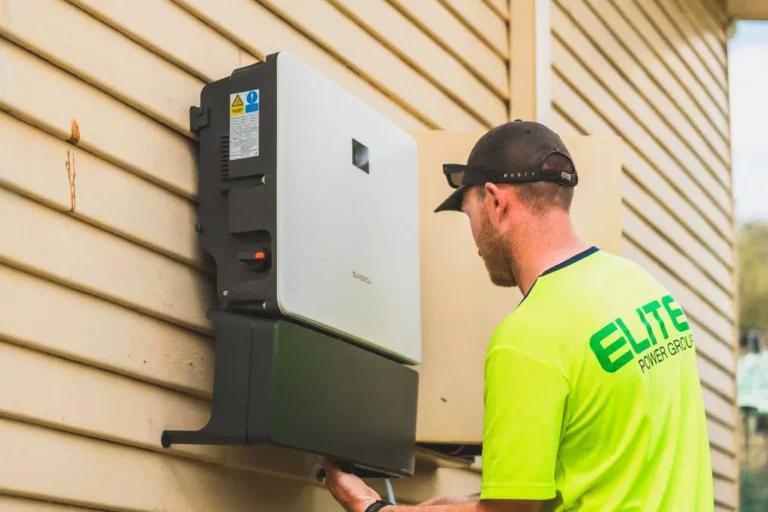
Under Leap’s expanded ELRP A.4 offering, participating battery storage systems can provide this flexibility while creating a new source of revenue for their owners and providers. The approach is intended to make better use of battery capacity that is already deployed across California rather than relying exclusively on new centralized generation or transmission infrastructure to address peak demand.
For battery storage providers, the opportunity is particularly significant because distributed batteries can collectively operate as a virtual power plant. Instead of functioning as isolated systems, thousands of individual batteries can be coordinated through software to respond to grid conditions. When demand rises or the grid faces reliability constraints, these systems can discharge electricity according to program requirements, effectively creating an aggregated source of flexible capacity.
Leap’s ELRP A.4 program is also designed to address another major challenge facing demand response initiatives: customer enrollment. Traditional demand response programs frequently depend on customers actively opting in and completing multiple steps before their equipment can participate. This process can create friction for both customers and energy providers and has historically contributed to relatively low participation rates.
According to Leap, conventional opt-in approaches can result in participation rates in the single digits. Customers may need to navigate utility authorization procedures, understand program requirements and complete enrollment processes before their battery systems can become available for grid services. These administrative requirements can prevent otherwise eligible distributed energy resources from participating.
ELRP A.4 takes a different approach by allowing eligible providers to directly enroll their battery storage customer portfolios. Customers are informed that their systems are participating and maintain the ability to opt out through a straightforward process. By simplifying enrollment, Leap expects providers to be able to activate a larger share of their eligible battery fleets.
The company believes this model can help increase participation while reducing the administrative burden associated with traditional demand response enrollment. For battery providers managing large portfolios, the ability to enroll eligible customers more efficiently could make it easier to aggregate sufficient capacity to participate in grid reliability programs.
Trevor McManamon, Vice President of Markets at Leap, said California needs flexible capacity to support grid reliability and that programs should make greater use of the capabilities offered by behind-the-meter storage.
McManamon emphasized that Leap has been working to unlock additional value from battery storage and that the ability to compensate battery exports represents an important step toward expanding the role of distributed energy resources in California’s power system.
The ELRP A.4 offering arrives at a time when the state is increasingly looking to flexible energy resources to manage periods of high electricity consumption. California has made significant investments in solar generation and battery storage, resulting in a rapidly expanding fleet of distributed and utility-scale energy storage assets.
While batteries can help absorb excess renewable generation during periods of high production, their ability to discharge electricity during periods of peak demand can be equally important. This capability is particularly valuable during hot summer afternoons and evenings, when air-conditioning demand can increase substantially and solar generation begins to decline.
Behind-the-meter batteries can provide flexibility close to where electricity is consumed. When coordinated through a VPP platform, these systems can respond collectively to grid signals and help reduce pressure on the broader electricity system. Such resources can complement utility-scale batteries, demand response programs, renewable generation and other grid flexibility technologies.
Leap’s expanded ELRP offering also illustrates the growing importance of software platforms in the distributed energy sector. As the number of batteries, electric vehicles, solar installations and other distributed energy resources increases, utilities and grid operators need effective ways to coordinate these assets.
VPP platforms provide the digital infrastructure required to aggregate distributed resources and manage them as a coordinated portfolio. By connecting eligible batteries to market and grid programs, platforms such as Leap can help transform individual customer energy assets into a larger flexible resource.
The company expects the new ELRP A.4 pathway to provide battery storage providers with an additional monetization opportunity while supporting California’s reliability objectives. Rather than allowing flexible battery capacity to remain unused during critical grid periods, the program creates an avenue for providers to participate and potentially earn compensation when their systems deliver energy services.
California’s grid reliability landscape continues to evolve as regulators, utilities and energy companies seek new ways to manage changing electricity consumption patterns. The growth of renewable generation has increased the need for flexible resources capable of responding quickly to fluctuations in supply and demand.
At the same time, extreme weather events and rising peak electricity consumption have increased the importance of maintaining adequate capacity during periods of system stress. Distributed batteries can help address these challenges because they are capable of responding quickly and can be distributed across many locations.
Leap’s ELRP A.4 offering therefore represents more than an additional revenue stream for battery providers. It is also part of a broader shift toward using distributed energy resources as active components of the power grid. By combining direct enrollment, battery export compensation and VPP technology, the company aims to make it easier for existing storage assets to participate in California’s evolving energy markets.
For battery storage owners and providers in the PG&E service territory, the program could create an opportunity to extract additional economic value from equipment that is already installed. For the grid, greater participation could provide access to a larger pool of flexible capacity during critical periods.
As California continues expanding renewable energy and battery deployment, programs that connect distributed storage with grid reliability needs are likely to become increasingly important. Leap’s ELRP A.4 offering seeks to capitalize on this trend by bringing more behind-the-meter batteries into the state’s demand response ecosystem.
The initiative ultimately reflects a broader industry objective: making distributed energy resources more accessible, economically viable and useful to the grid. With electricity demand continuing to grow and extreme summer conditions creating additional reliability challenges, unlocking the flexibility of existing battery systems could become an increasingly important part of California’s strategy for maintaining a resilient power system.
Source Link: https://www.businesswire.com/