

Splight’s AI Technology Increases Chile’s Transmission Capacity by 60% Without New Lines
Splight, a grid infrastructure technology company, has announced that its Dynamic Congestion Manager (DCM) is operational on Chile’s National Electric System (SEN). The deployment introduces the country’s first artificial intelligence-based automatic transfer control scheme, increasing usable transmission capacity by 60% across two key transmission corridors without requiring the construction of new power lines.
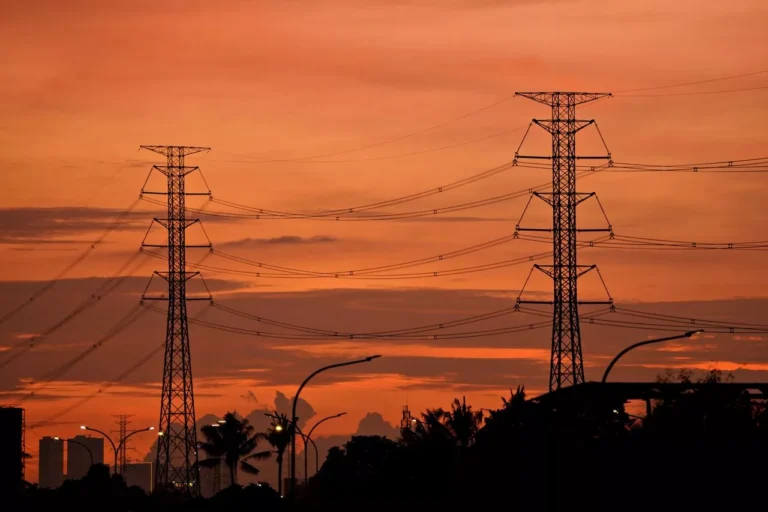
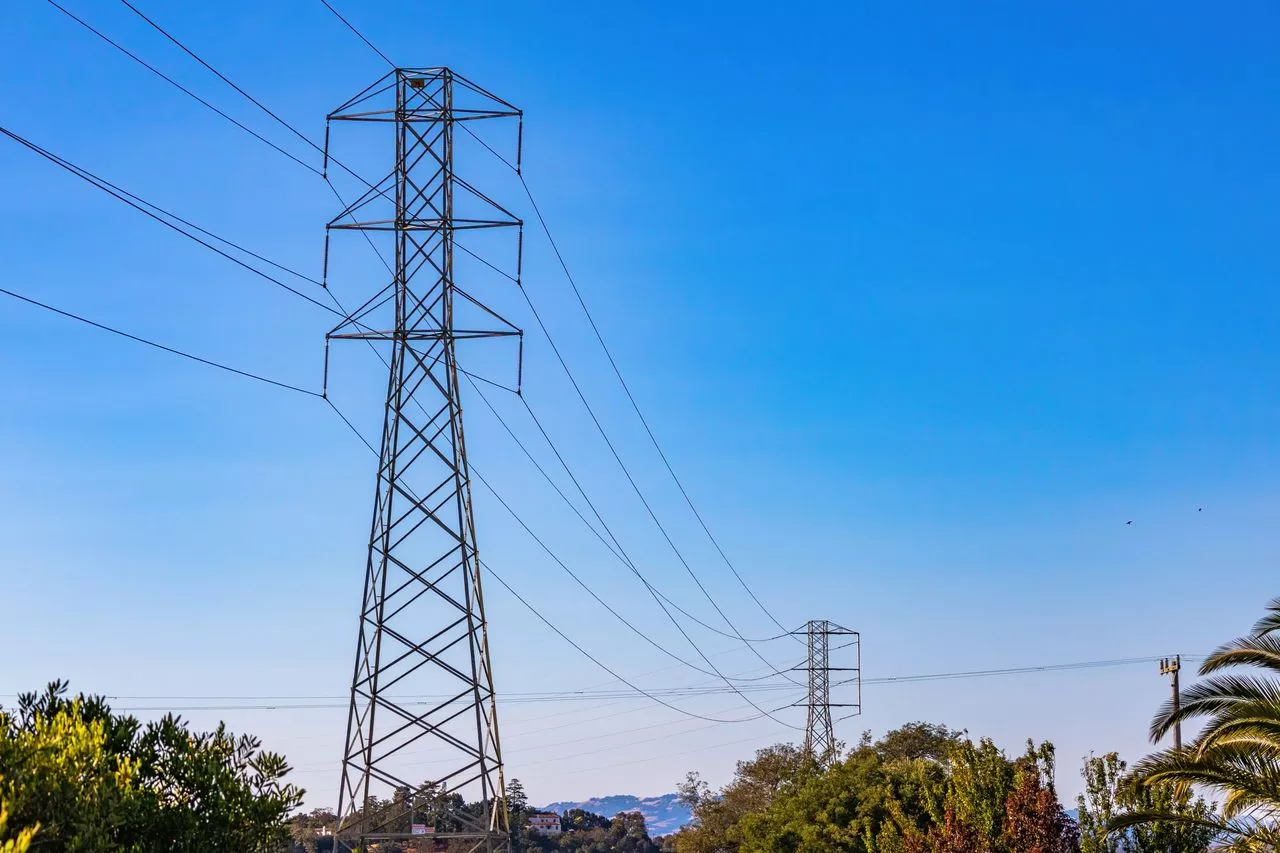
The system is operating on the Mulchén–Santa Clara and Santa Clara–Charrúa 2×220 kV transmission corridors, which span Chile’s Biobío and La Araucanía regions. By continuously assessing actual grid conditions, the technology enables operators to make better use of existing infrastructure while maintaining established reliability standards.
The project addresses a significant challenge facing Chile’s renewable energy sector. Wind farms in the country’s southern regions generate substantial amounts of clean electricity, but transmission constraints frequently prevent all available power from reaching consumers. Traditional transmission limits are generally calculated using conservative, static operating assumptions. Although these limits are designed to protect grid reliability, they can leave significant transmission capacity unused when actual conditions allow the system to carry more electricity safely.
Splight’s DCM is designed to address this gap by dynamically evaluating the grid’s available capacity and adjusting operating limits according to real-time conditions.
AI Technology Unlocks Additional Renewable Energy
The deployment continuously assesses 878 megawatts (MW) of generation capacity across seven wind farms operated by ACCIONA Energía, Enel Green Power and WPD in southern Chile. The facilities include San Gabriel, Tolpán Sur, Renaico I and II, La Cabaña, and Malleco Norte and Sur. Several of these wind farms rank among the largest in the country.
By improving the use of existing transmission corridors, DCM is expected to enable approximately 41,000 megawatt-hours (MWh) of additional renewable electricity generation annually. This amount is equivalent to the yearly electricity consumption of approximately 20,000 Chilean households.
ACCIONA Energía estimates that the project could deliver as much as 239 gigawatt-hours (GWh) of additional clean electricity over the study period. Greater access to transmission capacity could also help reduce energy costs for consumers by allowing more renewable generation to reach the electricity system and potentially reducing reliance on more expensive fossil-fuel generation.
Chile has experienced growing renewable energy curtailment as wind and solar capacity has expanded faster than some transmission infrastructure. In 2025, transmission constraints forced the country to curtail more than 6,000 GWh of renewable electricity, an increase of 8% compared with the previous year. The amount of energy lost was equivalent to the annual electricity consumption of approximately 2.5 million homes in the region.
Building new transmission lines can take a decade or longer, depending on permitting, planning, construction and other project requirements. Splight’s technology offers an alternative approach by recovering additional capacity from infrastructure already in service, with deployment possible within months.
Maintaining Reliability While Expanding Capacity
DCM functions as a real-time grid reliability layer, replacing static operating assumptions with continuous assessments of actual network conditions. Its purpose is to help transmission corridors operate closer to their available capacity while preserving the reliability requirements established for the electricity system.
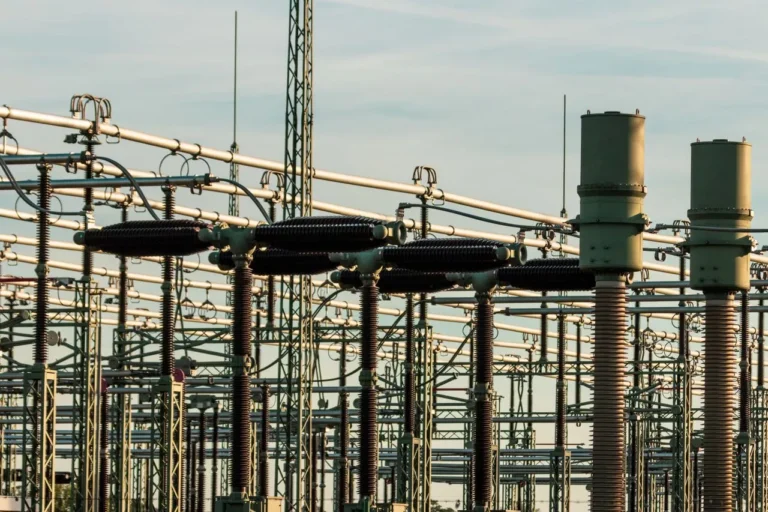
The platform combines grid data with Splight’s artificial intelligence algorithms to evaluate transmission conditions and determine available capacity in real time. It can respond rapidly to changing operating conditions and contingencies while working alongside existing grid protection equipment, including protective relays and circuit breakers.
These existing protection systems remain essential to maintaining safe and stable electricity operations. DCM complements them by providing additional intelligence about the grid’s changing conditions and helping operators use available transmission capacity more efficiently.
The technology is already operating across approximately 3 gigawatts (GW) of generation capacity globally, according to Splight. Its implementation in Chile demonstrates how digital grid management can support renewable energy integration without making additional transmission construction a prerequisite for every capacity increase.
The project was designed, validated and integrated under the security and reliability procedures of Chile’s national system operator, the Coordinador Eléctrico Nacional. Implementation involved multiple participants across the transmission and generation sectors.
ACCIONA Energía led the implementation, with Enel Green Power and WPD participating as generators. Transmission companies involved in the project included Transelec, Ferrovial, Saesa, Celeo and Transmisora Sur Andes.
The Universidad de Santiago de Chile (Usach) also contributed research involving digital twins. This work helped demonstrate that AI-driven transfer control could meet the demanding operational requirements of a nationally interconnected electricity system.
The collaboration brought together grid operators, renewable energy producers, transmission companies and academic researchers to validate the technology within Chile’s existing electricity infrastructure.
Source Link: https://www.businesswire.com/