

SLB Introduces New Artificial Lift Technologies to Improve Production Efficiency in U.S. Land Operations
SLB has expanded its artificial lift technology portfolio with the launch of two new solutions designed to improve equipment durability, production efficiency and operational flexibility across U.S. land operations. The newly introduced Harbison-Fischer Deka™ diamond technology for rod pump barrels and the Synthetix™ hydraulic gas lift system address two persistent challenges facing oil and gas producers: mechanical wear in demanding rod-pumped wells and the need to optimize gas lift performance as downhole conditions change.
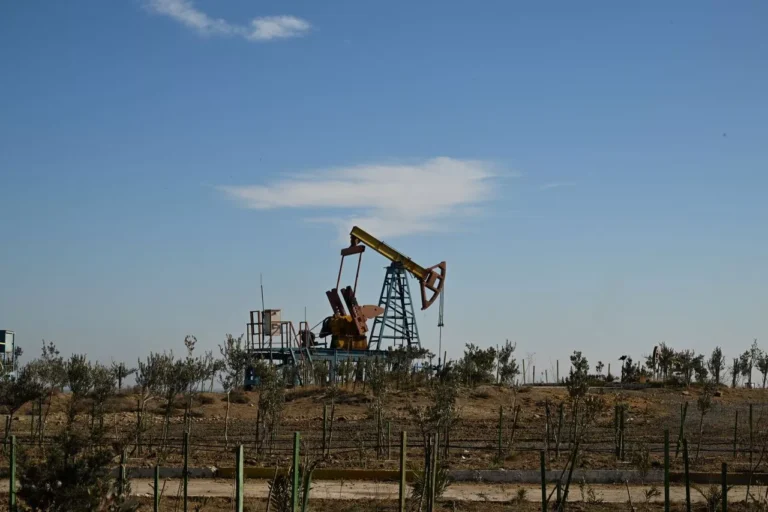
Artificial lift remains a critical component of hydrocarbon production, particularly in mature fields and unconventional developments where natural reservoir pressure is insufficient to maintain desired production rates. As wells age, operators must contend with changing pressure conditions, declining production, abrasive fluids, corrosive environments and increasing equipment wear. These factors can raise operating costs and require more frequent well interventions.
SLB’s latest technologies are intended to help operators address these challenges through improvements in material durability and greater control over artificial lift operations. While the two solutions serve different applications, both are focused on extending equipment life, reducing intervention requirements and enabling producers to respond more effectively to changing well conditions.
Improving Rod Pump Durability With Deka Diamond Technology
The Harbison-Fischer Deka™ technology has been developed for rod pump barrels operating in abrasive and corrosive environments. The technology uses a proprietary diamond-based coating designed to significantly improve the durability and wear resistance of the barrel.
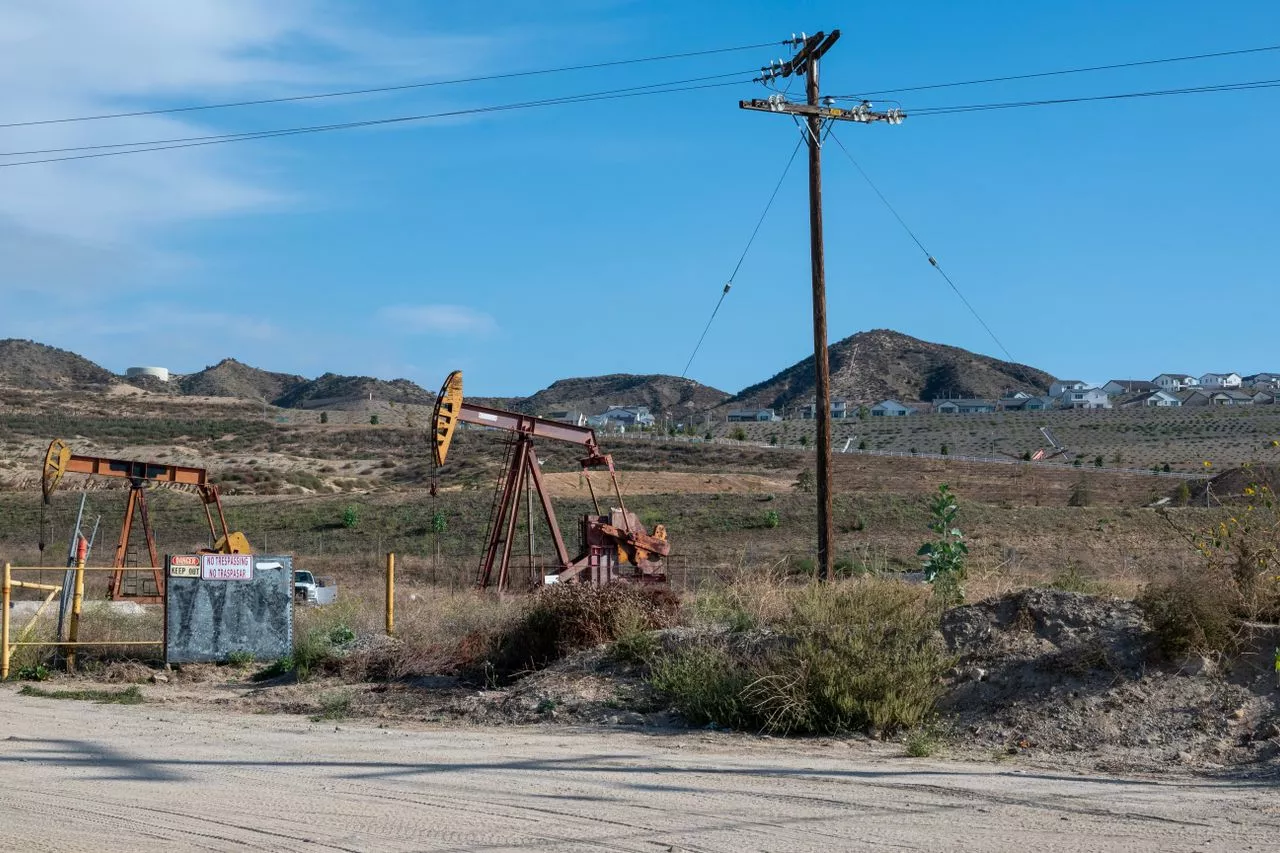
Rod pumping remains one of the most widely used artificial lift methods in the oil and gas industry. However, rod-pumped wells can experience substantial mechanical wear, particularly when produced fluids contain abrasive particles or when operating conditions accelerate friction between the barrel and plunger.
Over time, this wear can affect pump performance, reduce production efficiency and ultimately require replacement of damaged components. Equipment replacement may also involve well interventions that increase operational costs and can temporarily interrupt production.
Deka technology addresses these challenges at the material level by applying its proprietary diamond-based coating to rod pump barrels. According to SLB, testing has demonstrated significantly improved abrasion resistance and up to 90% greater hardness compared with conventional barrel coatings.
The improved hardness and abrasion resistance are intended to help the barrel withstand demanding operating conditions for longer periods. By reducing wear between the barrel and plunger, the technology can potentially extend the useful life of rod pumping equipment and reduce the frequency of replacements.
For operators managing large portfolios of mature wells, even incremental improvements in equipment longevity can have significant operational benefits. Reduced replacement requirements can lower maintenance costs, decrease the number of well interventions and help maintain more consistent production performance.
The technology is particularly relevant for wells where abrasive particles, corrosive fluids or challenging production conditions place additional stress on conventional pumping equipment. In these environments, mechanical wear can become a major contributor to operating expenses and production downtime.
By improving the durability of a critical pump component, Deka technology is designed to support more reliable operation while helping operators optimize the lifecycle performance of their artificial lift systems.
Surface-Controlled Gas Lift With the Synthetix System
SLB’s second newly introduced technology, the Synthetix™ hydraulic gas lift system, focuses on improving operational control and flexibility in gas lift applications.
Gas lift is widely used to support production from wells where reservoir pressure alone is insufficient to efficiently lift fluids to the surface. The process involves injecting gas into the well to reduce the density of the produced fluid column, allowing hydrocarbons to flow more effectively.
However, optimal gas lift performance can change over the life of a well. As reservoir pressure declines or fluid characteristics evolve, operators may need to adjust gas injection parameters to maintain production efficiency.
Traditional adjustments can require interventions such as slickline operations or more extensive workover activities. These operations can add costs, create operational complexity and potentially interrupt production.
The Synthetix system is designed to provide operators with greater flexibility by enabling gas injection to be controlled and adjusted from the surface. The technology uses hydraulically actuated downhole valves, allowing operators to modify gas lift parameters in response to changing well conditions without requiring a slickline intervention or workover.
This surface-based control capability allows production teams to respond more quickly to changes in well performance. Rather than relying on physical intervention to modify the gas lift configuration, operators can make adjustments through the hydraulic system.
The technology also enables operators to switch between annular and tubing flow configurations from the surface. This additional flexibility can be valuable in wells where changing pressure, fluid behavior or production conditions require adjustments to the flow configuration.
According to SLB, field deployments of the Synthetix system have delivered production efficiency improvements ranging from 10% to 20%. These improvements have included applications in mature and low-pressure wells, where maintaining efficient artificial lift performance can become increasingly challenging.
The system’s hydraulic architecture also provides real-time adjustability without requiring the downhole electrical infrastructure associated with electrically controlled gas lift systems. This approach may simplify deployment in certain well environments while providing operators with an alternative method of achieving adjustable downhole control.
Addressing Changing Well Conditions
The launch of the two technologies reflects a broader focus across the oil and gas industry on improving production performance from existing assets.
As wells mature, production operations often become more complex. Reservoir pressure can decline, water production may increase, mechanical equipment can experience additional wear and the economics of individual wells can become more sensitive to maintenance and intervention costs.
Artificial lift systems must therefore provide not only the ability to maintain production but also the flexibility to adapt as well conditions evolve.
Deka technology and the Synthetix system address different aspects of this operational challenge.
Deka technology focuses on the physical durability of rod pumping equipment. By improving resistance to abrasion and wear, the technology is intended to reduce one of the common causes of equipment degradation in rod-pumped wells.
The Synthetix system, meanwhile, focuses on operational control. Its hydraulically actuated valves allow operators to modify gas lift performance as conditions change, potentially reducing the need for intervention activities.
Together, the technologies represent two distinct approaches to improving artificial lift performance: increasing equipment longevity and increasing operational adaptability.
“Artificial lift performance increasingly depends on extending equipment life while giving operators greater control over changing well conditions,” said Josh Jones, VP Production Systems North America Land at SLB.
Jones said the technologies address different but closely related production challenges.
“Deka technology addresses wear at the material level, while the Synthetix system enables operators to adjust gas lift performance from the surface without an intervention,” he said. “Together, they provide two different approaches to improving production reliability and operating efficiency.”
Reducing Intervention Requirements
One of the potential benefits of both technologies is a reduction in the operational burden associated with well interventions.
In rod-pumped wells, equipment wear can eventually require replacement of pump components. Each replacement can involve additional labor, equipment and production downtime. Extending component life can therefore provide benefits beyond the direct cost of replacement.
Similarly, the ability to adjust gas lift settings without slickline intervention or a workover can help operators avoid some of the costs and operational disruptions associated with physically accessing downhole equipment.
Reducing interventions can be particularly important across large portfolios of producing wells. Operators managing hundreds or thousands of wells must balance maintenance requirements, production targets and field operating costs.
Technologies that improve equipment reliability or reduce the frequency of interventions can contribute to more efficient field operations.
The Synthetix system’s surface control capabilities also provide operators with greater responsiveness. As production conditions change, adjustments can potentially be made without waiting for intervention equipment and personnel to become available.
This capability may become increasingly valuable in mature fields, where individual wells can experience significant changes in pressure and production characteristics over time.
Expanding SLB’s Artificial Lift Portfolio
The introduction of Deka technology and the Synthetix hydraulic gas lift system further expands SLB’s artificial lift portfolio for land-based production operations.
Artificial lift requirements vary significantly between wells, reservoirs and production environments. Some wells may primarily require durable mechanical systems capable of operating under abrasive conditions, while others may benefit from adjustable lift configurations that can respond to changing reservoir behavior.
By adding these two technologies, SLB is targeting both categories of challenges.
Deka technology is focused on improving the reliability and longevity of rod pump barrels operating in demanding environments. Its diamond-based coating is designed to provide enhanced hardness and abrasion resistance, helping reduce wear between the barrel and plunger.
The Synthetix system provides a hydraulically controlled alternative for operators seeking greater flexibility in gas lift management. Its ability to adjust downhole valves from the surface and switch between annular and tubing flow configurations gives operators additional options for optimizing production.
Both technologies are intended to support a central objective for oil and gas producers: maintaining efficient and reliable production while controlling operating costs.
As existing wells continue to mature, the importance of artificial lift optimization is expected to remain significant. Operators increasingly need technologies that can extend equipment life, improve production performance and reduce the operational complexity associated with maintaining aging assets.
SLB’s latest artificial lift technologies address these requirements through advances in materials and hydraulic control. By targeting mechanical wear in rod-pumped wells and improving the ability to optimize gas lift as conditions evolve, Deka technology and the Synthetix system are designed to help producers improve production reliability and operating efficiency across challenging well environments.
With the two technologies now launched for U.S. land operations, SLB is providing operators with additional tools to manage two of the industry’s longstanding artificial lift challenges: maintaining equipment durability under demanding conditions and adapting production strategies as wells change over time.
Source Link: https://www.slb.com/