

Schneider Electric Launches Schneider Charge to Simplify Home EV Charging in Canada
Schneider Electric, a global energy technology company, has announced the Canadian launch of Schneider Charge, a residential Level 2 electric vehicle (EV) charger designed to make home EV charging simpler, smarter and more accessible. The new charger addresses one of the most common challenges facing homeowners who want to install faster home charging: whether their existing electrical system has enough capacity to support an EV charger without requiring expensive upgrades.
A key feature of Schneider Charge is its integrated SmartAmp dynamic load management technology. The system continuously monitors a home’s electrical consumption and automatically adjusts the EV charger’s power output according to the capacity available. By managing the electrical load in real time, SmartAmp can help many homeowners install a Level 2 charger without undertaking an electrical panel or service upgrade, which can cost up to $9,000 or more depending on location and the scope of work required.
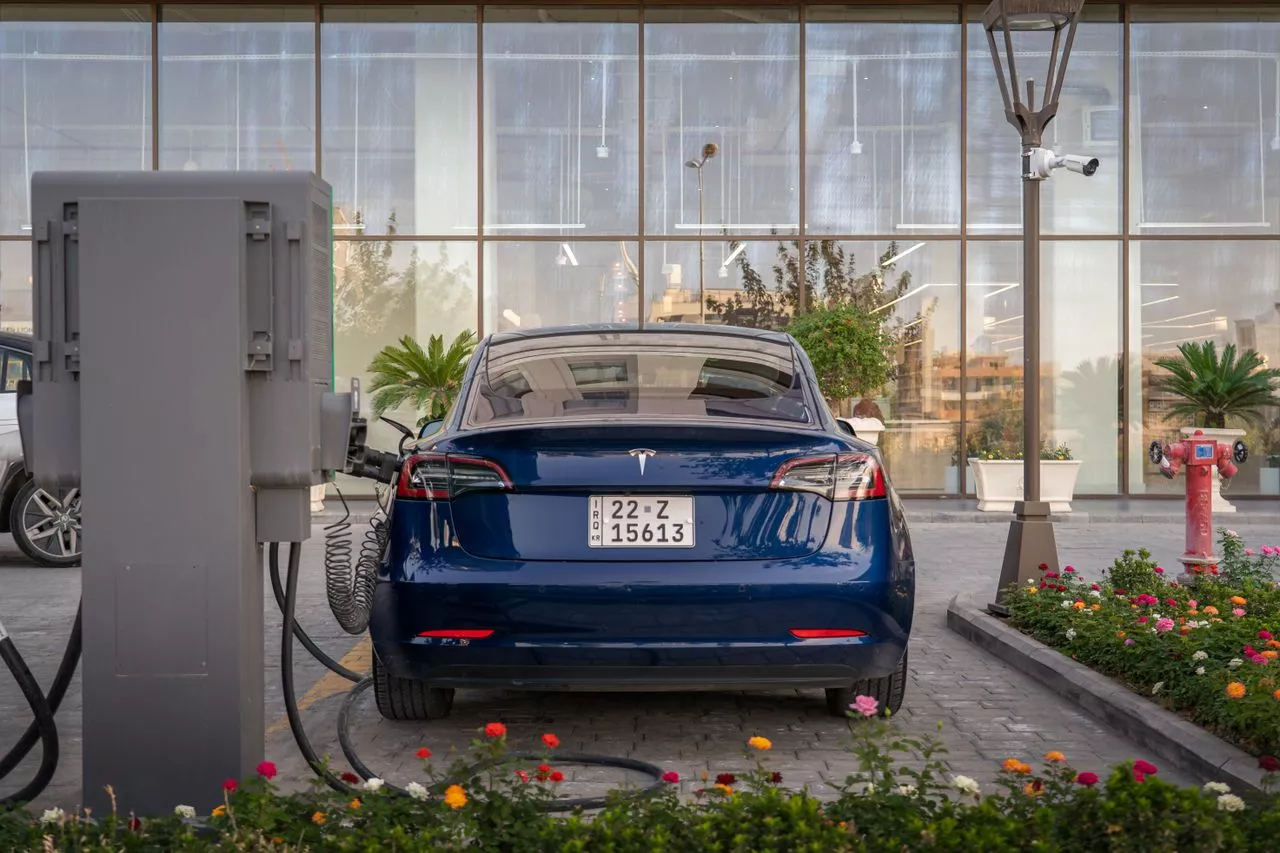
The launch comes as electric vehicle adoption continues to grow in Canada. With close to one million plug-in vehicles already on Canadian roads and federal incentives encouraging more consumers to transition to electric mobility, reliable home charging is becoming increasingly important. For EV owners, the ability to charge overnight or whenever a vehicle is parked at home can provide greater convenience, reduce reliance on public charging stations and help drivers keep their vehicles ready for daily use.
However, the process of installing a home charger can present challenges. Homeowners may be uncertain about the electrical capacity of their property, the cost of an installation or whether their existing panel can accommodate the additional demand. Schneider Electric says Schneider Charge is designed to address those concerns by allowing charging to operate within the home’s available electrical capacity.
“Canadians shouldn’t have to choose between charging at home and taking on an expensive electrical upgrade,” said David O’Reilly, Vice President, Home & Commercial Solutions Division, Schneider Electric Canada. “With SmartAmp built in, Schneider Charge works within a home’s existing electrical capacity, allowing more people to plug in with confidence and enjoy the convenience and daily readiness that make EV ownership easier.”
SmartAmp Helps Manage Household Electrical Demand
SmartAmp is central to Schneider Charge’s approach to residential EV charging. Rather than requiring a homeowner to manually manage electrical demand, the system monitors the home’s energy consumption and automatically adjusts charging power as other electrical loads change.
For example, when major household appliances are operating simultaneously, the charger can reduce its charging output to remain within the electrical panel’s available capacity. When household demand decreases, charging output can increase again. This dynamic approach is intended to help homeowners make better use of their existing electrical infrastructure while maintaining a safe and efficient charging experience.
The monitoring technology is integrated into the Schneider Charge system through panel-installed current transformers that are included with the charger. This eliminates the need for separate energy-monitoring equipment and can simplify installation. Load monitoring also continues when the charger does not have a Wi-Fi connection, providing an additional layer of flexibility for residential applications.
By incorporating load management directly into the charger, Schneider Electric aims to reduce the complexity associated with determining whether a home’s electrical infrastructure can support Level 2 charging. In some cases, this may allow homeowners to avoid costly electrical panel or service upgrades.
Smart Charging Can Help Manage Energy Costs
Schneider Charge also provides connected charging capabilities through the Schneider Charge app. The application enables EV owners to monitor charging sessions and create charging schedules based on their individual needs.
Homeowners can use scheduling features to align vehicle charging with time-of-use electricity rates where applicable. By shifting charging toward periods when electricity costs are lower, drivers can potentially better manage the energy costs associated with charging an EV.
The app also gives users visibility into charging activity, helping them understand when and how their vehicle is consuming electricity. This connectivity supports Schneider Electric’s broader objective of integrating EV charging into the home’s overall energy management strategy rather than treating the vehicle as an isolated electrical load.
Designed for Canadian Conditions
Schneider Electric has designed Schneider Charge for both indoor and outdoor residential installations, providing flexibility for homeowners with garages, carports or outdoor parking spaces.
The charger can deliver up to 11.5 kilowatts of Level 2 charging at 48 amps. It is available with two connector options: the North American Charging Standard (NACS), also known as J3400, and J1772. This gives homeowners options for supporting different EV models and helps accommodate the changing connector landscape in the North American EV market.
Cold-weather performance is another important consideration for Canadian customers. Schneider Charge is designed to operate in temperatures as low as -30°C, supporting installations in regions where winter conditions can place additional demands on outdoor electrical equipment.
The charger is also ENERGY STAR certified and comes with a three-year warranty, adding an additional level of assurance for homeowners considering the installation of a dedicated EV charging system.
Simplifying Installation for Electricians
Schneider Electric is also targeting the installation side of the residential EV charging market. The company says Schneider Charge has been engineered to make commissioning easier for electricians and contractors.
The eSetup app is intended to simplify the commissioning process and provide a more repeatable installation experience. Streamlining commissioning can help contractors reduce time spent configuring equipment and potentially lower labour requirements associated with installing residential EV chargers.
For Canadian homeowners seeking professional installation, Schneider Electric has partnered with the Qmerit installer network. Through the partnership, customers can be connected with certified installers capable of supporting the installation of Schneider Charge.
The combination of integrated load management, simplified commissioning and access to qualified installers is intended to address several barriers that can make residential EV charger installations more complicated.
Supporting the Growth of Home EV Charging
As more Canadians transition to electric vehicles, home charging infrastructure will play an increasingly important role in supporting EV adoption. While public charging networks continue to expand, residential charging remains one of the most convenient options for drivers who have access to suitable parking and electrical infrastructure.
Schneider Charge is positioned as a solution for homeowners who want the faster charging capabilities of a Level 2 system but may be concerned about the cost of upgrading their electrical service. Its SmartAmp technology allows the charger to respond dynamically to household demand, potentially making Level 2 charging accessible to a broader range of homes.
The product also reflects a broader shift toward smarter residential energy management. As homes increasingly incorporate EVs, heat pumps, solar generation, batteries and other high-demand electrical equipment, managing when and how electricity is consumed can become just as important as increasing electrical capacity.
By combining EV charging with real-time load management and app-based scheduling, Schneider Electric is seeking to make home charging more adaptable to existing household energy systems.
For Canadian EV owners, the company’s latest offering provides a charging solution designed around convenience, connectivity and electrical capacity management. As the country’s plug-in vehicle population continues to expand, technologies that simplify home charging installations could help make EV ownership more practical for a wider range of households.
Source Link: https://www.businesswire.com/