

Minnkota Power Cooperative Joins North Plains Connector Consortium, Secures Capacity on Major HVDC Transmission Project
North Plains Connector has added another significant utility partner to its growing consortium, as Minnkota Power Cooperative (Minnkota) announced plans to participate in the landmark transmission project. The cooperative has signed a non-binding memorandum of understanding (MOU) with North Plains Connector LLC, a subsidiary of Grid United, to reserve 150 megawatts of transmission capacity on the proposed 3,000-megawatt high-voltage direct current (HVDC) transmission line once it enters service. The agreement remains subject to the successful negotiation and execution of definitive contracts.
The addition of Minnkota marks an important milestone for the North Plains Connector project, which is designed to strengthen the electric grid across multiple regions of the United States while improving reliability, resiliency, and market access. As the eighth member of the utility consortium supporting the project, Minnkota joins a growing coalition of utilities that view expanded transmission infrastructure as a critical component of meeting future energy needs.
According to Minnkota leadership, participation in the project aligns with the cooperative’s long-term strategy of ensuring reliable, affordable, and flexible electricity service for its members while creating new opportunities for power generation resources.
“North Plains Connector represents a promising opportunity to strengthen the regional grid and support long-term energy reliability and flexibility,” said Mac McLennan, President and Chief Executive Officer of Minnkota Power Cooperative.
McLennan emphasized that the transmission line would establish another important connection point near the cooperative’s generation facilities. Such a connection would allow Minnkota to broaden access to electricity markets while increasing operational flexibility across its system.
The project would not only create additional pathways for Minnkota-generated power to reach new markets but also provide access to electricity resources from western regions. This capability would allow the cooperative to better balance supply and demand while responding more effectively to evolving energy requirements and market conditions.
“North Plains Connector would create another strong transmission connection near Minnkota’s generation resources, expanding market opportunities for that power while also enhancing our ability to serve members with reliable, affordable electricity,” McLennan said. “Just as importantly, the line would create another pathway to bring power resources from the west into our system, giving Minnkota additional flexibility to move electricity where it’s needed and respond to changing energy demands.”
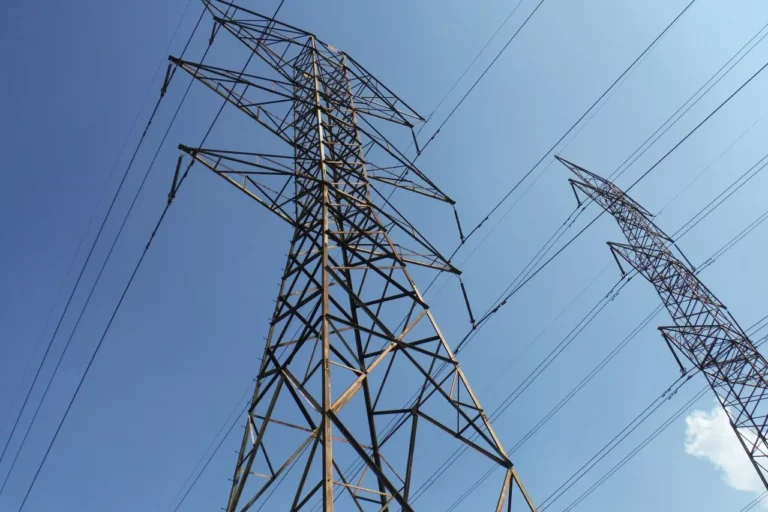
The North Plains Connector project is being developed as one of the most ambitious transmission initiatives currently underway in North America. Upon completion, it will become the first HVDC transmission line in the United States to directly connect three major regional electricity markets: the Midcontinent Independent System Operator (MISO), the Western Interconnection, and the Southwest Power Pool (SPP).
By linking these three major grid regions, the transmission line is expected to create a more integrated and resilient electric system capable of moving large amounts of power across vast geographic distances. The enhanced interconnection will help utilities access diverse energy resources, improve reliability during periods of high demand, and support broader market efficiencies.
Industry experts increasingly view transmission expansion as a critical requirement for accommodating growing electricity demand, integrating new generation resources, and enhancing grid stability. As electrification trends accelerate across transportation, industry, and residential sectors, the need for robust transmission infrastructure has become a major focus for utilities and policymakers alike.
The North Plains Connector is specifically designed to address these challenges through advanced HVDC technology. Compared with traditional alternating current transmission systems, HVDC lines can move large quantities of electricity over long distances with lower losses and greater operational control. This technology enables utilities to transfer power efficiently between separate grid systems while improving overall network reliability.
The project’s leadership views Minnkota’s participation as another sign of growing industry confidence in the transmission corridor’s value.
“The momentum on North Plains Connector is reflective of the regional utilities’ commitment to serving their customers by expanding grid capacity in the most efficient and cost-effective way,” said Colleen Nash, leader of the North Plains Connector HVDC transmission project.
Nash highlighted the significance of adding another North Dakota-based utility to the consortium and noted the project’s increasing support among utilities operating within the MISO market.
“We are proud to welcome Minnkota to the utility consortium as the project’s second North Dakota-based utility serving the MISO electricity market,” she said.
The North Plains Connector is being jointly developed by Grid United and ALLETE, Inc., two organizations with extensive experience in energy infrastructure development and utility operations. Their collaboration seeks to establish a transmission backbone capable of supporting both current and future energy requirements across the northern United States.
The consortium backing the project now includes a diverse group of utilities from multiple states and market regions. In addition to Minnkota, participating utilities that have signed capacity MOUs include Avista, BHE U.S. Transmission, Montana-Dakota Utilities, NorthWestern Energy, Portland General Electric Utility, and Puget Sound Energy.
The participation of these utilities demonstrates growing recognition that regional collaboration will play a crucial role in addressing future energy challenges. By securing transmission capacity in advance, consortium members are positioning themselves to benefit from expanded market access, enhanced reliability, and greater flexibility in managing generation resources.
Beyond its operational benefits, North Plains Connector is also expected to deliver substantial economic impacts across the regions where it will be constructed. The project represents a multi-billion-dollar investment spanning Montana and North Dakota, making it one of the largest energy infrastructure developments in the region.
Construction activities are expected to generate significant employment opportunities, with more than 800 jobs projected during the development and building phases. These jobs will support local economies while contributing to the growth of skilled labor opportunities in the energy and construction sectors.
In addition to direct employment benefits, the project is expected to create broader economic value through increased tax revenues, infrastructure investment, and long-term support for energy-related industries throughout the region.
One of the defining characteristics of North Plains Connector is its bidirectional transmission capability. Unlike some traditional transmission projects that primarily move power in one direction, the HVDC line will be capable of transporting electricity in either direction depending on market conditions and system needs.
This flexibility will allow power generated from a variety of sources—including conventional generation, renewable energy resources, and emerging technologies—to flow where demand is highest. Such adaptability is increasingly important as utilities navigate a rapidly changing energy landscape characterized by evolving customer demands, new generation technologies, and shifting market dynamics.
As planning and development efforts continue, the addition of Minnkota strengthens the project’s foundation and further demonstrates utility-sector support for expanded transmission infrastructure. With growing electricity demand, increasing interregional energy exchanges, and the need for enhanced grid resilience, North Plains Connector is positioned to become a transformative asset for the U.S. electric system.
The participation of another major utility underscores the project’s strategic importance and highlights the broader industry trend toward investing in transmission solutions that can connect markets, improve reliability, and support long-term energy security across multiple regions of the country.
Source Link: https://www.businesswire.com/