

Canada’s Strategic Push for Energy Security: Kitsault Energy Advances Northwest Export Corridor Plan
At Scotiabank’s annual meeting, CEO Scott Thomson underscored a growing reality in global markets: natural resources are increasingly being leveraged as geopolitical tools. Referencing the ongoing tensions in the Middle East, he highlighted how supply disruptions and political instability can reshape global trade flows and energy security priorities. Against this backdrop, Thomson emphasized that Canada is uniquely positioned to serve as a stable and reliable supplier of critical resources—ranging from energy products to essential minerals—at a time when importing nations are actively seeking dependable alternatives.
This perspective aligns with a broader industry narrative that places Canada at the center of future global supply chains. With abundant reserves of oil, natural gas, and critical minerals, coupled with a strong regulatory framework and political stability, the country has the potential to expand its role as a preferred export partner. However, unlocking this opportunity depends heavily on the development of modern infrastructure capable of connecting inland resources to international markets.
One region that is rapidly gaining attention in this context is Kitsault Energy, located in northwest British Columbia. Historically known as a remote mining town, Kitsault and its surrounding areas are now experiencing renewed interest due to ongoing exploration activities targeting copper, gold, and silver deposits. These minerals are vital for clean energy technologies, including electric vehicles, renewable power systems, and energy storage solutions. As exploration intensifies, the region’s strategic importance continues to grow—not just for mining, but also as a potential gateway for exporting a wide range of commodities.
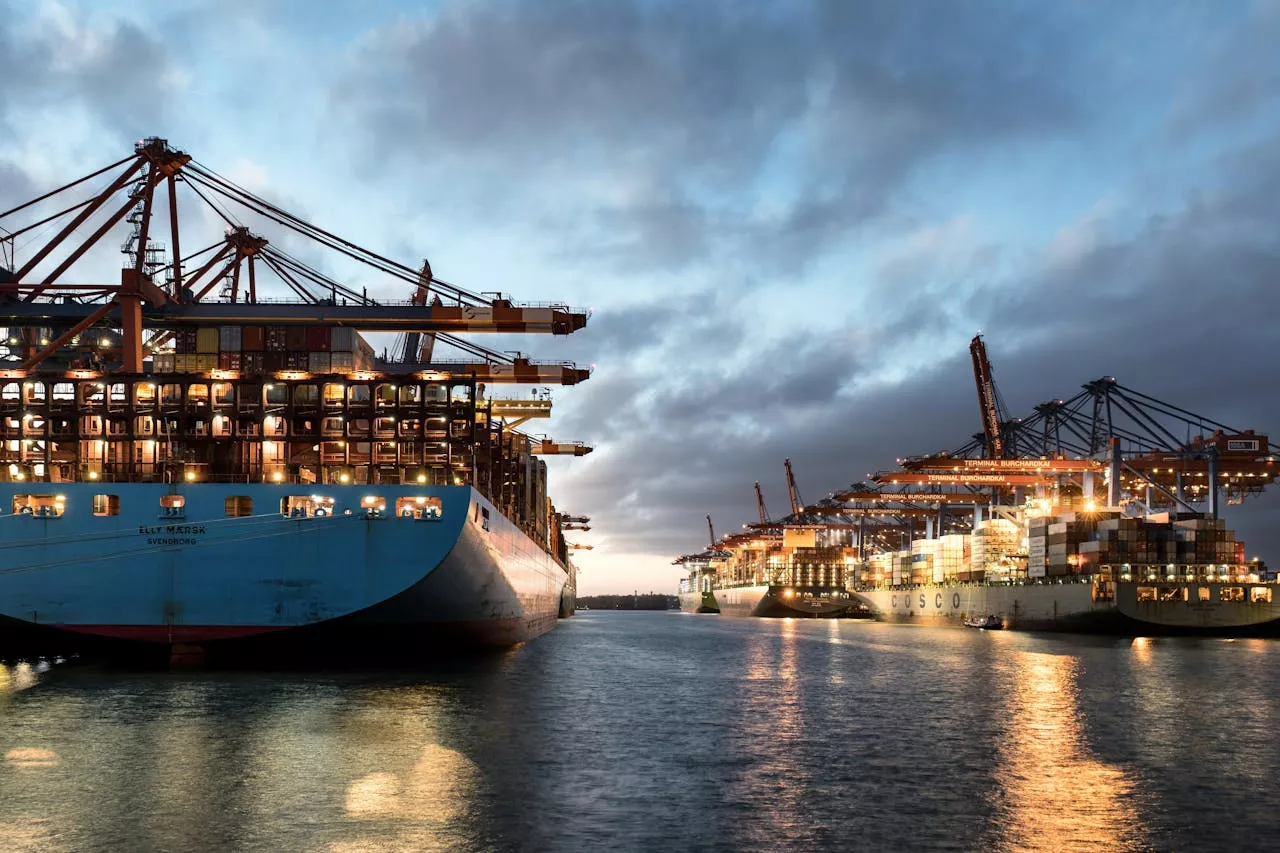
Recognizing this opportunity, Kitsault Energy (KE) has been advancing a long-term proposal to develop a dedicated energy and commodity export corridor in the region. The plan includes the construction of a deep-water export port and terminal located approximately 25 kilometers south of Kitsault, designed to serve as a hub for multiple resource streams. This vision reflects a broader shift toward integrated infrastructure systems that can handle diverse commodities while improving efficiency and reducing bottlenecks in existing export networks.
Industry leaders have echoed the need for such developments. Lisa Baiton, president and CEO of the Canadian Association of Petroleum Producers, has consistently highlighted the importance of expanding Canada’s export infrastructure. She has pointed out that direct access to international markets—particularly in Asia and Europe—is essential for maximizing the value of Canadian resources. Without sufficient infrastructure, producers face constraints that limit their ability to compete globally and respond to shifting demand patterns.
To address these challenges, various feasibility studies have explored the potential for developing a deep-water port near Observatory Inlet and Anyox, located roughly 25 kilometers south of Kitsault Energy. These studies have examined the logistical and economic viability of connecting the proposed port to inland production regions through rail and pipeline networks. One concept includes linking the site to Port Churchill in northern Manitoba via rail, creating a transcontinental corridor that would enhance connectivity across Canada.
In addition, Spectra Energy has previously evaluated possible pipeline routes through the mountainous terrain of British Columbia, including pathways leading to Ridley Island via Anyox. These assessments highlight the technical feasibility of establishing a multi-modal transport system capable of moving large volumes of commodities from production centers to coastal export facilities.
Kitsault Energy’s proposal builds on these insights by envisioning a comprehensive infrastructure network anchored by a strategically located port. The plan includes a marine transport component, with an estimated 20-minute watercraft commute between Kitsault and the proposed terminal site. This approach aims to optimize logistics while minimizing environmental and community impacts.
The scope of the KE project is notably broad. It is designed to support the export of a diverse range of commodities, including crude oil, natural gas liquids (NGLs), propane, butane, uranium, potash, canola, and pulse crops. By accommodating multiple product streams, the project seeks to create a flexible and resilient export platform capable of adapting to changing market conditions.
Another key advantage of the proposed port is its potential to alleviate congestion at existing western Canadian export hubs. Facilities in Kitimat, Prince Rupert, Ridley Island, and Vancouver are already operating at or near capacity, particularly during peak demand periods. By providing an additional outlet for exports, the Kitsault Energy project could enhance overall system efficiency and reduce delays, benefiting producers across multiple sectors.
Over the past 13 years, Kitsault Energy has actively engaged with a wide range of stakeholders, including global investors, energy producers, and commodity traders. These efforts have focused on building partnerships and securing the support needed to advance the project from concept to reality. Despite this extensive outreach, the company has expressed concerns about the lack of backing from both the federal government and the Government of Alberta.
According to KE, this lack of support represents a missed opportunity at a time when global demand for Canadian resources is increasing. Asian markets, in particular, are seeking reliable suppliers of energy and raw materials, driven by economic growth and the transition to cleaner energy systems. Without adequate infrastructure, Canada risks losing market share to competing exporters that are better positioned to deliver products efficiently.
The company’s leadership has also engaged with prominent political figures over the years to advocate for the project. Discussions have included former British Columbia Premier Christy Clark, former Alberta Premier Jason Kenney, and the late former Alberta Premier Jim Prentice. In his later role as a consultant to Enbridge, Prentice reportedly recognized the potential of the proposed corridor as a viable route for exporting Canadian resources to global markets.
Kitsault Energy has consistently promoted the concept of a multi-pipeline corridor linking Alberta’s resource-rich regions with the British Columbia coast. Such a corridor would enable the efficient transportation of oil, natural gas, and other commodities, while also providing redundancy and flexibility in the event of disruptions.
The importance of revisiting infrastructure proposals has been underscored by the cancellation of several major projects in recent years. Notably, the Northern Gateway Pipeline and initiatives associated with Petronas were ultimately shelved, resulting in significant financial losses. Alberta alone is estimated to have lost more than $2 billion due to these cancellations. For Kitsault Energy, these outcomes highlight the need for renewed focus on long-term infrastructure planning and investment.
At its core, the KE proposal represents an effort to create a modern, integrated export hub that leverages Canada’s natural advantages. By combining pipeline, rail, and marine transport systems, the project aims to establish a seamless supply chain from production to export. Its strategic coastal location further enhances its appeal, offering direct access to key international shipping routes.
Beyond economic considerations, the project also has the potential to deliver meaningful benefits for Indigenous and local communities. By creating jobs, generating revenue, and supporting regional development, it could contribute to long-term economic sustainability. Kitsault Energy has emphasized its commitment to working collaboratively with First Nation communities to ensure that the project is developed in a responsible and inclusive manner.
Source Link: https://www.businesswire.com/