

CPV Rogue’s Wind Begins Commercial Operations, Strengthening Renewable Energy Portfolio in Pennsylvania
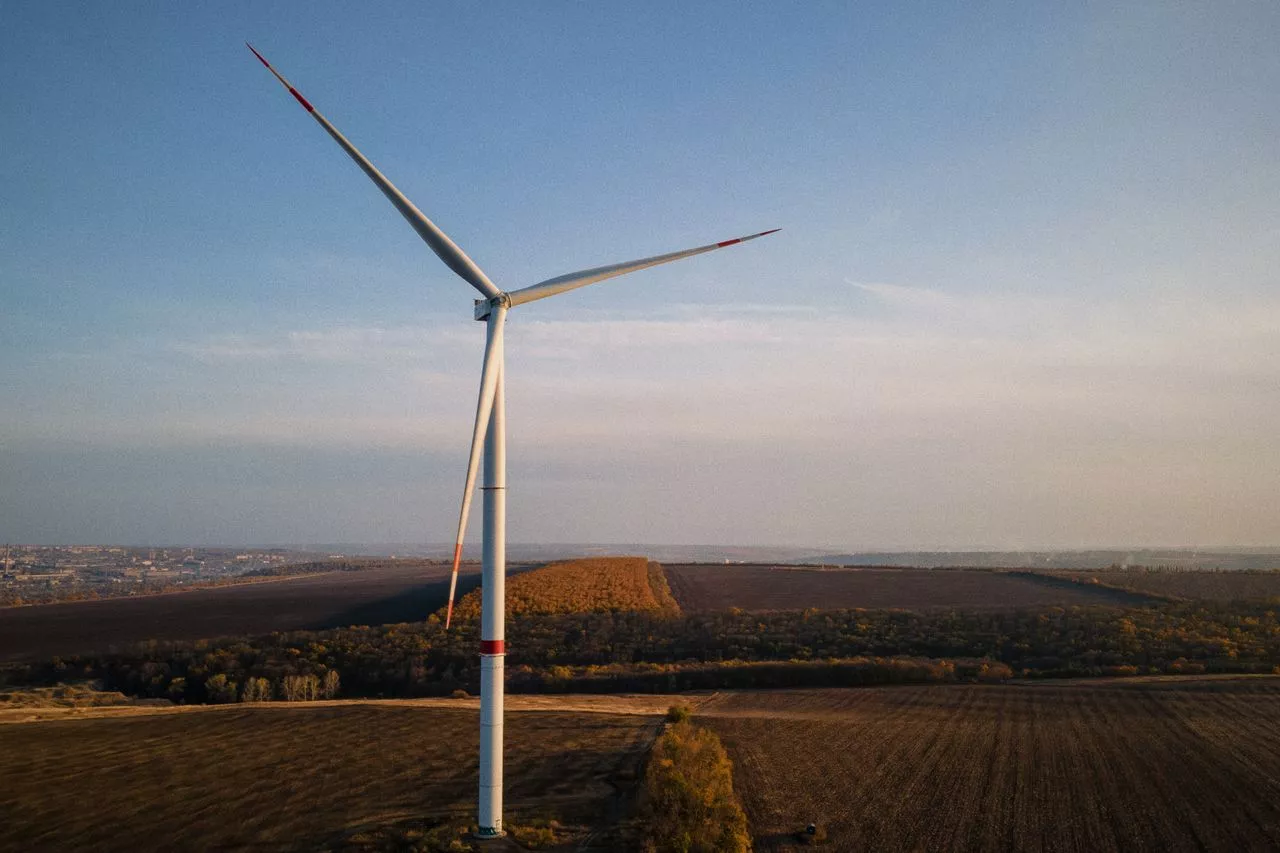
Competitive Power Ventures (CPV), through its affiliate CPV Renewable Power, has officially commenced commercial operations at the CPV Rogue’s Wind project, marking another significant milestone in the company’s renewable energy expansion strategy. Developed in partnership with investment firm Harrison Street Asset Management (HSAM), the 114-megawatt (MW) wind farm further strengthens CPV’s renewable generation portfolio while reinforcing its commitment to redeveloping former industrial sites into productive clean energy assets.
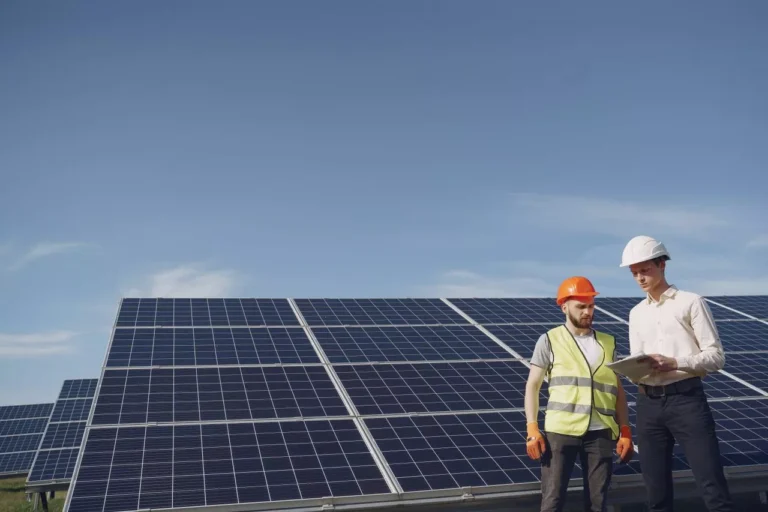
Located in Cambria County, Pennsylvania, CPV Rogue’s Wind becomes the company’s third operating energy project in the county. It joins the CPV Fairview Energy Center, a natural gas-fired power facility, and CPV Maple Hill Solar, creating a diversified energy portfolio that combines conventional generation with renewable resources. The latest addition reflects CPV’s broader strategy of supporting grid reliability while increasing renewable electricity production to meet rising energy demand.
Expanding Renewable Energy in Pennsylvania
Pennsylvania has emerged as an important market for CPV due to its balanced approach toward energy development. The state continues to encourage investments across multiple energy technologies, including natural gas, wind, solar, and emerging clean energy resources. CPV’s latest wind project aligns with this strategy by adding new renewable generation capacity without compromising energy reliability.
Sherman Knight, Chief Executive Officer of CPV, emphasized the significance of Pennsylvania’s role in the company’s long-term investment plans.
According to Knight, Pennsylvania’s “all-of-the-above” energy strategy provides an attractive environment for projects that combine affordability, sustainability, and dependable electricity generation. He noted that the Rogue’s Wind project expands CPV’s investment in Cambria County while contributing additional renewable power to the regional grid.
Knight explained that alongside the company’s existing natural gas and solar facilities, the new wind project demonstrates CPV’s belief that diverse energy resources will be essential to meeting increasing electricity demand across the region. By integrating multiple forms of generation, CPV aims to provide reliable power while supporting long-term environmental objectives.
Transforming Former Coal Mine Land
One of the defining characteristics of CPV Rogue’s Wind is its location on reclaimed coal mining property.
The project occupies more than 6,000 acres of former mining land, highlighting CPV’s ongoing commitment to redeveloping brownfield sites for renewable energy production rather than utilizing undeveloped greenfield locations. This approach allows previously disturbed industrial land to be repurposed into productive infrastructure while minimizing environmental impacts associated with new land development.
The Rogue’s Wind facility represents the third renewable energy project developed by CPV on former coal mining property. The company has increasingly focused on converting legacy fossil fuel sites into renewable energy assets, helping communities transition from traditional energy industries while preserving local economic activity.
Repurposing former mining sites also provides opportunities to utilize existing infrastructure, transportation access, and transmission connections that were established during earlier industrial operations.
Supporting Local Communities
Beyond renewable electricity generation, CPV Rogue’s Wind has been designed to coexist with existing community activities.
The project operates in partnership with private landowners as well as the Rock Run Recreation Area, a well-known off-road vehicle destination featuring more than 140 miles of ATV trails. Riders visiting the recreation area can travel through portions of the property and access views of the wind turbines, demonstrating how renewable infrastructure can be integrated alongside recreational land use.
Mike Resca, Executive Vice President of CPV Renewable Power, said the project reflects the company’s philosophy of working collaboratively with local communities while maximizing the value of existing land.
He explained that Rogue’s Wind not only transforms former coal mining property into a renewable energy facility but also complements an active outdoor recreation destination, preserving opportunities for tourism and recreation while introducing a new source of clean electricity.
According to Resca, the project represents approximately $300 million in regional investment, delivering economic benefits to both Cambria County and Clearfield County, as well as the Commonwealth of Pennsylvania.
He also expressed appreciation for local and state officials whose support helped move the project through development and into commercial operation.
Major Infrastructure Investment
Construction of CPV Rogue’s Wind represents one of the more significant recent infrastructure investments in the region.
Large-scale wind energy projects generate economic activity throughout multiple phases of development, including engineering, permitting, construction, equipment transportation, and long-term operations.
The $300 million investment contributed employment opportunities for contractors, equipment suppliers, transportation providers, and local businesses during construction. Once operational, the facility is expected to continue providing long-term economic value through maintenance activities, lease payments to landowners, and local tax revenues that support municipal services.
Investments of this scale also strengthen local infrastructure while helping diversify regional economies that have historically relied on coal mining and heavy industry.
Partnership with Harrison Street Asset Management
The project was developed alongside Harrison Street Asset Management (HSAM), a global investment management firm with a growing focus on infrastructure and sustainable assets.
HSAM’s participation reflects increasing institutional investment in renewable energy projects that offer stable long-term returns while supporting energy transition objectives.
Carolyn Arida, Partner – Infrastructure at Harrison Street Asset Management, said the project demonstrates how carefully planned infrastructure investments can deliver meaningful benefits to both local communities and the broader electric grid.
She noted that the partnership with CPV reflects a shared commitment to investing in infrastructure capable of producing long-term economic and environmental value while supporting evolving electricity demand.
The successful completion of Rogue’s Wind further expands Harrison Street’s renewable infrastructure portfolio and strengthens its partnership with CPV on future clean energy opportunities.
Securing Tax Equity Financing
To support the financial structure of the project, CPV secured tax equity financing from U.S. Bank, an important component of financing many renewable energy developments in the United States.
Tax equity investments enable developers to monetize federal renewable energy tax incentives, reducing project financing costs while attracting institutional capital into clean energy infrastructure.
In this transaction, Marathon Capital served as financial advisor, assisting with the tax equity financing process.
The financing package highlights investor confidence in both the project’s long-term performance and CPV’s experience developing utility-scale renewable energy facilities across the country.
Access to competitive financing remains an essential factor in expanding renewable energy deployment, enabling developers to deliver projects that remain economically competitive while supporting clean electricity generation.
Complex Construction and Logistics
Construction of CPV Rogue’s Wind required extensive coordination among contractors, transportation specialists, and government agencies.
The project was built by White Construction, which utilized numerous local contractors throughout the construction process.
One of the most challenging aspects involved transporting the project’s 19 Vestas V-162 wind turbines from port facilities to the construction site.
Specialized logistics company Logisticus Group managed transportation operations covering more than 260 miles, requiring detailed route planning and coordination due to the size and weight of turbine components.
Moving wind turbine blades, towers, and nacelles often involves oversized transport vehicles that require temporary road modifications, escort vehicles, and close cooperation with transportation authorities.
According to Resca, bringing the project online safely and on schedule required significant collaboration among all project partners and innovative problem-solving throughout the construction process.
He praised the efforts of contractors and logistics teams while acknowledging the assistance provided by the Maryland Department of Transportation (MDOT), Pennsylvania Department of Transportation (PennDOT), and the Maryland and Pennsylvania State Police, whose coordination helped ensure safe transportation of oversized equipment.
Supporting the Regional Grid
With commercial operations now underway, CPV Rogue’s Wind will deliver approximately 114 MW of renewable generating capacity to the regional electricity system.
The facility is expected to generate enough electricity annually to supply approximately 32,000 households, contributing additional clean energy resources to the PJM Interconnection market, one of North America’s largest wholesale electricity markets.
Wind energy complements other forms of electricity generation by diversifying the generation mix and reducing dependence on a single energy source. Combined with natural gas, solar power, and other technologies, wind projects help utilities and grid operators balance reliability, affordability, and sustainability.
As electricity demand continues to increase due to economic growth, electrification, and expanding data center development, projects like Rogue’s Wind are expected to play an increasingly important role in supplying low-carbon electricity while strengthening regional energy resilience.
Source Link: https://www.businesswire.com/