


BHE Montana to Join CAISO Day-Ahead Market, Strengthening Reliability and Customer Benefits
BHE Montana has announced that it has signed an implementation agreement to participate in the California Independent System Operator’s (CAISO) Extended Day-Ahead Market (EDAM), marking an important step in the company’s efforts to strengthen electric reliability, improve operational efficiency and deliver greater value to customers.
The agreement will allow BHE Montana to participate in a broader Western regional electricity marketplace that coordinates energy supply and demand one day ahead of actual electricity delivery. The company expects to begin participating in EDAM in 2028. By expanding its involvement in organized Western electricity markets, BHE Montana aims to improve access to energy resources, make more effective use of transmission infrastructure and strengthen the resilience of the regional power system.
“The benefits already demonstrated through BHE Montana’s participation in the WEIM show the value regional coordination can deliver for customers,” said Ed Rihn, CEO of BHE Montana. “EDAM builds on that foundation by extending those efficiencies into the day-ahead timeframe, creating additional opportunities to access lower-cost resources, better manage system conditions, and support reliable electric service for Montana customers and across the region.”
The move builds on BHE Montana’s participation in the Western Energy Imbalance Market (WEIM), which provides a real-time electricity market allowing participating utilities and balancing authorities to coordinate electricity supply across the Western Interconnection. BHE Montana joined WEIM in May 2026, providing the company with experience in regional market operations and demonstrating the potential financial and operational advantages of coordinated electricity markets.
EDAM represents a further evolution of that approach. Rather than focusing primarily on real-time balancing, the day-ahead market enables participants to plan electricity resources and transactions in advance. Utilities and other market participants can schedule generation and energy transfers based on anticipated demand, resource availability, transmission conditions and system requirements.
This advance planning can provide important benefits as electricity systems become increasingly complex. Utilities must balance changing demand patterns with the availability of conventional generation, renewable resources, energy storage and transmission capacity. A larger regional market can give participants additional flexibility to respond to those changes while reducing the need to rely exclusively on local resources.
For BHE Montana and its customers, participation in EDAM is expected to create additional opportunities to access lower-cost electricity from resources located elsewhere in the Western region. When resources are available at lower costs in another balancing area, regional market coordination can help facilitate electricity transfers while available transmission capacity allows.
The broader market can also improve the utilization of existing and planned transmission infrastructure. Instead of managing electricity resources within narrower geographic boundaries, participants can coordinate across a larger footprint, potentially allowing the Western grid to make more efficient use of available transmission capacity.
The benefits of regional electricity market coordination are already reflected in WEIM results. According to the latest Western Energy Markets Quarterly Benefits Report, the WEIM generated approximately $459.7 million in gross economic benefits during the second quarter of 2026. Those results brought cumulative WEIM cost savings for market participants and their customers to more than $9.08 billion since the market was launched in 2014.
BHE Montana has also begun seeing benefits from its participation in the real-time market. Since joining WEIM in May 2026, the company’s balancing area has received more than $2 million in reported benefits. These results provide an early indication of the potential value that broader market participation can provide to Montana customers.
The same quarterly report highlighted the early performance of EDAM. During its first two months of operation, the Extended Day-Ahead Market generated approximately $11.4 million in savings. The results point to the potential for additional economic and operational benefits as more utilities and balancing authorities participate in day-ahead regional coordination.
“We are excited to have BHE Montana now committed to participate in both the real-time and day-ahead Western electricity markets,” said Elliot Mainzer, CAISO’s president and CEO. “We look forward to working with them to deliver additional reliability benefits and cost savings for the company and their customers.”
One of the primary advantages of EDAM is improved resource planning. By scheduling energy one day ahead, market participants can make more informed decisions based on expected electricity demand, generation availability, transmission conditions and weather forecasts. This can reduce uncertainty and help utilities prepare for changing system conditions before they occur.
Day-ahead coordination can be particularly valuable during periods of extreme demand. Hot or cold weather can significantly increase electricity consumption, placing additional pressure on generating resources and transmission systems. Access to a larger regional market can provide participants with more options for meeting those conditions and responding to unexpected changes.
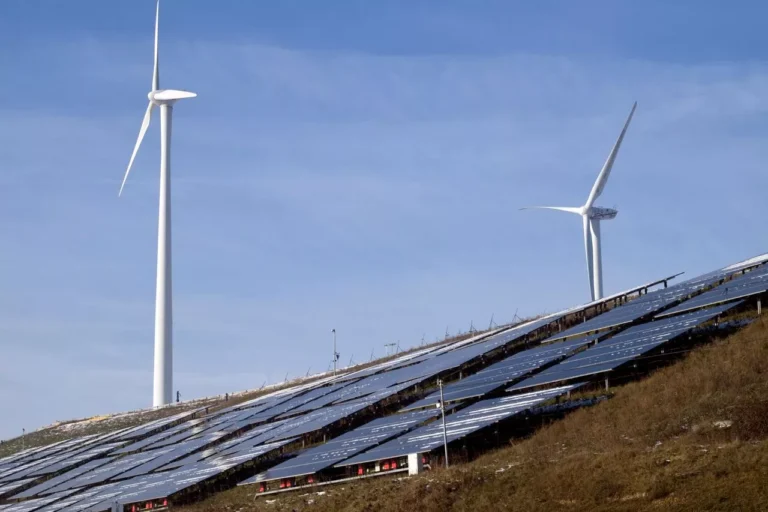
Regional coordination can also support the integration of renewable energy. Solar and wind generation can vary depending on weather and time of day, creating challenges for system operators. A larger market can provide greater flexibility to move electricity between areas, helping balance fluctuations in renewable generation and allowing surplus energy to reach areas where it is needed.
Energy storage resources can similarly benefit from broader market coordination. As battery storage deployment expands throughout the West, organized electricity markets can help coordinate when resources charge and discharge based on system conditions and market requirements. This can improve overall grid flexibility while supporting more efficient utilization of available resources.
BHE Montana expects EDAM participation to provide several key benefits for its customers and the broader regional power system.
First, participation can improve access to lower-cost energy resources by connecting BHE Montana with a larger and more diverse pool of generation. Second, it can help improve the utilization of transmission infrastructure by facilitating more efficient regional energy transfers. Third, day-ahead scheduling can strengthen operational planning by giving utilities greater visibility into expected supply and demand conditions.
The market can also enhance reliability by enabling participants to share resources across the Western Interconnection. During unexpected generation outages, transmission constraints or periods of unusually high demand, access to a broader pool of resources can provide additional options for maintaining system balance.
Another potential benefit is reduced exposure to real-time electricity market volatility. By making resource commitments and energy schedules in advance, participants can better manage expected system requirements and reduce uncertainty associated with last-minute market conditions.
For BHE Montana, the transition from real-time market participation through WEIM to participation in both WEIM and EDAM represents a broader strategy of regional electricity market integration. The company’s planned 2028 entry into EDAM will give it access to both day-ahead and real-time market mechanisms, allowing it to coordinate energy resources across multiple time horizons.
The initiative comes as utilities across the Western United States continue to evaluate ways to improve grid reliability, control costs and accommodate changing electricity demand. Increasing electrification, renewable energy development, energy storage deployment and evolving customer demand are creating new operational requirements for power providers.
Regional electricity markets are intended to address some of these challenges by allowing utilities and other participants to coordinate resources over a wider geographic area. Instead of relying solely on individual balancing areas to manage supply and demand, participants can use market mechanisms to identify available resources and coordinate energy flows across the interconnected grid.
BHE Montana will continue working with CAISO, regional partners, regulators and other stakeholders as it prepares for EDAM participation. The implementation process will involve market integration activities, operational planning, technology preparation and coordination with relevant stakeholders ahead of the company’s planned 2028 market entry.
By committing to EDAM, BHE Montana is positioning itself to build on the benefits it has already experienced through WEIM participation. The company expects expanded regional coordination to create additional opportunities for cost savings, efficient resource utilization and improved system flexibility.
As Western electricity markets continue to develop, BHE Montana’s participation in both real-time and day-ahead markets could provide its customers with greater access to regional energy resources while supporting the reliability and efficiency of the interconnected Western power system.
Source Link: https://www.businesswire.com/