


ABB and BCG Report Highlights Growing Role of Direct Current Technologies
ABB has published a new report examining the strategic role of direct current (DC) technologies in the evolution of electrical power systems, arguing that DC is moving from a specialized application toward a more central position across industrial, commercial and digital infrastructure.
Titled The Strategic Case for Hybrid AC/DC Power: Shaping the Transition to the Next Electrical Architecture, the report was developed by ABB in collaboration with Boston Consulting Group (BCG). It examines how changing patterns of electricity generation and consumption are creating new opportunities for hybrid power architectures that combine alternating current (AC) and direct current.
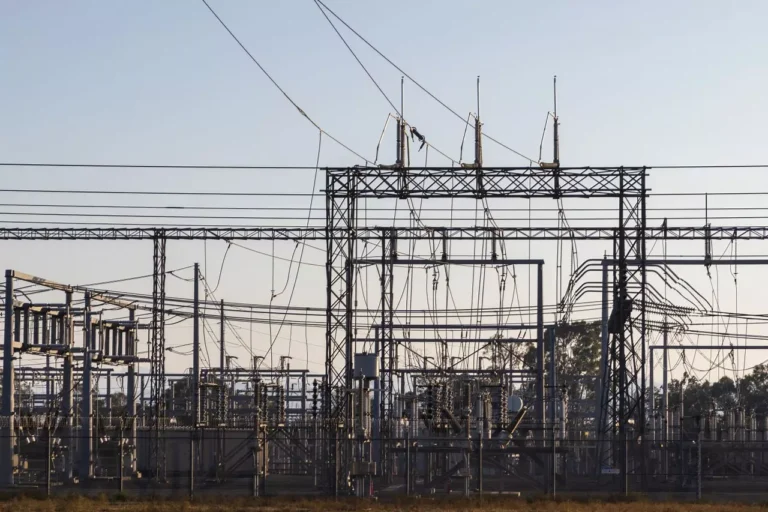
According to the report, the future of electricity distribution is unlikely to involve replacing AC systems entirely with DC. Instead, hybrid architectures are expected to bring together the advantages of both technologies. AC will continue to serve as the backbone of most transmission and regional distribution networks, while DC could become increasingly important inside facilities where many energy sources and electrical loads already operate using direct current.
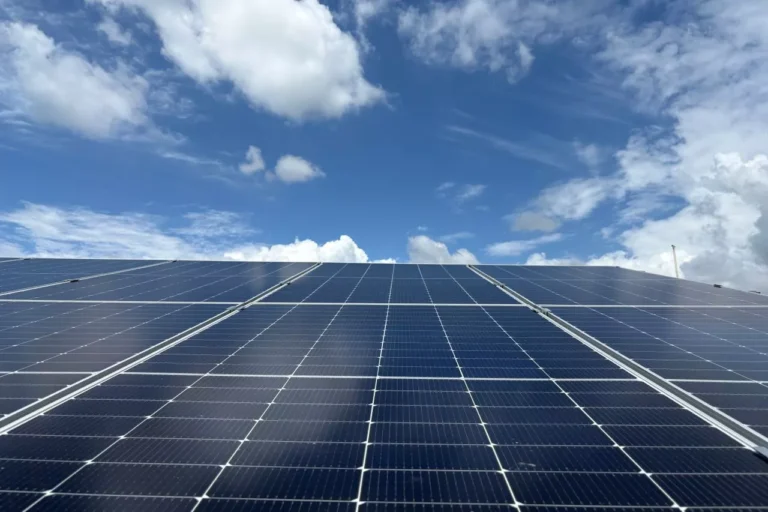
Several of the technologies driving electricity demand and electrification are inherently DC-based. These include solar photovoltaic systems, battery energy storage systems, electric vehicles, artificial intelligence data centers and numerous industrial automation technologies. As deployment of these technologies expands, the report suggests that reducing unnecessary power conversion between generation, storage and consumption could improve overall efficiency and make better use of available grid capacity.
The growing electricity requirements of artificial intelligence infrastructure represent one of the most immediate opportunities for DC adoption. AI data centers are placing increasing demands on electrical systems as computing workloads become more power-intensive and rack-level power densities rise.
The ABB and BCG report identifies 800 VDC distribution as an emerging architecture for next-generation AI data centers. Higher-voltage DC distribution could help operators manage growing electrical loads while making more effective use of constrained grid connections. By reducing the number of conversion stages within the power architecture, DC systems can also provide opportunities to improve energy efficiency and increase the amount of computing capacity supported by an existing electrical connection.
The potential applications extend beyond data centers. The report identifies automation-intensive manufacturing facilities, commercial buildings and, over the longer term, broader building applications as areas where DC systems or subsystems could provide advantages.
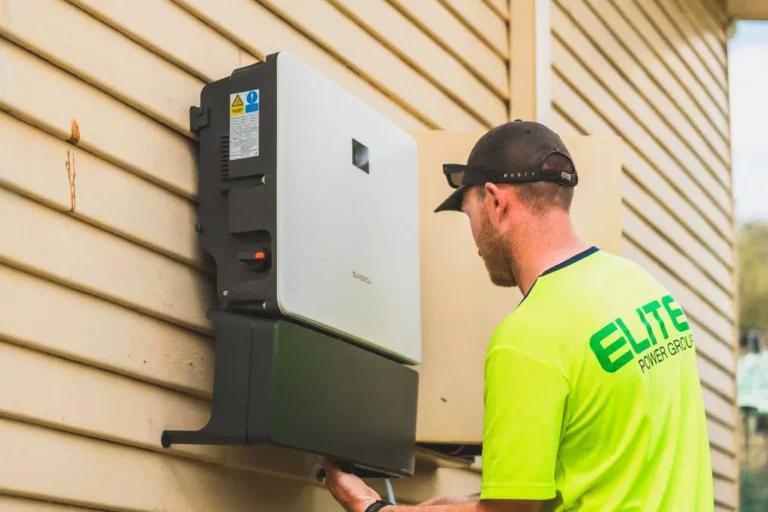
These benefits can include lower conversion losses, improved integration of onsite renewable generation and energy storage, and greater operational flexibility. Facilities with substantial amounts of solar generation, batteries, electric mobility infrastructure or DC-powered equipment may be particularly well positioned to evaluate hybrid architectures.
ABB Chief Executive Officer Morten Wierod said the increasing demand for electricity, combined with constraints on existing infrastructure, makes it important to consider the role DC systems can play in future power networks.
“In a world that will require more power while operating within the constraints of existing infrastructure, enabling broader adoption of DC systems will require stronger collaboration among business leaders, policymakers and technology stakeholders,” Wierod said.
He added that ABB has worked with DC solutions for more than 25 years, helping customers reduce conversion losses, improve power transfer efficiency and lower electricity demand. According to Wierod, broader adoption will require common technologies, harmonized standards and the workforce capabilities needed to implement DC systems at scale.
The report emphasizes that AC and DC should not necessarily be viewed as competing alternatives. Instead, their complementary capabilities could form the basis of a more efficient and flexible electrical infrastructure. Such a hybrid approach could allow organizations to retain established AC networks while introducing DC distribution where it delivers measurable technical or economic benefits.
ABB and BCG also address several longstanding concerns surrounding DC adoption, including questions related to scale, safety and economics. The report argues that advances in modern technologies have changed the assumptions behind some of these concerns. Rather than technical limitations alone, fragmented standards and limited availability of DC-specific skills are identified as important barriers to broader deployment.
Standardization could therefore become a critical factor in accelerating adoption. Harmonized technical requirements could help reduce complexity for organizations deploying DC infrastructure across multiple facilities and applications. At the same time, developing expertise among engineers, electricians, system integrators and other professionals will be important as DC architectures become more common.
ABB has already developed and deployed DC technologies across several applications. The company was the first to demonstrate the potential energy savings of DC in marine applications through a DC-based onboard power system that achieved fuel savings of up to 27 percent.
In 2022, ABB also launched what it described as the industry’s first solid-state circuit breaker, adding another component to its portfolio of DC technologies. The company currently holds more than 700 DC-related patents and is expanding its focus beyond traditional applications.
Current areas of development include electric transport, microgrids and data centers. ABB is also working with industry partners to investigate how DC distribution could contribute to low-carbon aluminum production and green hydrogen production.
The report comes as electricity demand is increasing across multiple sectors, driven by data centers, industrial electrification, transportation, renewable energy and energy storage. At the same time, expanding conventional grid infrastructure can require significant investment and lengthy development timelines.
Against this backdrop, hybrid AC/DC architectures could offer an additional pathway for organizations seeking to accommodate new electrical loads while making more effective use of existing infrastructure. The report argues that decisions made by businesses and policymakers over the next two to three years could influence the pace and direction of DC adoption.
As electrification continues, the role of DC is therefore expected to expand across applications where direct-current generation, storage and loads are already becoming dominant. Rather than signaling an end to AC infrastructure, the transition points toward a power system in which AC and DC operate together, with each technology used where it offers the greatest value.
Source Link: https://www.businesswire.com/