


bp and Iberdrola Launch Green Hydrogen Plant at Castellón Refinery
bp and Iberdrola have officially commenced operations at their 25-megawatt (MW) green hydrogen plant at bp’s Castellón refinery in Spain, marking a significant development in the country’s renewable hydrogen sector. The facility, developed through a 50:50 joint venture between the two energy companies and operated by bp, is currently the largest operational green hydrogen production plant in Spain. It is expected to produce approximately 2,800 tonnes of renewable hydrogen annually, supporting industrial decarbonisation and improving the refinery’s operational efficiency.
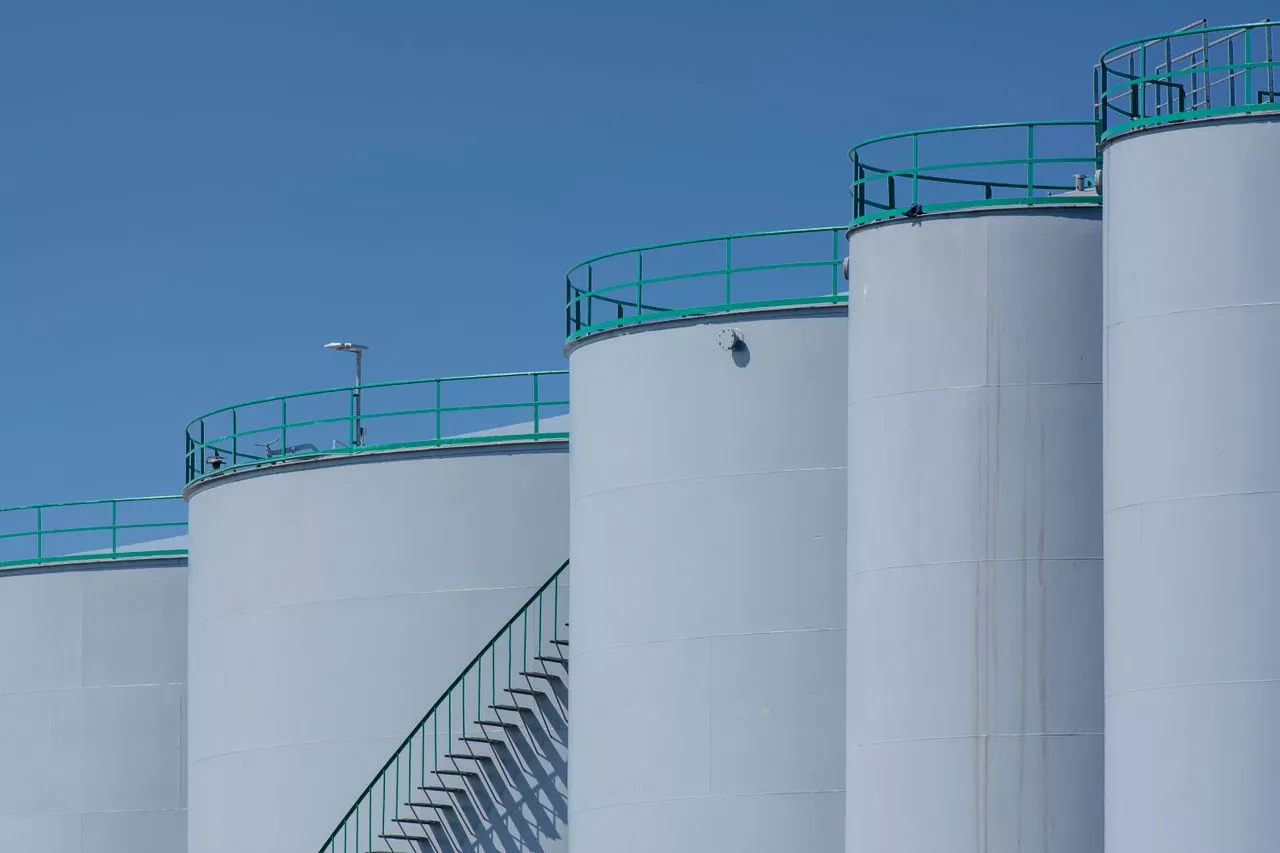
The project represents an important step towards integrating renewable hydrogen into conventional industrial processes. The Castellón refinery supplies fuels to customers across Spain and the wider European market, including products such as aviation fuel, diesel and gasoline. By introducing green hydrogen into its refining operations, bp aims to reduce the carbon intensity of its production activities while maintaining reliable supplies to its customers.
Hydrogen plays an essential role in refining operations, where it is used in several processes to produce cleaner fuels and remove impurities from petroleum products. Traditionally, much of the hydrogen used in refineries is produced from natural gas through processes that generate carbon dioxide emissions. This is commonly known as grey hydrogen.
The new facility will enable bp to replace a portion of the grey hydrogen currently consumed at the Castellón refinery with renewable hydrogen produced using electricity from wind and solar energy. The transition is expected to prevent approximately 23,000 tonnes of carbon dioxide (CO2) emissions annually. In addition to reducing direct emissions associated with hydrogen consumption, the project is expected to help lower the refinery’s carbon-related costs and strengthen its long-term competitiveness.
Renewable electricity is a central component of the plant’s production model. Iberdrola will supply approximately 170 gigawatt-hours (GWh) of renewable electricity annually from its portfolio of wind and solar farms in Spain. The electricity is provided under a power purchase agreement (PPA), ensuring that the facility has access to renewable power for its hydrogen production activities.
Using renewable electricity to produce hydrogen through electrolysis allows the facility to generate hydrogen without relying on conventional fossil-fuel-based production methods. This approach can help industrial companies reduce the emissions associated with energy-intensive processes while supporting the broader development of renewable energy infrastructure.
The partnership also demonstrates how energy companies can combine their capabilities to advance industrial electrification and low-carbon fuel production. bp contributes its refining infrastructure and operational expertise, while Iberdrola provides renewable electricity and experience in developing and supplying clean energy. The joint venture brings these capabilities together to integrate renewable hydrogen into an established industrial facility.
Brenda Stout, SVP of refining, terminals and pipelines at bp, highlighted the importance of the project in supporting the company’s European refining operations and maintaining energy security.
“Our European refineries play an important role in energy security. Closely integrated with our supply, trading and shipping business, they’re helping to meet customer demand for jet fuel, diesel and gasoline. The start-up of the green hydrogen plant with our partner Iberdrola further improves the competitiveness of our Castellón refinery, as we continue to deliver for our customers and shareholders,” Stout said.
Her comments underline the importance of maintaining reliable fuel production while gradually introducing lower-carbon technologies into existing industrial operations. European refineries continue to play a role in supplying essential transport fuels, and projects such as the Castellón hydrogen facility are intended to support emissions reductions without fundamentally changing the infrastructure required to serve customers.
Mario Ruiz-Tagle, CEO of Iberdrola España, also emphasised the contribution of renewable hydrogen to industrial transformation, highlighting its potential to improve competitiveness, create employment opportunities and strengthen energy independence.
“This green hydrogen project shows how innovation and electrification with renewable energy can improve the competitiveness of our industry, create jobs and strengthen our energy autonomy, while reducing emissions from industrial processes such as refining,” Ruiz-Tagle said.
The project also involves the Instituto Tecnológico de la Energía (ITE), which is participating in the initiative. Its involvement reflects the importance of technological research, innovation and technical expertise in advancing renewable hydrogen production and its application across industrial sectors.
Financial support has also contributed to the development of the facility. The initiative received €15 million through incentive programmes designed to encourage innovation and knowledge development across the renewable hydrogen value chain. The funding is managed by Spain’s Institute for Energy Diversification and Saving (IDAE) and supported by the European Union’s NextGenerationEU programme.
The investment forms part of Spain’s Recovery, Transformation and Resilience Plan, which aims to accelerate the country’s economic and energy transition through investments in sustainable infrastructure, clean technologies and industrial innovation. Support for renewable hydrogen projects is intended to encourage the development of production capacity, strengthen domestic supply chains and increase the adoption of hydrogen across sectors that are difficult to decarbonise.
The start of operations at the Castellón plant adds to Spain’s efforts to establish a competitive renewable hydrogen industry. Hydrogen is increasingly being considered an important solution for industrial activities where direct electrification may be difficult or where existing production processes depend heavily on hydrogen as a feedstock.
Refining is one such sector, as hydrogen is required for several essential processes. Replacing fossil-based hydrogen with renewable alternatives offers an opportunity to reduce industrial emissions while retaining the existing infrastructure and production capabilities needed to supply the market.
For bp, the project supports its efforts to improve the environmental performance and competitiveness of its refining operations. For Iberdrola, it expands the industrial applications of renewable electricity and demonstrates how clean power can support the production of low-carbon fuels and industrial materials.
With an expected annual production capacity of 2,800 tonnes and projected emissions reductions of approximately 23,000 tonnes of CO2 per year, the Castellón facility represents a significant addition to Spain’s renewable hydrogen infrastructure. Its operation also highlights the growing role of partnerships between energy producers and industrial companies in advancing the transition towards lower-carbon manufacturing and refining.
As the European energy sector continues to focus on emissions reduction, renewable hydrogen projects are expected to play an important role in transforming energy-intensive industries. The bp and Iberdrola partnership provides an example of how renewable electricity, hydrogen production technology and existing industrial infrastructure can be combined to support more sustainable refining operations.
Source Link: https://www.bp.com/