


Nextpower Receives U.S. Patent for Terrain-Following Solar Tracker Technology
Nextpower™ (Nasdaq: NXT), a provider of clean power technology solutions, has received a new U.S. patent for technology incorporated into its NX Horizon-XTR™ terrain-following solar tracker, strengthening its intellectual property portfolio and advancing solutions designed to simplify utility-scale solar installations on uneven terrain.
The U.S. Patent and Trademark Office (USPTO) issued U.S. Patent No. 12,803,495 covering a tracker design that incorporates a torque tube engineered to adapt to variations in terrain elevation. The technology enables solar tracker systems to accommodate changes in ground level across project sites, potentially reducing the need for extensive grading, earthworks and other site preparation activities.
The patented design is intended to help solar developers construct projects on more challenging landscapes while maintaining installation efficiency and reducing construction complexity. By adapting to elevation changes, the system can provide greater flexibility when planning solar installations across sites with uneven topography.
Nextpower said its terrain-following tracker technology has been deployed on solar projects representing dozens of gigawatts across multiple continents since its introduction. The latest patent further supports the company’s continued development of technology designed to address construction challenges associated with large-scale solar projects.
Utility-scale solar developments are frequently built on land that does not have a uniform elevation. Differences in terrain can create engineering and installation challenges for conventional solar tracker systems, which are typically designed to operate within specific structural and geometric parameters.
Developers often need to modify the ground surface to accommodate tracker installations and ensure equipment is positioned correctly. This can involve substantial grading, excavation and earthmoving operations, increasing project costs and extending construction schedules.
Another approach involves installing custom-length foundation piers at designated locations throughout the site. These piers must be carefully specified and positioned to accommodate variations in terrain while maintaining the required tracker configuration. Although this approach can reduce the need for extensive grading, it may introduce additional engineering requirements, material variations and installation complexity.
Nextpower’s NX Horizon-XTR technology is designed to address these challenges through a tracker architecture that can accommodate terrain variations without requiring the same degree of site preparation associated with conventional approaches.
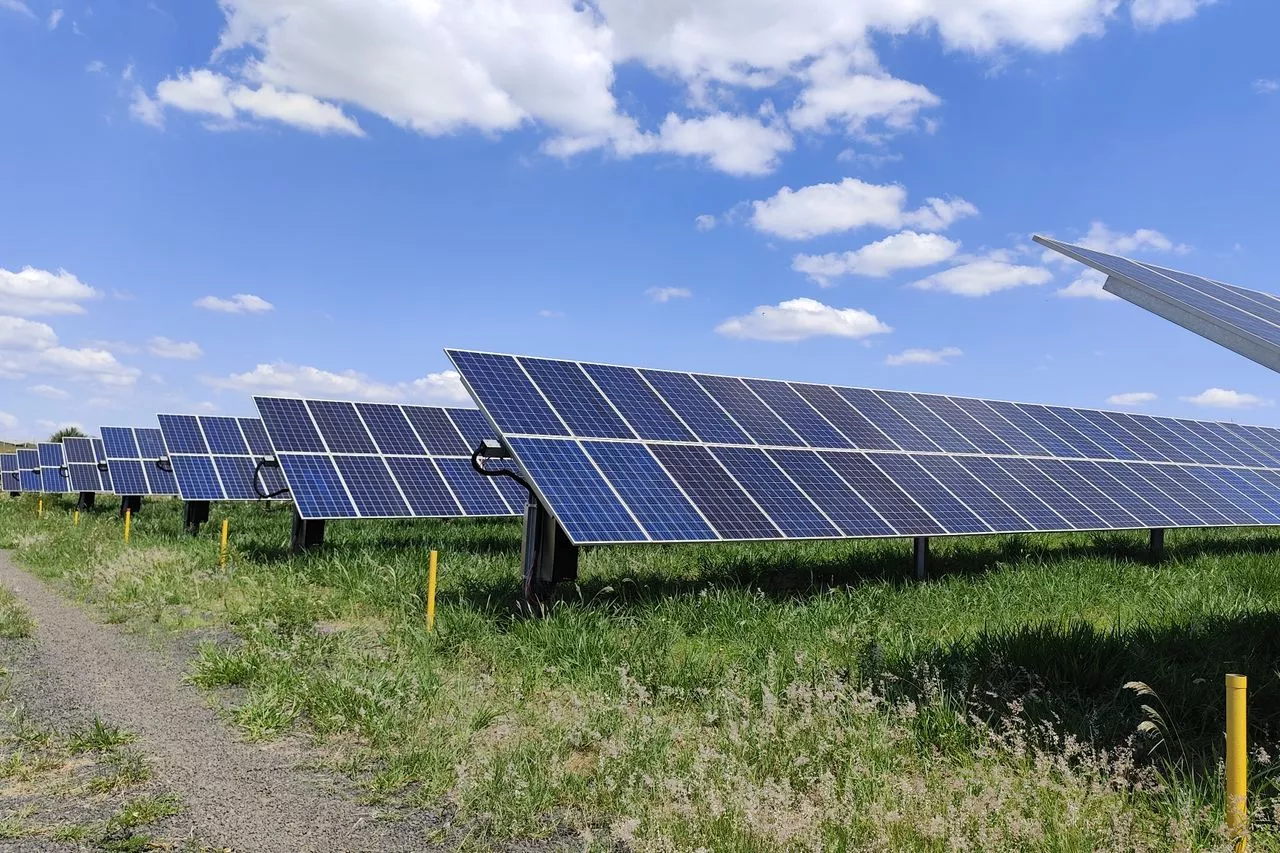
The patented torque tube is engineered with structural flexibility that allows it to change angle as it spans foundation piles installed at different elevations. This design enables the tracker to follow the natural contours of the land while maintaining a consistent pier reveal along each row. The configuration supports the use of standardized pier sizes, helping streamline foundation planning, equipment procurement and field installation.
By allowing the tracker structure to adapt to terrain conditions, the technology may reduce the need for developers to undertake extensive ground modifications before installing solar equipment. Fewer grading requirements can simplify construction planning, reduce the volume of earth moved and potentially lower the resources required for site preparation.
The ability to accommodate elevation differences is particularly relevant for solar projects developed on sloping, rolling or otherwise irregular land. Such locations may present challenges for traditional tracker systems, especially where maintaining consistent alignment and structural geometry requires additional engineering or ground preparation.
NX Horizon-XTR is designed to provide developers with greater flexibility in evaluating potential project locations. Reducing the constraints associated with terrain preparation could enable solar installations to utilize land that might otherwise require more substantial modifications before construction can begin.
The technology also offers potential environmental benefits associated with minimizing earthworks. Extensive grading can disturb existing soil conditions, remove vegetation and alter natural drainage patterns. Reducing the amount of ground disturbance may help preserve topsoil and support vegetation management strategies during and after construction.
Maintaining more of the site’s natural surface can also help limit erosion risks, particularly in areas where rainfall, slopes or exposed soil create additional environmental management challenges. By reducing grading requirements, solar developers may be able to retain more natural vegetation and minimize disruption to surrounding ecosystems.
These considerations are increasingly important as renewable energy developers work to balance project construction requirements with environmental protection, land-use considerations and community expectations. Limiting earthmoving activities may also help projects address permitting requirements and concerns raised by local stakeholders regarding changes to land conditions during construction.
Nextpower’s terrain-following technology is intended to support more adaptable solar project development while helping developers manage construction requirements across a wider range of site conditions. The design combines structural flexibility with an approach aimed at maintaining consistent installation practices, potentially offering advantages in project engineering and execution.
The latest patent represents the second patent issued within this technology family. The earlier patent, U.S. Patent No. 12,301,164, was issued on May 13, 2025. Together, the patents cover elements of Nextpower’s terrain-following tracker technology and reflect the company’s continued investment in engineering solutions for utility-scale solar applications.
Nextpower maintains an intellectual property portfolio comprising more than 1,600 issued patents and pending patent applications. These intellectual property assets support innovation across the company’s clean power technology portfolio and include technologies developed to address challenges in solar project design, construction and operation.
The company continues to focus on developing solutions intended to improve the efficiency, adaptability and deployment of solar energy infrastructure. Its tracker technologies are designed to help solar developers respond to different site conditions while supporting the construction of large-scale renewable energy projects.
The newly issued U.S. patent provides additional protection for the NX Horizon-XTR terrain-following design and reinforces Nextpower’s efforts to expand its technology offerings for solar developers operating across varied geographic and topographic conditions.
As utility-scale solar deployment continues to expand, technologies that simplify construction and reduce site preparation requirements may play an important role in project development. Nextpower’s patented terrain-following approach is designed to address these needs by enabling tracker structures to accommodate changes in elevation while reducing reliance on extensive grading and customized foundation configurations.
The patent highlights the company’s ongoing work to develop engineering solutions that address practical challenges faced by solar developers and support broader deployment of clean power infrastructure.
The company’s approach is intended to support the development of solar projects on land with varying elevations while helping developers manage construction requirements across a wider range of site conditions. The design combines structural flexibility with an approach aimed at maintaining consistent installation practices, potentially offering advantages in project engineering and execution.
The latest patent represents the second patent issued within this technology family. The earlier patent, U.S. Patent No. 12,301,164, was issued on May 13, 2025. Together, the patents cover elements of Nextpower’s terrain-following tracker technology and reflect the company’s continued investment in engineering solutions for utility-scale solar applications.
Nextpower maintains an intellectual property portfolio comprising more than 1,600 issued patents and pending patent applications. These intellectual property assets support innovation across the company’s clean power technology portfolio and include technologies developed to address challenges in solar project design, construction and operation.
The company continues to focus on developing solutions intended to improve the efficiency, adaptability and deployment of solar energy infrastructure. Its tracker technologies are designed to help solar developers respond to different site conditions while supporting the construction of large-scale renewable energy projects.
The newly issued U.S. patent provides additional protection for the NX Horizon-XTR terrain-following design and reinforces Nextpower’s efforts to expand its technology offerings for solar developers operating across varied geographic and topographic conditions.
As utility-scale solar deployment continues to expand, technologies that simplify construction and reduce site preparation requirements may play an important role in project development. Nextpower’s patented terrain-following approach is designed to address these needs by enabling tracker structures to accommodate changes in elevation while reducing reliance on extensive grading and customized foundation configurations.
The patent highlights the company’s ongoing work to develop engineering solutions that address practical challenges faced by solar developers and support broader deployment of clean power infrastructure.
Source Link: https://nextpower.com/