


Cadeler Secures Exclusive Agreement for Large-Scale UK Offshore Wind Project
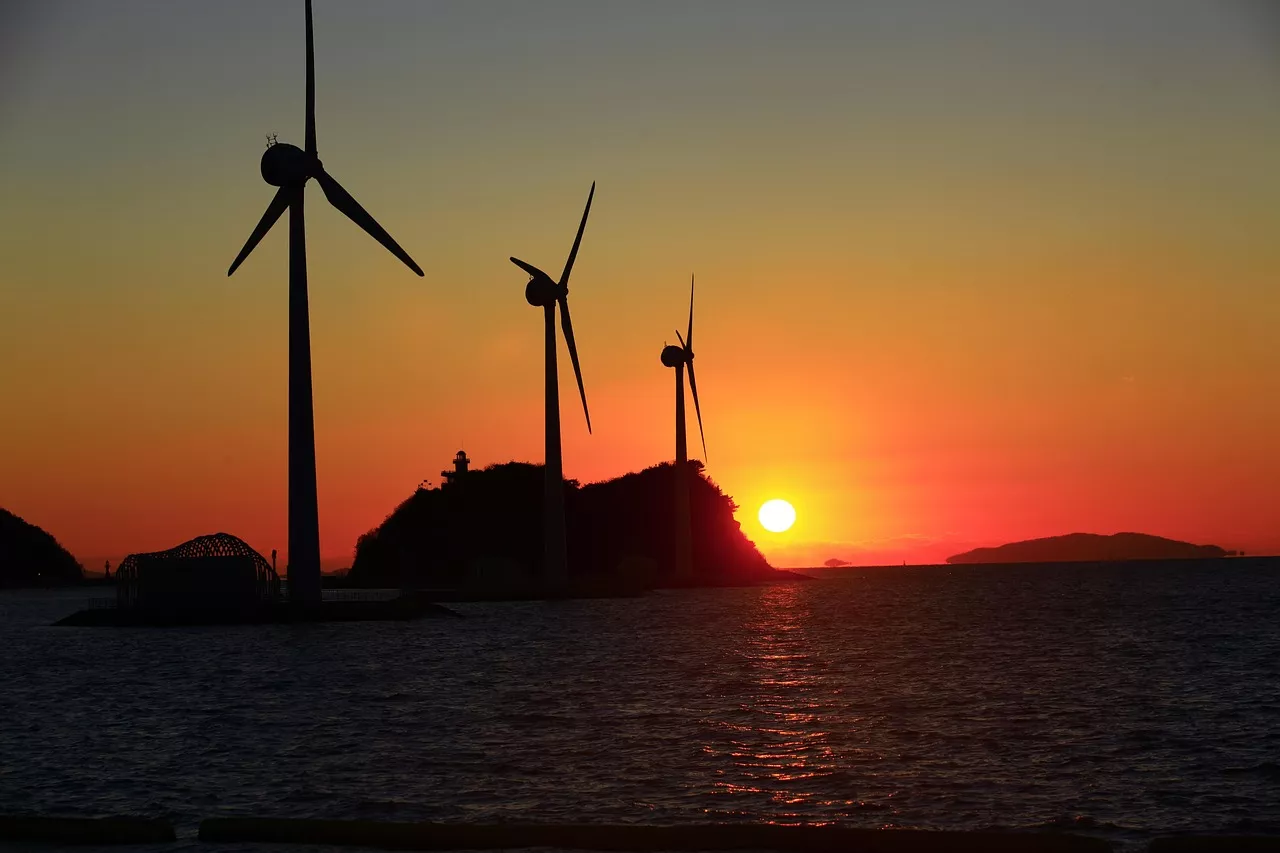
Cadeler plc has signed an exclusivity agreement with an undisclosed client covering the installation of wind turbines and foundations at a large-scale offshore wind farm in the United Kingdom. The agreement marks a further step in the company’s involvement in major offshore wind developments and highlights the importance of planning specialist installation capacity well ahead of construction. The announcement does not disclose the client or project specifications.
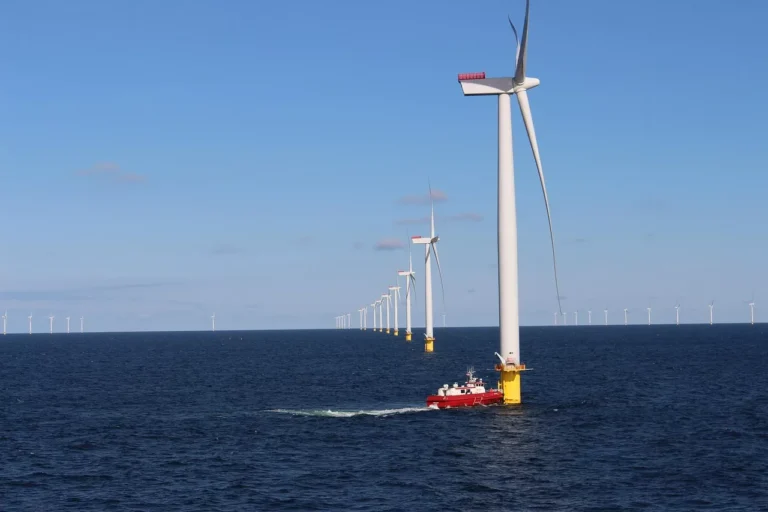
Under the proposed project scope, Cadeler is expected to undertake both foundation and wind turbine installation work. The installation campaign is currently anticipated to begin around 2030. The foundation installation campaign is expected to be carried out using two vessels from Cadeler’s fleet: one A-Class vessel and one O-Class vessel. A P-Class vessel is planned for the installation of the wind turbines.
An exclusivity agreement provides a framework for the parties to progress their discussions with Cadeler as the preferred installation provider for the stated work. It is an important development in the project’s preparation, although it should not be confused with a fully detailed public announcement of all contractual terms. The information released by Cadeler identifies the intended installation activities, the vessel classes expected to be deployed and the anticipated start period, while other project specifications have not been made public.
For offshore wind developers, access to suitable installation vessels is a central consideration in planning construction schedules. Foundation and turbine installation require specialised vessels, equipment and experienced offshore teams. The work also needs to be coordinated with the wider project programme, including the delivery of components and the sequencing of offshore construction activities. Securing installation capacity early can help developers establish a clearer basis for planning these complex operations.
The expected use of different vessel classes for the foundation and turbine campaigns reflects the distinct requirements of the two installation stages. Foundations provide the structural support for offshore wind turbines and must be installed at the project site before the turbines can be erected. The subsequent turbine installation phase involves transporting and lifting major wind turbine components into position offshore. Assigning the work to vessels suited to the respective campaigns is an important part of preparing an installation strategy.
Cadeler’s announcement also points to the role of its fleet in supporting projects with multiple, substantial installation requirements. The company says the agreement is an endorsement of its vessels, workforce and ability to deliver increasingly large and complex offshore wind projects. The planned deployment of an A-Class vessel and an O-Class vessel for foundations, followed by a P-Class vessel for turbines, sets out the broad fleet arrangement currently envisaged for the campaign.
Mikkel Gleerup, chief executive officer of Cadeler, welcomed the agreement and highlighted the capabilities behind the company’s offshore installation work. “We are very pleased to announce this significant project, which is another important endorsement of the capabilities of our fleet, the experience of our people and Cadeler’s ability to deliver increasingly large and complex offshore wind projects,” Gleerup said.
His comments underline the importance Cadeler places on combining its vessel capabilities with the knowledge and experience of its teams. Offshore wind installation is a coordinated activity that depends on specialised marine assets and personnel able to carry out demanding work at sea. The company’s statement positions the agreement as recognition of those capabilities and of its role in the development of large-scale offshore wind infrastructure.
The anticipated start around 2030 places the installation campaign several years ahead. That timeframe gives the project and its installation partners a long lead-in period before offshore work is expected to begin. Large offshore wind developments typically require extensive preparation, and the availability of appropriate vessels is one of the factors that must be considered as plans progress. The early agreement is therefore relevant to the project’s longer-term installation planning.
Source Link: https://www.businesswire.com/