

GE Vernova to Deliver 6 GW HVDC Transmission Corridor in India
GE Vernova (NYSE: GEV) has been officially selected by Power Grid Corporation of India Limited (PGCIL) to deliver a major 6-gigawatt (GW) high-voltage direct current (HVDC) transmission corridor in India. The project, booked in the fourth quarter of 2026, will strengthen the country’s electricity transmission infrastructure and support the integration of large-scale renewable energy into the national power grid.
The planned transmission corridor will transport up to 6 GW of electricity from Barmer in Rajasthan, a region with significant renewable energy potential, to South Kalamb, a major electricity consumption center. The project is intended to establish an important connection between renewable energy generation areas and regions with substantial electricity demand.
As India continues to expand its renewable energy capacity, developing reliable transmission infrastructure has become increasingly important. Solar and wind power generation facilities are often located far from major cities and industrial centers. High-capacity transmission systems are therefore required to move electricity efficiently from generation locations to consumers while maintaining the stability of the national grid.
The 800-kilovolt (kV) HVDC corridor is expected to play an important role in addressing these requirements. By providing a dedicated transmission connection between Rajasthan and South Kalamb, the project will help facilitate the movement of large volumes of renewable electricity across the country.
India’s electricity demand continues to increase as economic development, industrial expansion, urbanization and electrification drive higher consumption. Businesses, manufacturing facilities, infrastructure operators and households increasingly depend on a stable and continuous electricity supply. Strengthening the national transmission network is consequently a key part of ensuring that additional generation capacity can be delivered reliably to demand centers.
The Barmer–South Kalamb project is designed to support these requirements by providing a high-capacity connection capable of transferring electricity over long distances. It will also contribute to the integration of renewable energy resources into the wider electricity system, supporting India’s efforts to reduce carbon emissions and develop a more sustainable energy sector.
Philippe Piron, President and Chief Executive Officer of GE Vernova’s Electrification Segment, said India is leading the global energy transition through large-scale renewable energy development and changing electricity grid requirements.
He explained that the transmission project represents an investment in both electricity transportation capacity and the long-term reliability of India’s power infrastructure. According to Piron, the project will help connect renewable energy production with national electricity consumption through advanced transmission technology.
Piron also emphasized GE Vernova’s commitment to working with PGCIL to deploy the necessary technology and infrastructure. The collaboration is intended to support long-term system performance while helping address the technical challenges associated with integrating increasing volumes of renewable electricity into the national grid.
Sandeep Zanzaria, Chief Executive Officer and Managing Director of GE Vernova T&D India, highlighted the importance of developing strong transmission infrastructure as India accelerates its renewable energy expansion.
Zanzaria described the Barmer–South Kalamb HVDC corridor as a strategic project for PGCIL. The connection is designed to integrate substantial renewable energy capacity from Rajasthan into India’s national electricity network.
He noted that advanced transmission technologies will help strengthen the country’s power infrastructure and support the delivery of reliable, high-quality electricity to consumers across different regions. The project also reflects India’s broader commitment to developing a sustainable and resilient electricity system capable of meeting future demand.
Under the agreement, GE Vernova will provide the complete engineering and design for a ±800 kV, 6,000-megawatt (MW) bipolar HVDC transmission link connecting the Barmer II and South Kalamb substations.
The transmission system will have a total capacity of 6,000 MW, configured as two 3,000 MW transmission systems. This arrangement is designed to provide the high-volume electricity transfer capability required to connect renewable energy generation areas with distant electricity consumption centers.
GE Vernova’s responsibilities will cover the major stages of project execution. The company will undertake the design and engineering of the transmission system, establish new converter stations and supply the principal equipment required for the HVDC infrastructure.
Its project responsibilities will also include managing site erection, testing and commissioning activities. By overseeing these activities as part of an integrated delivery scope, GE Vernova will coordinate the different technical and operational requirements involved in establishing the transmission corridor.
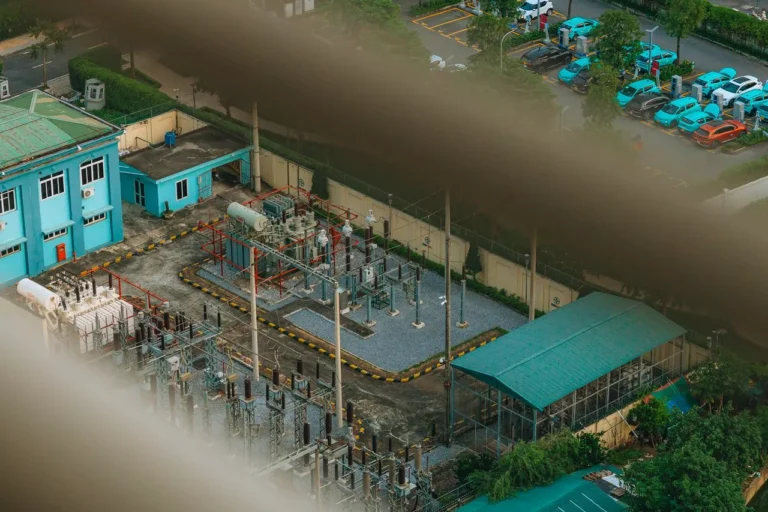
The converter stations will form a central part of the HVDC system. These facilities are required to convert electricity between alternating current (AC) and direct current (DC), allowing power to be transmitted through the HVDC network and subsequently delivered into the receiving electricity grid.
HVDC technology is particularly important for transmitting large amounts of electricity over long distances. It can provide greater control over power flows and help connect generation resources located far from major consumption centers. These capabilities make HVDC systems an important option for countries seeking to expand renewable energy transmission infrastructure.
The Barmer–South Kalamb corridor will incorporate GE Vernova’s advanced Line Commutated Converter (LCC) valve technology. The equipment will be manufactured at the company’s Pallavaram factory in India, supporting the project’s equipment supply requirements through domestic manufacturing operations.
The use of LCC valve technology will support the conversion processes required for the high-voltage transmission system. Converter technology is essential to HVDC infrastructure because it enables electricity to move between the direct-current transmission network and the alternating-current grids connected to it.
The project will also feature GE Vernova’s eLumina™ control system. This digital control technology is designed to manage complex electricity flows and provide the operational intelligence required to coordinate the transmission system.
Managing electricity flows is particularly important for networks that integrate large amounts of renewable energy. Solar and wind generation can vary depending on weather conditions, making effective monitoring and control essential for maintaining grid performance.
The eLumina™ system will support the management of these changing operating conditions, helping the transmission infrastructure respond to variations in power flows. Its inclusion is intended to strengthen the operational capabilities of the HVDC link and support the reliable transfer of electricity between the connected regions.
The project also represents another development in GE Vernova’s long-standing relationship with Power Grid Corporation of India Limited. The two organizations have previously worked together on power transmission infrastructure, and the new agreement further reinforces their collaboration in supporting India’s electricity network.
For PGCIL, the development of high-capacity transmission infrastructure is an important part of connecting renewable energy generation projects with electricity demand centers. As renewable energy capacity expands across India, transmission corridors will be increasingly necessary to ensure that electricity generated in resource-rich regions can reach consumers and industrial users.
For GE Vernova, the project strengthens its participation in India’s expanding electricity transmission market and demonstrates the role of advanced HVDC technology in supporting large-scale renewable energy integration.
The Barmer–South Kalamb corridor is expected to contribute to India’s long-term grid modernization objectives by improving the country’s ability to transport electricity across regions. Through its 6 GW capacity, converter station infrastructure, advanced valve technology and digital control systems, the project will support the development of a more interconnected and resilient power network.
The collaboration between GE Vernova and PGCIL reflects the growing importance of transmission investment as India works to balance rising electricity consumption with its renewable energy ambitions. By strengthening the connection between renewable generation and national demand, the project will help establish infrastructure needed for the country’s evolving energy system.
As India continues its transition toward a lower-carbon electricity sector, projects such as the Barmer–South Kalamb HVDC corridor will remain important to ensuring that renewable energy resources can be transmitted efficiently, supporting electricity reliability, industrial development and the country’s broader decarbonization objectives.
Source Link: https://www.gevernova.com/