

H2SITE Secures EU Funding for Rotterdam Industrial-Scale Ammonia Cracking Project
H2SITE has been selected to receive support from the European Union’s Innovation Fund for the development of an industrial-scale ammonia cracking project in Rotterdam, the Netherlands. The selection represents a significant milestone in the company’s efforts to expand its hydrogen technology and accelerate the deployment of industrial solutions designed to support the decarbonisation of hard-to-abate industries. The funding remains subject to the formalisation of the grant agreement.
The proposed project aims to recover and purify hydrogen from imported ammonia near major industrial consumption centres. By establishing ammonia cracking capabilities close to existing industrial facilities, H2SITE intends to help address important challenges associated with hydrogen transportation, distribution and supply. The initiative is expected to contribute to the development of a more integrated hydrogen value chain in Europe while supporting the growing demand for lower-carbon energy and industrial feedstocks.
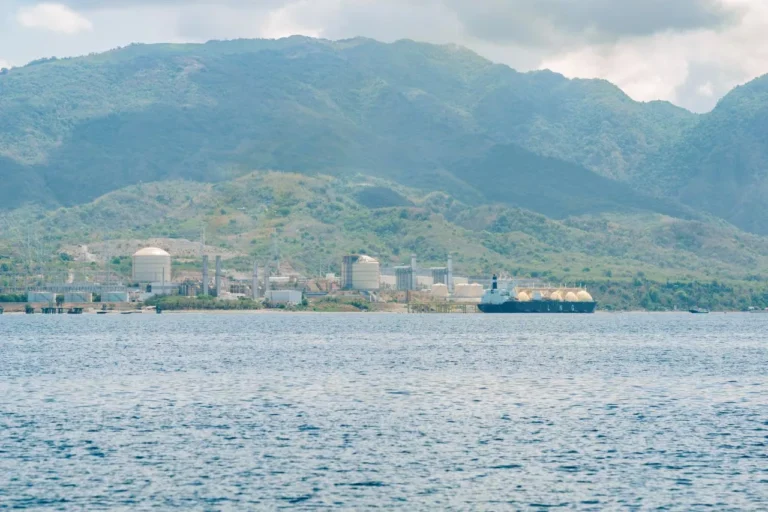
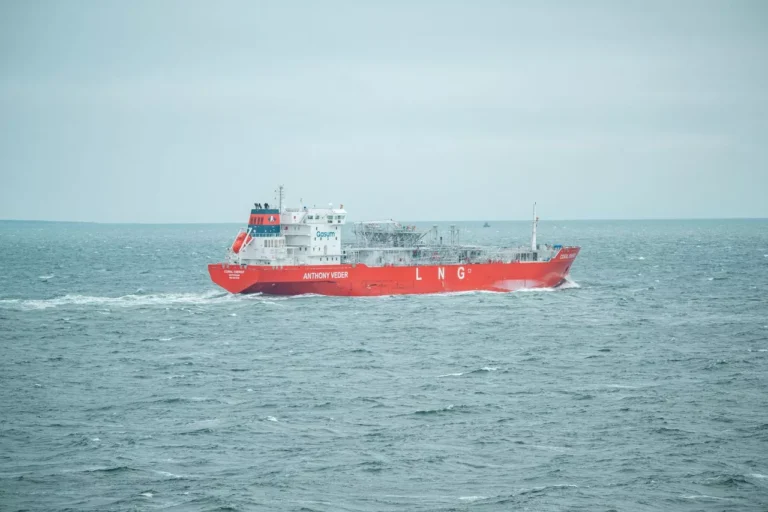
Ammonia is increasingly being considered as a practical carrier for transporting hydrogen over long distances. It can be produced in regions with access to renewable energy resources and transported through established maritime supply chains. At the destination, ammonia can be converted back into hydrogen through a process known as ammonia cracking. The recovered hydrogen can then be purified and supplied to industrial users requiring hydrogen for their operations.
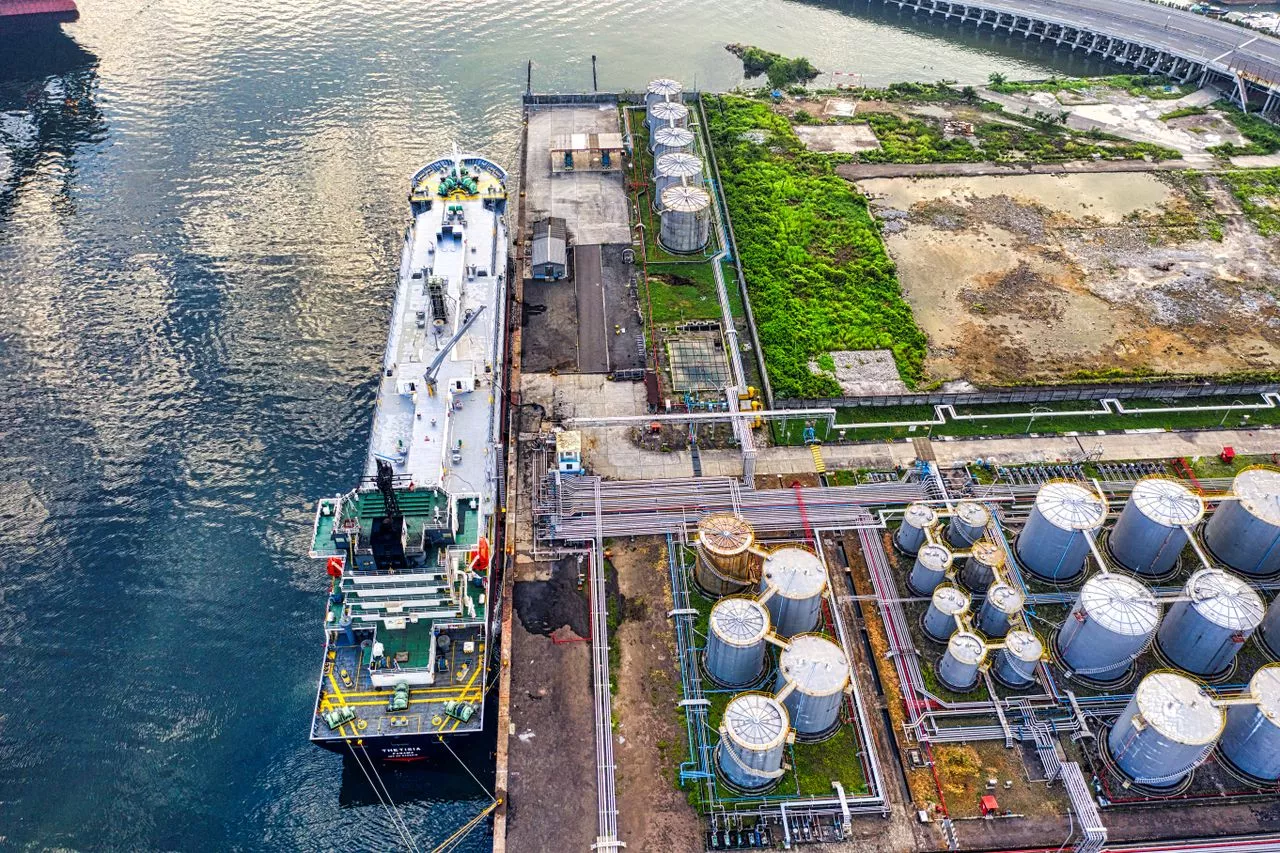
The Rotterdam project is intended to demonstrate how this approach can be implemented at industrial scale. By combining ammonia reception, storage, conversion and hydrogen purification capabilities, the development could provide an integrated solution for supplying hydrogen to industries located near major ports and industrial clusters.
Developing an Integrated Industrial Hydrogen Value Chain
H2SITE is working closely with industrial stakeholders in Rotterdam to establish how the proposed facility could be integrated across the entire value chain. The development involves several interconnected activities, beginning with ammonia reception and storage and extending through the cracking process, hydrogen purification and eventual distribution to industrial customers.
The coordination of these activities will be important to the successful implementation of the project. Technology providers, infrastructure operators and industrial partners will need to work together to determine the technical requirements, operating procedures and commercial arrangements necessary for an industrial-scale installation.
The integration process will also require careful consideration of safety, reliability and operational performance. Ammonia handling and storage require specialised infrastructure and procedures, while hydrogen production and purification systems must meet the requirements of industrial consumers. Ensuring compatibility between these components will be essential to achieving efficient operation.
Rotterdam provides an important industrial setting for the proposed development because of its established port infrastructure and concentration of industrial activities. The location offers opportunities to connect imported energy carriers with industrial customers and infrastructure operators involved in the emerging European hydrogen economy.
The project is currently under development, and several important steps must be completed before construction and implementation can proceed. H2SITE has indicated that a final investment decision will depend on the completion of the necessary engineering and permitting activities, the establishment of commercial agreements and the securing of financing.
These requirements will determine the project’s technical configuration, investment structure and commercial viability. The company will continue working with relevant industrial stakeholders as it advances the development and evaluates the requirements for moving towards implementation.
Palladium-Alloy Membrane Technology
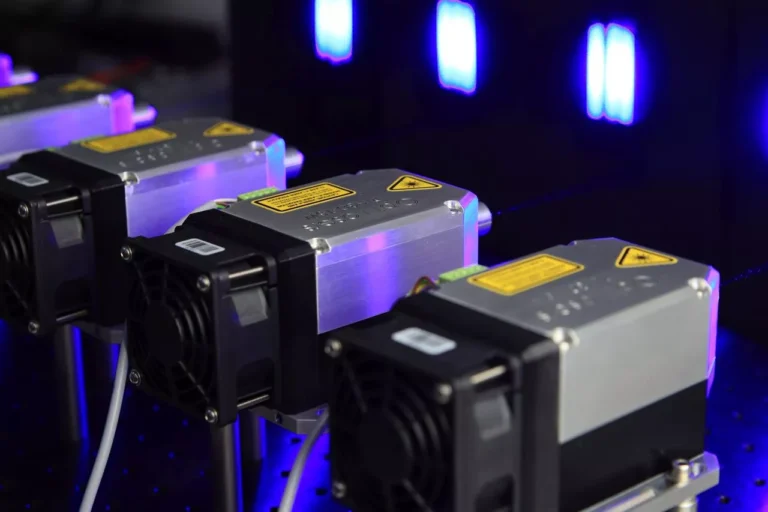
The proposed Rotterdam facility will build on H2SITE’s proprietary palladium-alloy membrane technology, which is designed to support hydrogen production and separation applications. The technology forms a central part of the company’s strategy to develop industrial hydrogen solutions capable of addressing the technical requirements of different industrial markets.
Membrane-based separation systems can be used to selectively recover hydrogen from gas mixtures. In ammonia cracking applications, the technology can support the purification of hydrogen produced through the conversion process. This capability is particularly important for industrial customers that require hydrogen meeting specific purity standards for their production activities.
H2SITE is developing its technology with a focus on scaling up equipment and manufacturing capabilities to meet the needs of larger industrial installations. The company has established its own manufacturing plant in Europe, giving it in-house production capabilities alongside engineering and industrial expertise.
This manufacturing infrastructure is intended to support the development and delivery of larger ammonia cracking and hydrogen purification projects. Having production capabilities within Europe also provides the company with greater control over technology development, equipment manufacturing and the industrialisation process.
The Rotterdam project represents an opportunity to advance the company’s membrane technology beyond smaller-scale development activities and towards broader industrial deployment. Scaling up the equipment will require engineering development, manufacturing preparation and close coordination with industrial partners responsible for integrating the technology into operating facilities.
H2SITE’s approach combines proprietary membrane technology with industrial project development. The company is seeking to demonstrate how its systems can be incorporated into hydrogen infrastructure and used to supply purified hydrogen to sectors where reducing emissions remains technically challenging.
European Support for Industrial Deployment
The selection for support under the European Union’s Innovation Fund provides an important opportunity for H2SITE to advance its industrial ambitions. The Innovation Fund supports the development and deployment of innovative technologies intended to contribute to Europe’s climate objectives and industrial transition.
For companies developing emerging energy technologies, moving from technical development to commercial-scale implementation can involve substantial engineering, financial and operational challenges. Support from European funding programmes can help advance projects through development activities and encourage cooperation between technology companies, infrastructure operators and industrial customers.
For H2SITE, the selection is particularly relevant to its efforts to establish larger-scale ammonia cracking and hydrogen purification capabilities in Europe. The company views the proposed Rotterdam development as part of a broader industrialisation strategy focused on bringing its hydrogen production and separation technologies into commercial applications.
Commenting on the company’s progress, Andrés Galnares, CEO of H2SITE, highlighted the development of its membrane technology and the importance of European support in advancing industrial deployment.
“Just a few years ago, we were working with 25-centimetre membranes. Today, we are developing projects that can turn that technology into new industrial capabilities in Europe. We are proud of that progress, and European support is critical to making the transition from technology development to industrial deployment,” Galnares said.
He added that the company’s priority is to collaborate with experienced industrial partners to deliver safe and reliable solutions for industries that are difficult to decarbonise.
Expanding Hydrogen Technology Applications
The Rotterdam initiative forms part of H2SITE’s wider strategy to industrialise its hydrogen production and separation technologies. By developing solutions for ammonia cracking and hydrogen purification, the company is targeting applications that could support the expansion of hydrogen supply infrastructure and industrial decarbonisation.
Industries with high energy requirements and specialised production processes face particular challenges when transitioning away from conventional fossil fuels. Hydrogen could provide an alternative energy source and industrial feedstock for several of these applications, provided that reliable production, transportation and purification infrastructure is available.
Ammonia-based hydrogen transportation offers one potential route for connecting hydrogen production regions with major industrial demand centres. However, successful deployment depends on efficient conversion technologies, suitable storage facilities, distribution infrastructure and commercially viable supply arrangements.
Through the proposed Rotterdam project, H2SITE aims to contribute to addressing these requirements by combining its membrane technology with an integrated industrial development approach.
The EU Innovation Fund selection provides an important foundation for the next stage of project development, although the final investment decision remains dependent on engineering, permitting, financing and commercial agreements. As these activities progress, H2SITE will continue working with industrial stakeholders to evaluate the technical and commercial requirements for implementation.
The company’s longer-term objective is to expand the industrial application of its proprietary technology and support the development of hydrogen infrastructure across Europe. The Rotterdam project represents a potential step towards that objective, demonstrating how ammonia cracking and hydrogen purification technologies could become part of the region’s evolving industrial energy systems.
Source Link: https://www.businesswire.com/