

Switched Source Raises $17 Million to Expand Grid Capacity for Utilities
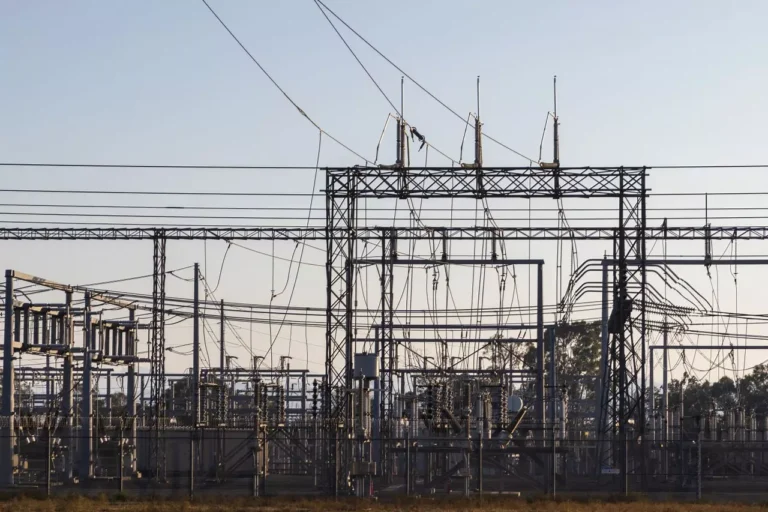
Switched Source, a developer of grid-enhancing distribution automation technologies, has secured more than $17 million in funding to expand production of its Phase-EQ technology and help utilities increase electricity distribution capacity. The investment comes as power demand continues to rise, placing pressure on existing electrical infrastructure and increasing the need for solutions that can be deployed faster and more economically than conventional grid upgrades.
Cubit Capital led the funding round, with participation from ABB, Emerald Technology Ventures, Red Cedar Ventures, Southern States, Southwire Company, and other strategic investors. The funding will support expanded manufacturing and production capabilities, enabling Switched Source to meet growing utility demand and advance a broader pipeline of Phase-EQ deployments across North America.
The company also plans to add manufacturing, quality, and supply chain positions at its Chicago headquarters. Alongside production expansion, Switched Source will continue developing additional technologies designed to improve the performance, flexibility, and capacity of utility distribution systems.
Charles Murray, co-founder and chief executive officer of Switched Source, said utilities are preparing for an electricity grid that is changing rapidly. However, many conventional infrastructure solutions require years to implement and can commit utilities to investments intended to remain in service for more than four decades.
Murray said utilities need more options that can be deployed quickly, improve existing grid assets, and maintain flexibility as electricity demand changes. He added that the new funding would help the company deliver these technologies to utilities as affordability, reliability, and speed of power delivery become increasingly important.
Supporting Utility Modernization and Resilience
The investment builds on Switched Source’s existing utility partnerships and participation in public-sector infrastructure programs. The company recently launched a five-year project valued at $99 million through the U.S. Department of Energy’s Grid Resilience and Innovation Partnerships program.
The initiative will support deployment of Phase-EQ units in the southeastern United States, with a focus on improving storm restoration and strengthening distribution grid resilience.
During severe weather events and other disruptions, utilities may need to reconfigure distribution feeders to restore electricity to affected customers. Such changes can create imbalances in power flows and increase the risk of overloading already constrained lines. Phase-EQ technology is intended to help utilities rebalance electricity across distribution circuits during these operational changes.
By supporting more flexible power distribution, the project aims to help utilities restore service more quickly, manage changing network conditions, and reduce the risk of capacity constraints. The initiative also demonstrates how distribution automation technologies can contribute to grid resilience without relying exclusively on extensive new infrastructure construction.
Philip Carson, a partner at Cubit Capital, said grid capacity has become an increasingly important challenge for utilities, businesses, and the communities they serve. He noted that Switched Source combines utility-market expertise with technology that has demonstrated its capabilities in operating environments.
According to Carson, major utility deployments already underway provide a foundation for the company’s next stage of growth and offer a practical approach to modernizing electricity infrastructure at scale.
Phase-EQ Technology Increases Existing Grid Capacity
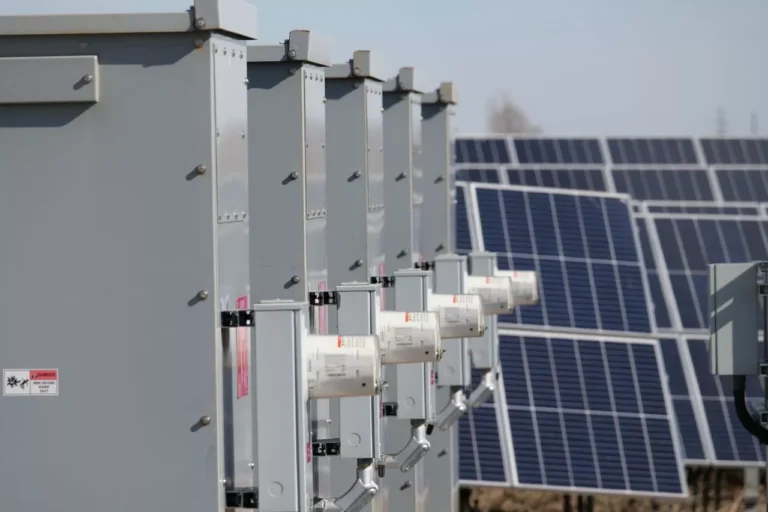
Switched Source’s flagship Phase-EQ system is an automated power-flow control device designed for electricity distribution networks. It dynamically balances power across the three electrical phases used in distribution circuits, helping utilities improve reliability and power quality while making additional capacity available from infrastructure already in service.
Distribution circuits can experience uneven electrical loading as customer demand changes. The expansion of electric vehicle charging, heat pumps, and other electrification technologies can create increasingly variable loads, placing additional pressure on existing equipment and distribution lines.
Phase-EQ is designed to address these conditions by adjusting power flows across the three phases. This approach can help utilities use existing infrastructure more efficiently and accommodate additional customers without immediately requiring conventional construction projects.
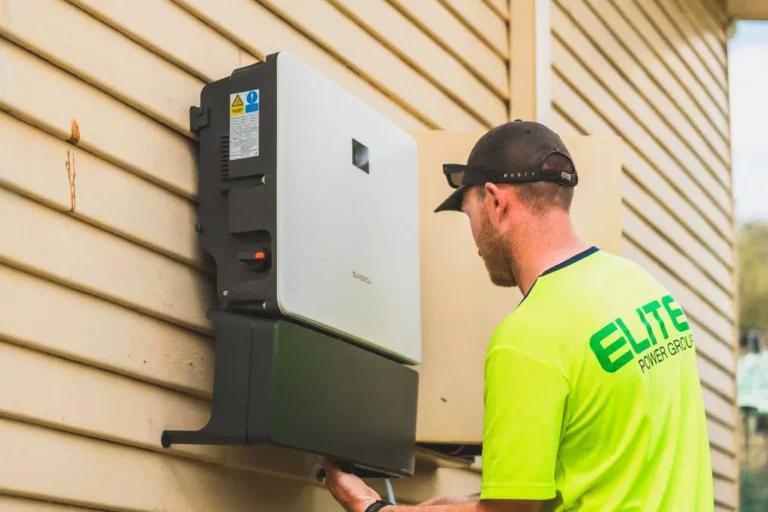
According to Switched Source, each Phase-EQ installation can enable an additional 100 to 200 homes to connect to the electricity network. The technology therefore offers utilities another option for serving growing residential demand while potentially reducing the need for expensive and time-consuming distribution upgrades.
Deni Miller, ABB’s U.S. electrification business lead, said utilities need technologies that integrate with existing electrical systems while improving distribution grid flexibility and performance. Miller described Switched Source’s approach as field-tested and said it could help utilities add capacity, improve efficiency, and prepare their networks for continued demand growth.
Field Deployments Demonstrate Operational Benefits
Switched Source reported that its technology has accumulated more than 150,000 operating hours across 12 utilities. Field data from active deployments indicate increases of between 10% and 25% in load-serving capacity.
These results suggest that targeted distribution automation can provide additional capacity within existing networks, although outcomes may vary according to local grid conditions, equipment configurations, and customer demand.
Deployment speed is another important consideration for utilities planning network upgrades. Switched Source said the typical period from purchase order to site activation ranges from 14 to 20 weeks. By comparison, many traditional distribution infrastructure upgrades can require one to three years.
Shorter implementation timelines may help utilities respond to near-term electricity demand, connect new customers, and manage localized capacity constraints while longer-term infrastructure projects proceed.
Frank Balas, senior investment director at Emerald Technology Ventures, said utilities are showing increased interest in non-wires solutions as they seek to improve reliability while keeping customer costs affordable. He added that Switched Source understands utility decision-making and has developed a practical technology for unlocking existing grid capacity.
Balas said these capabilities could help utilities address rising demand more quickly and cost-effectively.
Strategic Investment Supports Further Expansion
Southern States also highlighted the growing importance of advanced distribution technologies as electricity demand and grid complexity increase.
John Paserba, president and chief executive officer of Southern States, said the distribution grid will require solid-state solutions to accommodate these changes. He described Switched Source as an established technology provider with deployed equipment delivering measurable benefits to utilities and their customers.
The participation of industrial technology companies, investment firms, and strategic partners provides Switched Source with additional financial resources to scale manufacturing and support utility projects.
As electricity consumption increases through transportation electrification, building electrification, and other emerging loads, utilities face pressure to expand capacity while maintaining dependable service and managing infrastructure costs.
Switched Source’s latest funding will help the company increase production, strengthen its operational capabilities, and expand deployment of Phase-EQ across North America. By focusing on improving the performance of existing distribution networks, the company aims to give utilities another tool for accommodating load growth, improving resilience, and modernizing grid operations without depending solely on large-scale infrastructure expansion.
Source Link: https://www.businesswire.com/