

Clean Energy Secures $30.7 Million From RNG Tax Credit Sale
Clean Energy Fuels Corp. (Nasdaq: CLNE) has completed the sale of $30.7 million in federal tax credits generated by seven renewable natural gas (RNG) production facilities, providing the company with a significant source of value from its growing portfolio of low-carbon fuel projects. The transaction represents the fourth successful tax credit monetization completed by Clean Energy for its RNG production assets.
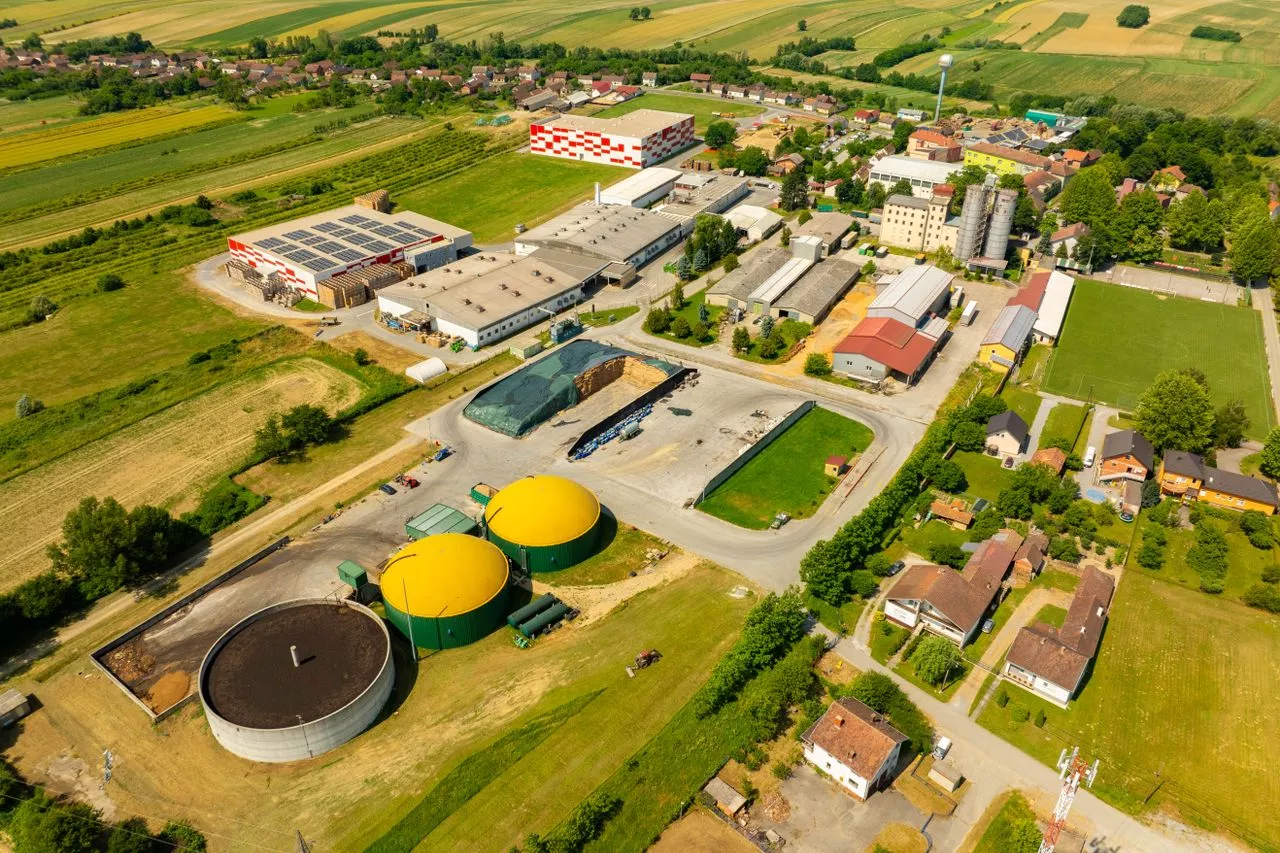
The largest component of the transaction is a $26 million investment tax credit (ITC) associated with the South Fork Dairy RNG facility in Dimmit, Texas. The facility began producing renewable natural gas in 2025 and is part of Clean Energy’s broader strategy to capture methane from agricultural operations and convert it into transportation fuel.
The remaining tax credits included in the transaction consist of all of Clean Energy’s 2025 Section 45Z clean fuel production credits generated by its portfolio of dairy-based RNG projects. Together, the credits reflect the environmental and economic value associated with producing transportation fuel with a substantially lower carbon intensity than conventional fossil fuels.
The projects included in the transaction span multiple states and demonstrate the geographic reach of Clean Energy’s RNG production platform. Facilities contributing credits are located in Texas, South Dakota, Iowa and Minnesota. The portfolio also includes projects operated through Clean Energy’s joint ventures with bp and TotalEnergies, giving the transaction exposure to a broad group of RNG assets and strategic partnerships.
During 2025, the facilities represented in the portfolio collectively produced approximately 2.7 million gallons of RNG with negative carbon intensity for use as transportation fuel. The production highlights the role of dairy-based RNG projects in converting organic waste into a usable energy resource while generating environmental benefits.
RNG is produced by capturing biogas generated through the decomposition of organic material, including manure from dairy farms. Without capture and utilization, methane contained in biogas can enter the atmosphere. RNG facilities can instead collect the gas, process it and upgrade it into a fuel suitable for transportation applications. When produced from qualifying waste sources, the resulting fuel can have a very low or even negative lifecycle carbon intensity under applicable regulatory methodologies.
Clean Energy has developed its RNG business around these opportunities, partnering with dairy operators and major energy companies to build and operate production facilities. The company’s ability to monetize federal tax credits provides another financial mechanism for generating value from these projects in addition to the sale of the resulting RNG.
The $26 million ITC associated with South Fork Dairy represents the largest individual credit in the latest transaction. The facility’s production began in 2025, marking a transition from project development and construction into commercial RNG production. Its inclusion in the tax credit sale demonstrates how Clean Energy can monetize federal incentives as projects become operational and generate qualifying investments.
The transaction also included the 2025 Section 45Z clean fuel production credits generated by seven dairy RNG facilities. Section 45Z provides federal incentives linked to the production of qualifying clean transportation fuels, with the value of the credit tied to the fuel’s lifecycle greenhouse gas emissions profile. For RNG producers, the availability of these credits can contribute to project economics while supporting investments in lower-carbon fuel production.
Clean Energy said the latest transaction is its fourth successful effort to monetize tax credits generated by its RNG projects. Repeated transactions provide a pathway for the company to convert tax attributes associated with its investments into cash proceeds, potentially supporting future development and expansion across its renewable fuel portfolio.
The company views the transaction as evidence of continued demand for the environmental attributes associated with its RNG projects. As transportation companies, fuel suppliers and other market participants seek ways to reduce emissions, fuels produced from waste resources can provide an alternative to conventional diesel and other petroleum-based transportation fuels.
Will Flanagan, Vice President of Strategic Development at Clean Energy, described the transaction as the company’s largest investment tax credit sale to date. He said the successful monetization of the company’s full portfolio demonstrates the value of the RNG projects and reflects demand for the environmental benefits associated with their production.
The transaction comes as renewable fuels continue to play a role in efforts to decarbonize transportation, particularly in applications where conventional electrification can be more challenging. RNG can be used in natural gas vehicle infrastructure and can provide fleet operators with a lower-carbon fuel option without requiring a complete replacement of existing fueling systems.
Clean Energy has long focused on supplying natural gas fuel for transportation fleets, including heavy-duty vehicles. Its RNG activities extend that business model by incorporating renewable fuel produced from waste streams. Dairy RNG projects can create a connection between agricultural operations and transportation markets, allowing methane generated at farms to become a source of renewable fuel.
The company’s partnerships with bp and TotalEnergies further demonstrate the role of major energy companies in developing renewable natural gas infrastructure. Joint ventures can provide access to capital, technical capabilities and market expertise while allowing Clean Energy to expand its participation in RNG production.
The seven facilities involved in the latest tax credit transaction collectively produced 2.7 million gallons of negative-carbon-intensity RNG during 2025. That production provides a measure of the scale of the portfolio and underscores the environmental characteristics that make dairy-derived RNG eligible for various clean fuel incentives.
For Clean Energy, the $30.7 million transaction represents both a financial milestone and another step in the commercialization of its RNG portfolio. The company can use tax credit monetization as an additional source of project value while continuing to develop renewable fuel assets and expand partnerships across the agricultural and energy sectors.
With South Fork Dairy contributing the largest portion of the investment tax credit and Section 45Z credits covering production across multiple facilities, the transaction illustrates how different federal incentives can contribute to the economics of RNG projects. As more facilities move into production, Clean Energy’s experience monetizing these credits could remain an important element of its broader renewable energy strategy.
The latest sale therefore reinforces Clean Energy’s focus on developing waste-derived transportation fuels while demonstrating the financial potential associated with federal clean energy incentives. The company expects its RNG portfolio to remain an important part of its efforts to provide lower-carbon fuel solutions for transportation fleets and create additional value from renewable energy projects.
Source Link: https://www.businesswire.com/