

National Grid Seeks Approval for New Navenby Substation to Support Rising Electricity Demand and Clean Energy Connections
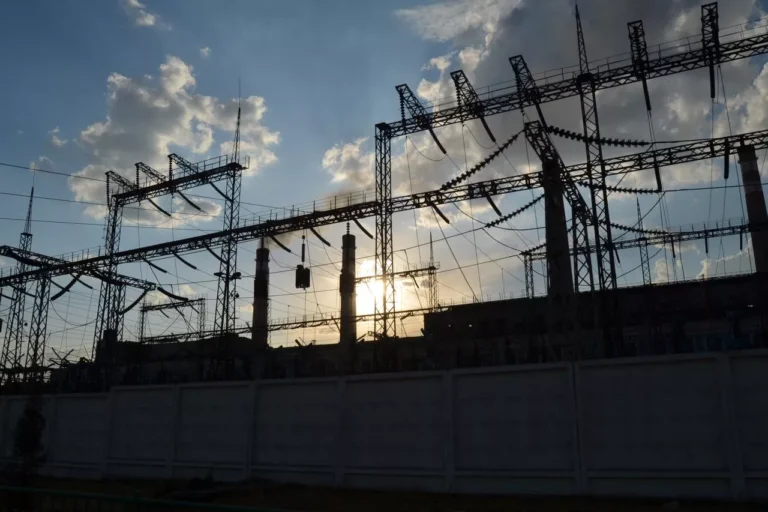
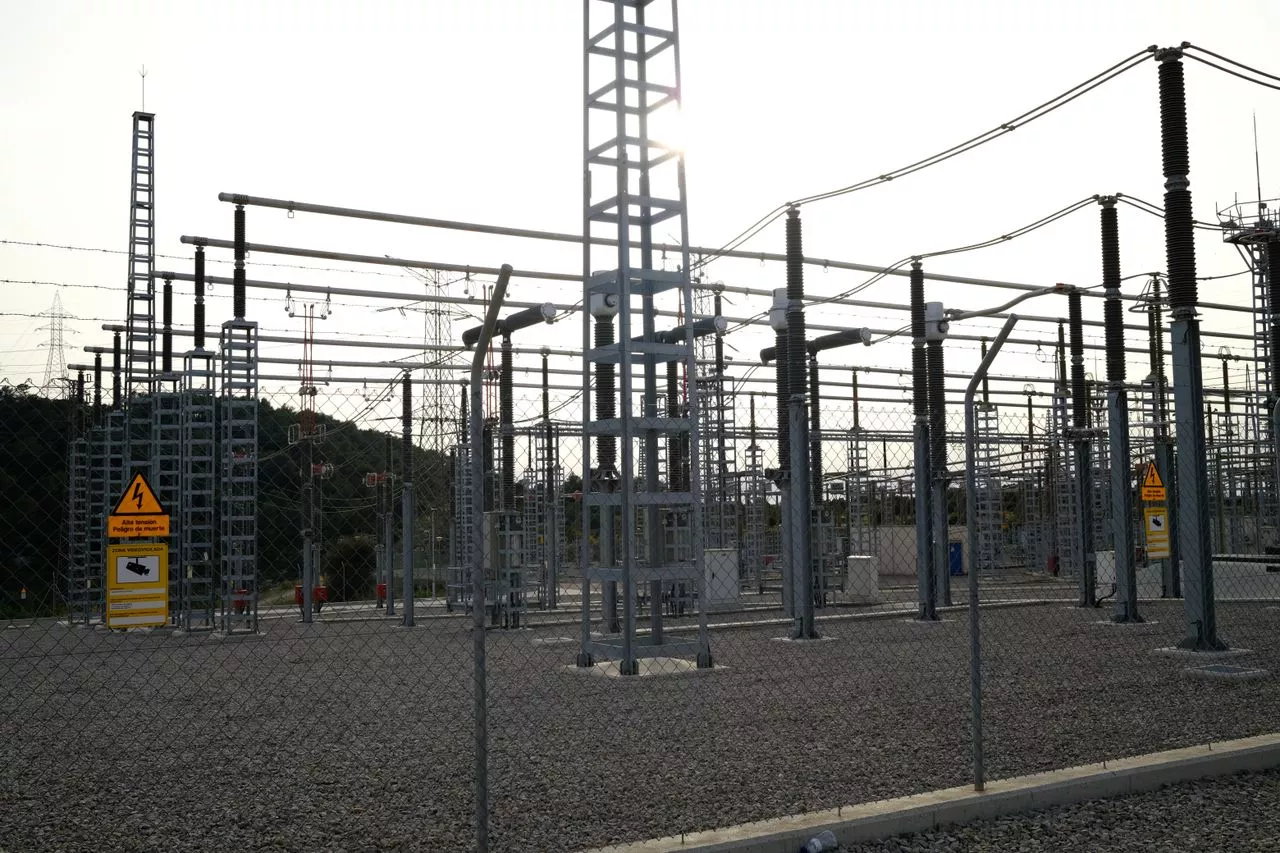
National Grid Electricity Transmission (NGET) has formally submitted a planning application to North Kesteven District Council for the development of a new high-voltage electricity substation near the village of Navenby in Lincolnshire. The proposed infrastructure project represents another significant step in strengthening the UK’s electricity transmission network and supporting the country’s transition toward a cleaner and more resilient energy system.
The proposed 400-kilovolt (kV) substation is designed to accommodate increasing electricity demand while enabling the connection of new renewable and low-carbon energy projects in the region. As electricity consumption continues to rise due to the electrification of transport, heating, industry, and digital infrastructure, National Grid says new network investments are essential to ensure reliable power supplies for communities and businesses across Lincolnshire and beyond.
Supporting the UK’s Energy Transition
The Navenby substation forms part of National Grid’s broader investment strategy across the Midlands region. Between 2026 and 2031, the company plans to invest approximately £1.7 billion in maintaining, modernizing, and expanding the electricity transmission network.
The project also contributes to The Great Grid Upgrade, National Grid’s nationwide programme aimed at delivering the most extensive transformation of Britain’s electricity infrastructure in decades. The initiative is intended to prepare the grid for a future powered increasingly by renewable energy sources such as wind and solar power, while also supporting energy security and economic growth.
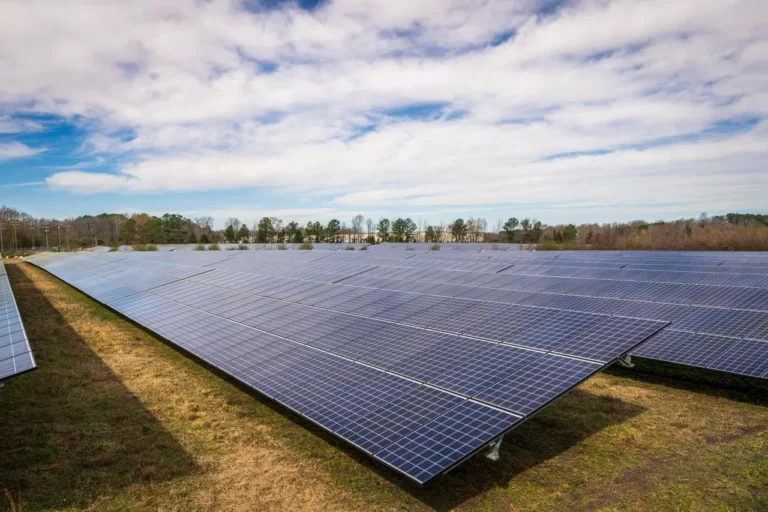
As the UK accelerates efforts to decarbonize its economy and achieve net-zero emissions targets, a growing number of renewable energy developers are seeking access to the transmission network. Several low-carbon energy projects in and around the Navenby area have requested grid connections, creating the need for additional infrastructure.
National Grid, as a regulated transmission operator, has a legal obligation to facilitate these connections and ensure the network has sufficient capacity to accommodate future electricity generation.
Proposed Location and Infrastructure Details
If planning permission is granted, the new substation will be built approximately 1.4 kilometres east of Navenby village and north of Heath Lane.
The proposed facility will be an open-air substation with structures reaching a maximum height of around 15 metres. In addition to the substation itself, the plans include modifications to existing transmission infrastructure.
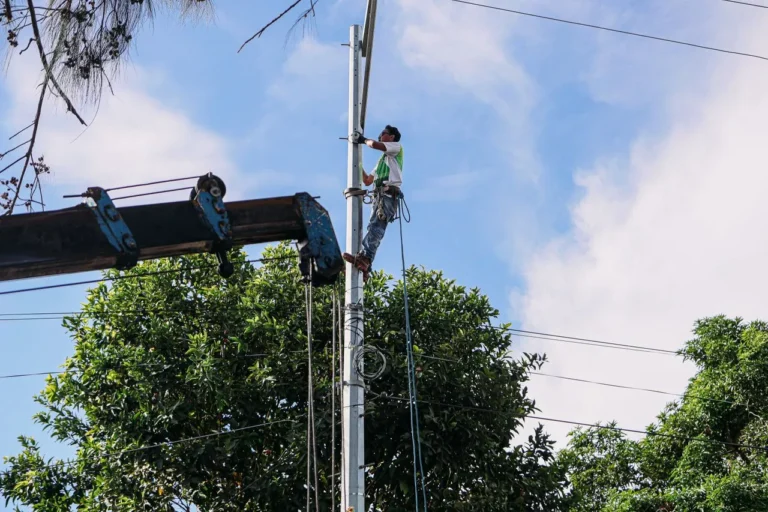
Four new electricity pylons would be constructed as part of the development, while two existing pylons currently located within the site area would be removed. These modifications are intended to optimize the layout of the transmission network and improve operational efficiency.
The infrastructure is expected to play a crucial role in ensuring the transmission system can manage future power flows from renewable energy projects and respond to increasing regional demand.
Extensive Consultation and Environmental Assessments
National Grid stated that the planning application has been informed by extensive technical studies and environmental assessments carried out over recent years. The company also engaged with local residents and stakeholders through a public consultation process conducted during autumn 2024.
Feedback gathered during the consultation reportedly influenced several aspects of the project design, particularly regarding landscaping measures and visual mitigation strategies.
Recognizing the rural setting of the proposed development, National Grid has incorporated additional screening and landscape enhancements into the plans. These measures are intended to reduce the visual impact of the substation and help it integrate more effectively with the surrounding countryside.
The company emphasized that community input has played a significant role in refining the project and ensuring local concerns are considered throughout the planning process.
Biodiversity Commitments
Environmental sustainability forms a central component of the proposal. National Grid has committed to delivering at least a 10% Biodiversity Net Gain (BNG) as part of the project.
Biodiversity Net Gain is increasingly becoming a key requirement for infrastructure developments across the UK, ensuring that projects leave the natural environment in a measurably better condition than before construction began.
To achieve this target, National Grid plans to preserve existing vegetation and trees around the site boundaries while introducing additional habitat enhancement measures where feasible. These actions may include creating new habitats, improving ecological connectivity, and implementing long-term environmental management strategies.
The company believes these measures will help support local wildlife populations and contribute positively to the ecological value of the surrounding landscape.
Addressing Future Electricity Needs
The proposed Navenby substation comes at a time when Britain’s electricity system is undergoing significant transformation.
Electric vehicles, heat pumps, data centres, and new industrial electrification initiatives are all contributing to rapidly growing electricity demand. At the same time, the country is increasingly relying on renewable energy generation, much of which requires new transmission infrastructure to connect projects to consumers.
National Grid argues that expanding and modernizing the transmission network is essential to avoid future constraints and ensure that clean energy generated across the country can be delivered efficiently to homes and businesses.
According to the company, investments such as the Navenby substation will not only support energy security but also help reduce dependence on imported fossil fuels by facilitating greater use of domestic renewable power sources.
Community Benefits and Economic Opportunities
National Grid has also highlighted the socio-economic benefits that could accompany the project.
Subject to receiving planning approval, more than £500,000 in community funding would be made available to support local initiatives and projects within host communities and the wider area.
The company intends to work with residents and local stakeholders to determine how these funds can be used most effectively, ensuring that communities hosting new infrastructure receive tangible benefits.
Potential areas for investment could include community facilities, environmental improvements, educational programmes, and local development initiatives.
In addition to direct community funding, National Grid plans to create broader economic opportunities throughout the East Midlands region. The company aims to establish partnerships that support skills development, employment opportunities, and supply chain participation.
Construction and long-term operation of electricity infrastructure projects often generate demand for local services, contractors, and specialist expertise, potentially creating jobs and supporting regional economic growth.
National Grid Emphasizes Long-Term Benefits
Matt Doherty, Project Development Manager at National Grid Electricity Transmission, said feedback received during the consultation process had directly influenced the final proposals.
He noted that changes had been made to both the design and landscaping elements of the scheme in response to community input.
Doherty emphasized that the new substation would play a vital role in addressing rising electricity demand and ensuring a reliable power supply as society becomes increasingly electrified.
He also highlighted the importance of strengthening the network to support businesses, future employment opportunities, and the integration of cleaner and more affordable domestic energy sources.
Furthermore, National Grid reiterated its commitment to ensuring that host communities benefit from the project through funding initiatives, skills development, employment opportunities, and environmental enhancements.
A Key Piece of Future Energy Infrastructure
If approved, the Navenby substation will become an important component of Britain’s evolving electricity network and a significant addition to energy infrastructure in Lincolnshire.
As the UK continues its transition toward a low-carbon economy, projects such as this are expected to become increasingly important in enabling renewable energy deployment, improving energy resilience, and ensuring the transmission system can meet the demands of future generations.
The planning application now enters the review process with North Kesteven District Council, which will assess the proposal and consider feedback from stakeholders before making a final determination on the project’s future.
Source Link: https://www.nationalgrid.com/