

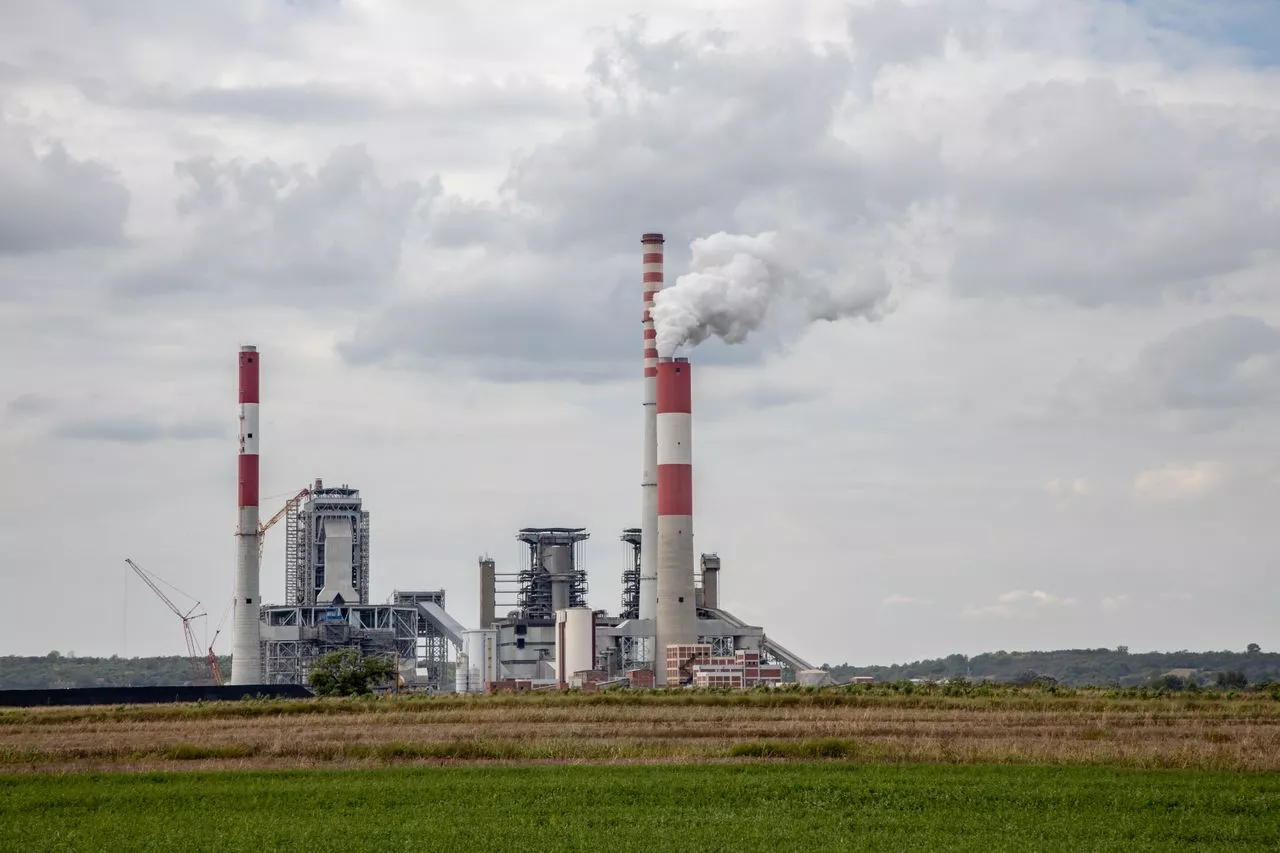
BKV Expands Carbon Capture Portfolio with Three Operational CCS Facilities Across Texas
BKV Corporation (NYSE: BKV) has reached another significant milestone in its carbon management strategy with the successful start-up of its Eagle Ford carbon capture and sequestration (CCS) facility in Texas. The launch marks the latest step in the company’s broader effort to build one of the largest commercial carbon sequestration platforms in the United States while supporting industrial emissions reduction and long-term environmental sustainability.
The Eagle Ford project represents BKV’s third operational commercial CCS facility and follows the successful commissioning of two additional projects during the first half of 2026. Together, the facilities reinforce the company’s strategy of integrating natural gas production, midstream infrastructure, and carbon management into a unified business model capable of delivering both environmental and economic value.
With the addition of Eagle Ford, BKV continues to expand its commercial CCS footprint across Texas, strengthening its leadership position in the rapidly growing carbon capture industry. The company believes these projects demonstrate that carbon sequestration can become an economically sustainable solution for reducing greenhouse gas emissions while supporting reliable energy production.
Eagle Ford Facility Begins Commercial Operations
The newly operational Eagle Ford CCS facility is the first project completed under BKV’s strategic joint venture with Copenhagen Infrastructure Partners (CIP) through its Energy Transition Fund I since Barnett Zero became part of the partnership.
Developed alongside a leading diversified midstream energy company, the project captures carbon dioxide generated during natural gas processing operations associated with production from the Eagle Ford Shale, one of the most productive hydrocarbon basins in the United States.
Instead of allowing the carbon dioxide to enter the atmosphere, BKV acquires the captured CO₂ waste stream directly from the processing plant. The company then compresses the gas and transports it through dedicated infrastructure to a nearby injection site, where it is permanently stored deep underground in secure geological formations designed for long-term sequestration.
The Eagle Ford facility is expected to permanently sequester approximately 90,000 metric tons of carbon dioxide annually, helping reduce industrial emissions while creating environmental credits that BKV will initially retain.
Rigorous Development Process
The Eagle Ford project progressed through several major development milestones before reaching commercial operation.
BKV reached a final investment decision for the project in mid-December 2024 after completing engineering studies, regulatory planning, and commercial agreements.
The project subsequently secured approval from the Texas Railroad Commission for its Class II injection well, authorizing underground injection activities for carbon storage. In addition, the United States Environmental Protection Agency approved the facility’s Monitoring, Reporting, and Verification (MRV) plan, ensuring that injected carbon dioxide can be accurately tracked and verified throughout the life of the project.
These regulatory approvals were critical in demonstrating that the facility meets stringent operational and environmental standards while ensuring the permanent and secure storage of captured carbon dioxide.
Partnership with Copenhagen Infrastructure Partners
BKV’s collaboration with Copenhagen Infrastructure Partners continues to play an important role in expanding commercial carbon capture infrastructure.
Karlis Povisils, Partner at Copenhagen Infrastructure Partners, said the successful commissioning validates the strategy established through the partnership and demonstrates the operational capabilities both organizations expected when forming the joint venture.
According to Povisils, the Eagle Ford project illustrates how strategic collaboration can accelerate the deployment of carbon capture infrastructure while supporting broader energy transition objectives.
He noted that the successful launch strengthens confidence in the partners’ shared commitment to developing scalable carbon management solutions capable of serving industrial customers across multiple regions.
Building a Commercial Carbon Management Platform
The Eagle Ford facility forms part of BKV’s larger strategy to establish an integrated carbon capture network across major natural gas producing regions.
Rather than treating carbon capture as a standalone business, BKV has built a vertically integrated operating model that combines upstream natural gas production, midstream processing infrastructure, carbon capture technology, transportation systems, and permanent geological storage.
This integrated approach allows the company to identify emissions sources, develop sequestration projects efficiently, and leverage existing infrastructure to reduce project costs while improving operational performance.
By controlling multiple elements of the carbon management value chain, BKV believes it can accelerate project development while creating attractive long-term returns.
Cotton Cove Adds Additional Carbon Storage Capacity
Alongside Eagle Ford, BKV also recently completed the Cotton Cove CCS facility located within the Fort Worth Basin near Fort Worth, Texas.
Cotton Cove represents a strategic co-development project between BKV and Banpu Power US.
Unlike Eagle Ford, which captures emissions from an external natural gas processing operation, Cotton Cove captures carbon dioxide directly from BKV’s owned and operated midstream processing facility.
Captured carbon dioxide is transported to an adjacent Class II underground injection well where it is permanently stored within deep geological formations specifically selected for secure long-term sequestration.
The Cotton Cove facility is expected to sequester approximately 32,000 metric tons of CO₂ annually throughout its operational life.
Combined with Eagle Ford, the two newest facilities will permanently store more than 120,000 metric tons of carbon dioxide each year, representing another meaningful expansion of BKV’s commercial carbon storage capacity.
Barnett Zero Continues to Anchor Operations
Before Cotton Cove and Eagle Ford entered service, BKV had already established its commercial carbon capture capabilities through the Barnett Zero project in North Texas.
Barnett Zero serves as the foundation of the company’s growing CCS portfolio and demonstrated that commercial-scale carbon sequestration could be successfully integrated with existing natural gas infrastructure.
The operational experience gained through Barnett Zero has informed the development of subsequent facilities, allowing BKV to streamline engineering, permitting, and operational practices while applying lessons learned to newer projects.
With three operational facilities now online, BKV has established a portfolio that spans multiple regions of Texas and supports continued expansion into additional markets.
Advancing Long-Term Growth Targets
The commissioning of Eagle Ford and Cotton Cove represents another step toward BKV’s previously announced long-term carbon management objectives.
The company has outlined plans to achieve an annual carbon dioxide injection rate of 1.5 million metric tons by 2028, requiring continued investment in project development, infrastructure expansion, and strategic partnerships.
Multiple additional carbon sequestration projects are currently progressing through various stages of planning, permitting, engineering, and construction.
As these projects move toward commercial operation, BKV expects to significantly increase its total carbon storage capacity while serving a broader range of industrial customers seeking emissions reduction solutions.
Integrated Infrastructure Supports Future Expansion
BKV believes one of its greatest competitive advantages lies in the breadth of its existing energy infrastructure.
The company’s portfolio includes upstream natural gas production assets, gathering systems, processing facilities, compression infrastructure, transportation capabilities, and geological storage resources.
This combination enables BKV to identify carbon capture opportunities that can be integrated into existing operations, reducing development complexity and improving project economics.
The company expects this infrastructure platform to support continued expansion of its carbon management business while helping industrial partners reduce emissions without disrupting operations.
CEO Highlights Commercial Progress
BKV Chief Executive Officer Chris Kalnin said the successful launch of Cotton Cove and Eagle Ford demonstrates the company’s ability to consistently originate, develop, construct, and operate commercial-scale carbon sequestration facilities.
According to Kalnin, the projects highlight the effectiveness of BKV’s integrated business model, which combines operational expertise with infrastructure ownership and project development capabilities.
He noted that the company’s growing CCS portfolio reflects its commitment to delivering practical and economically sustainable carbon management solutions while supporting customers’ emissions reduction goals.
Kalnin added that BKV intends to continue expanding its carbon capture platform as demand for permanent carbon sequestration increases across industrial sectors.
Positioning for the Energy Transition
Growing regulatory requirements, corporate sustainability commitments, and investor expectations continue to increase interest in carbon capture and sequestration technologies worldwide.
Industries including natural gas processing, power generation, manufacturing, and heavy industrial operations are increasingly exploring CCS as a practical method of reducing greenhouse gas emissions while maintaining reliable operations.
BKV believes its integrated approach positions the company to capitalize on this expanding market by offering commercially viable carbon management solutions supported by proven operational experience.
With Barnett Zero, Cotton Cove, and Eagle Ford now operating successfully, the company has established a solid foundation for future growth as it advances additional carbon sequestration projects.
As BKV continues executing its long-term development strategy, the company aims to expand its commercial CCS network, increase annual carbon storage capacity, strengthen strategic partnerships, and create sustainable long-term value for shareholders while contributing to emissions reduction efforts across the energy sector.
Source Link: https://www.businesswire.com/