

Energy Recovery Secures Five New Wastewater Projects in India, Expanding Industrial Water Reuse Capacity
Energy Recovery has strengthened its presence in India’s rapidly growing industrial water treatment sector by securing five new wastewater treatment projects that will deploy its PX® Pressure Exchanger® energy recovery technology. The latest contracts represent another significant milestone for the company as industries across India accelerate investments in advanced water recycling systems to comply with stricter environmental regulations while improving operational efficiency.
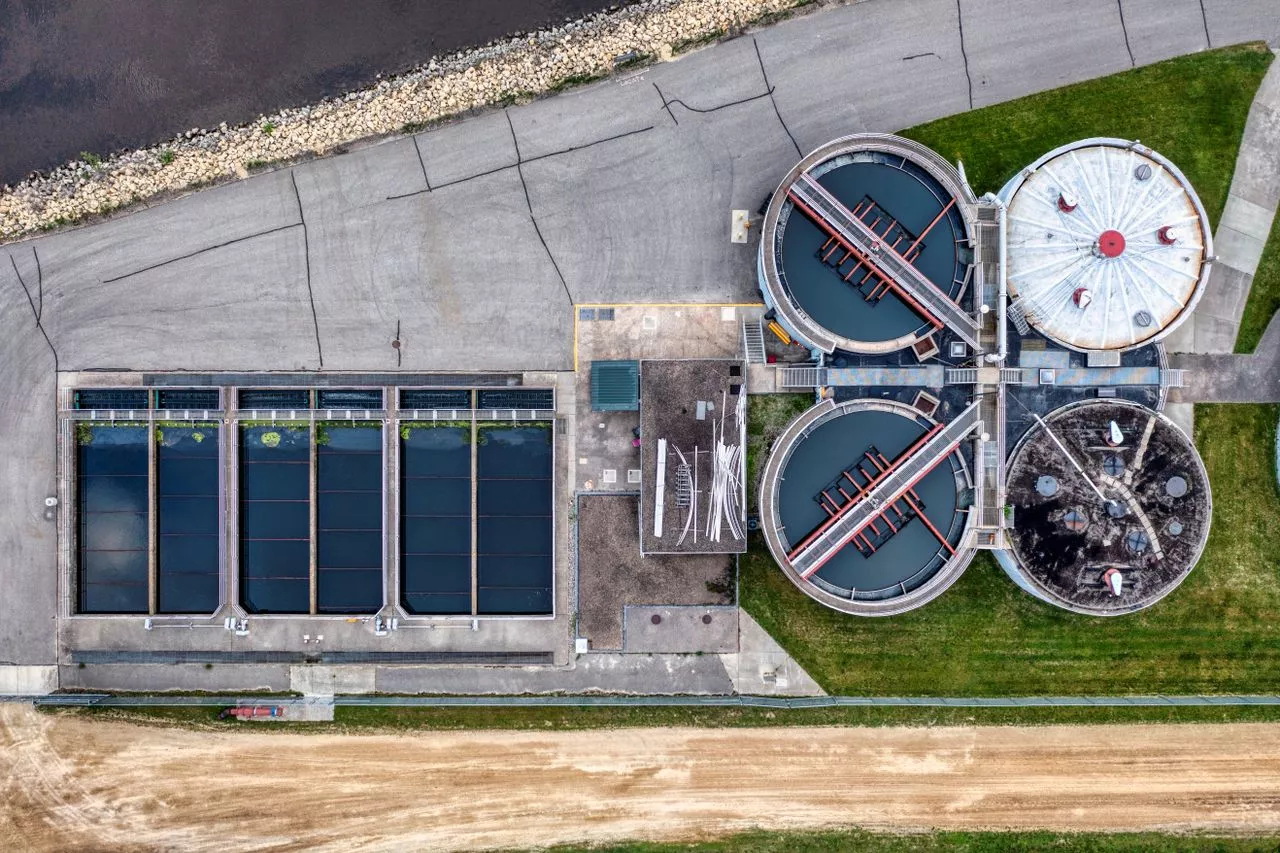
The newly awarded projects will see multiple PX Pressure Exchanger devices installed in industrial reverse osmosis (RO) facilities designed to treat wastewater and enable water reuse. These projects underscore the increasing importance of energy-efficient technologies as manufacturers and industrial operators face mounting pressure to conserve freshwater resources, reduce wastewater discharge, and lower operating expenses.
India’s expanding industrial economy continues to drive demand for sustainable water management solutions. With freshwater availability becoming increasingly constrained and regulatory oversight becoming more stringent, industries are adopting advanced treatment technologies that allow them to recycle water rather than relying solely on freshwater withdrawals. Energy Recovery’s latest contracts position the company to play a growing role in supporting this transition through its energy-saving pressure exchange technology.
Growing Water Stress Fuels Industrial Investment
India faces one of the world’s most significant water resource challenges. Although the country is home to nearly 18% of the global population, it possesses only about 4% of the world’s available freshwater resources. Rapid urbanization, industrial expansion, climate variability, and increasing agricultural demand continue to place enormous pressure on existing water supplies.
Industry analysts project that India’s total water demand could reach nearly double the country’s available supply by 2030 if current consumption trends continue. This widening supply-demand gap is prompting governments, industries, and utilities to invest heavily in technologies that improve water efficiency and maximize water reuse.
Industrial sectors including chemicals, pharmaceuticals, textiles, food and beverage, power generation, and manufacturing are increasingly turning to advanced wastewater treatment systems to recover and recycle process water. These investments not only reduce dependence on freshwater sources but also help companies comply with evolving environmental standards governing wastewater discharge.
The five newly awarded projects reflect this broader market trend as industrial operators prioritize sustainable water management strategies capable of delivering both environmental and economic benefits.
Zero-Liquid Discharge Becomes an Industry Standard
A defining feature of all five newly contracted projects is their use of zero-liquid discharge (ZLD) technology.
Zero-liquid discharge is an advanced wastewater treatment approach designed to eliminate liquid waste streams entirely. Instead of discharging treated wastewater into rivers, lakes, or municipal systems, ZLD facilities recover reusable water while converting remaining contaminants into solid waste suitable for disposal or further processing.
The process typically involves multiple stages of treatment, including filtration, reverse osmosis, evaporation, and crystallization, allowing facilities to maximize water recovery while minimizing environmental impact.
Across India, ZLD adoption has accelerated significantly over recent years, particularly in water-intensive industries operating in regions where freshwater availability is limited or wastewater discharge regulations have become increasingly strict.
Government agencies have introduced tighter environmental compliance requirements aimed at reducing industrial pollution while encouraging water conservation. As a result, many new industrial facilities now incorporate ZLD systems during the design phase, while existing plants continue upgrading legacy treatment infrastructure.
Although ZLD offers substantial environmental advantages, it also presents operational challenges. One of the most significant is energy consumption.
Reverse Osmosis Requires Significant Energy
Reverse osmosis serves as the backbone of many advanced industrial wastewater treatment systems. By forcing water through semi-permeable membranes under high pressure, RO systems remove dissolved salts, contaminants, and impurities, producing high-quality recycled water suitable for industrial reuse.
However, generating the pressure required for reverse osmosis demands considerable electrical energy. For large industrial treatment plants operating continuously, electricity often represents one of the largest operating expenses.
Energy efficiency therefore becomes a critical factor influencing both project economics and long-term sustainability.
Reducing energy consumption not only lowers operating costs but also decreases greenhouse gas emissions associated with electricity generation, supporting broader corporate sustainability objectives.
This growing emphasis on operational efficiency has increased demand for technologies capable of recovering and reusing energy that would otherwise be lost during the reverse osmosis process.
PX Pressure Exchanger Technology Improves Efficiency
Energy Recovery’s PX Pressure Exchanger technology is specifically designed to capture hydraulic energy that would normally be wasted during reverse osmosis operations.
Rather than allowing pressurized concentrate streams to lose their energy before discharge, the PX device transfers nearly all of that pressure directly to incoming feedwater. This significantly reduces the amount of work required from high-pressure pumps.
The company’s PX technology operates with only a single moving part while achieving energy transfer efficiencies of up to 99%. This simple mechanical design contributes to long operational life, reduced maintenance requirements, and high system reliability under demanding industrial conditions.
By recovering pressure energy that would otherwise be discarded, facilities can substantially reduce electricity consumption without compromising treatment performance or water recovery rates.
These efficiency improvements become increasingly valuable as electricity prices fluctuate and industries seek greater protection from rising energy costs.
Industry Demand Continues to Expand
According to Energy Recovery, the newly announced projects demonstrate how industrial customers are increasingly incorporating energy recovery technology into wastewater treatment systems from the earliest stages of facility design.
Rather than viewing energy recovery as an optional enhancement, many operators now recognize it as an essential component for improving the financial performance of zero-liquid discharge facilities.
David Kim-Hak, Vice President of Wastewater at Energy Recovery, highlighted the changing dynamics within India’s industrial water treatment market.
He explained that India is rapidly advancing toward greater water reuse and broader adoption of zero-liquid discharge systems, creating increased focus on the energy economics of wastewater treatment. As industrial operators continue designing more sophisticated treatment plants, energy recovery devices are increasingly being integrated from the outset to maximize efficiency and reduce lifetime operating costs.
Kim-Hak also emphasized that Energy Recovery’s PX technology enables customers to reduce electricity consumption, lower emissions, and minimize exposure to volatile energy prices while maintaining reliable wastewater treatment performance.
Expanding Installed Capacity Across India
The five new projects collectively represent approximately 30,000 cubic meters per day of industrial wastewater treatment capacity.
With these additions, Energy Recovery’s installed PX technology now supports more than 230,000 cubic meters per day of industrial wastewater treatment capacity across India.
This expanding installed base reflects growing market confidence in energy recovery technology as industrial operators continue modernizing wastewater treatment infrastructure.
As more facilities adopt reverse osmosis-based recycling systems, cumulative demand for pressure exchange technology is expected to increase alongside investments in water reuse and environmental compliance.
The company’s expanding footprint also positions it to benefit from India’s long-term infrastructure development plans, which prioritize sustainable water management across industrial, municipal, and commercial sectors.
Sustainability and Cost Savings Drive Adoption
Industrial organizations today face increasing pressure to balance environmental stewardship with financial performance.
Water scarcity, stricter discharge regulations, and higher energy costs have transformed wastewater treatment from a regulatory necessity into a strategic operational priority.
Technologies that simultaneously reduce electricity consumption, improve water recovery, and lower carbon emissions are becoming essential components of modern industrial infrastructure.
Energy Recovery’s PX devices address these objectives by enabling facilities to operate high-pressure reverse osmosis systems more efficiently while supporting broader sustainability initiatives.
For companies investing in zero-liquid discharge facilities, reduced energy consumption translates directly into lower operating expenses throughout the system’s lifetime. These savings can significantly improve project economics, particularly for large industrial plants operating around the clock.
Outlook for India’s Water Infrastructure
India’s continued industrial growth, combined with increasing water scarcity and evolving environmental regulations, is expected to drive sustained investment in advanced wastewater treatment technologies over the coming years.
Government policies encouraging water conservation, industrial recycling, and sustainable resource management are likely to further accelerate deployment of reverse osmosis and zero-liquid discharge systems across multiple sectors.
As industries seek reliable solutions that improve efficiency while meeting increasingly demanding environmental standards, technologies capable of reducing energy consumption will remain central to future infrastructure development.
Energy Recovery’s latest project wins reinforce the company’s position within this expanding market. By supplying highly efficient PX Pressure Exchanger devices for industrial reverse osmosis systems, the company is helping manufacturers improve wastewater treatment performance, reduce operating costs, conserve valuable freshwater resources, and advance India’s broader transition toward a more sustainable and resilient industrial water management ecosystem.
Source Link: https://www.businesswire.com/