

Fluor and JGC Advance LNG Canada Phase 2 Expansion with Early Project Authorization
Fluor Corporation has taken another significant step in strengthening Canada’s position in the global liquefied natural gas market after announcing that its JGC Fluor BC LNG II joint venture (JFJV2), formed with JGC Corporation, has received a limited notice to proceed (LNTP) for the proposed Phase 2 expansion of the LNG Canada export facility in Kitimat, British Columbia.
The authorization marks the beginning of early-stage activities that will support planning, engineering preparation, procurement strategies, and other key project development efforts ahead of a potential final investment decision (FID) on the expansion. The project represents a major opportunity for Canada’s natural gas industry and underscores the continued confidence of LNG Canada and its partners in the expertise of Fluor and JGC.
The LNTP announcement comes on the heels of the successful completion of Phase 1 of LNG Canada, one of the largest private-sector investments in Canadian history and the country’s first large-scale LNG export terminal. The same Fluor-JGC partnership played a critical role in delivering the initial phase of the project, providing comprehensive engineering, procurement, fabrication management, construction, and commissioning services.
With the facility now operational and capable of exporting Canadian natural gas to international markets, attention is turning toward Phase 2, which has the potential to significantly expand production capacity and further strengthen Canada’s role as a global LNG supplier.
Building on a Successful Partnership
The relationship between LNG Canada and the JGC-Fluor partnership spans several years and has been instrumental in bringing the ambitious LNG export project from concept to reality.
During Phase 1, the joint venture was responsible for overseeing the design, procurement, fabrication management, construction, and commissioning of critical infrastructure required to support LNG production and exports. The project involved the construction of two liquefaction trains, each capable of processing natural gas into liquefied natural gas for shipment to overseas customers.
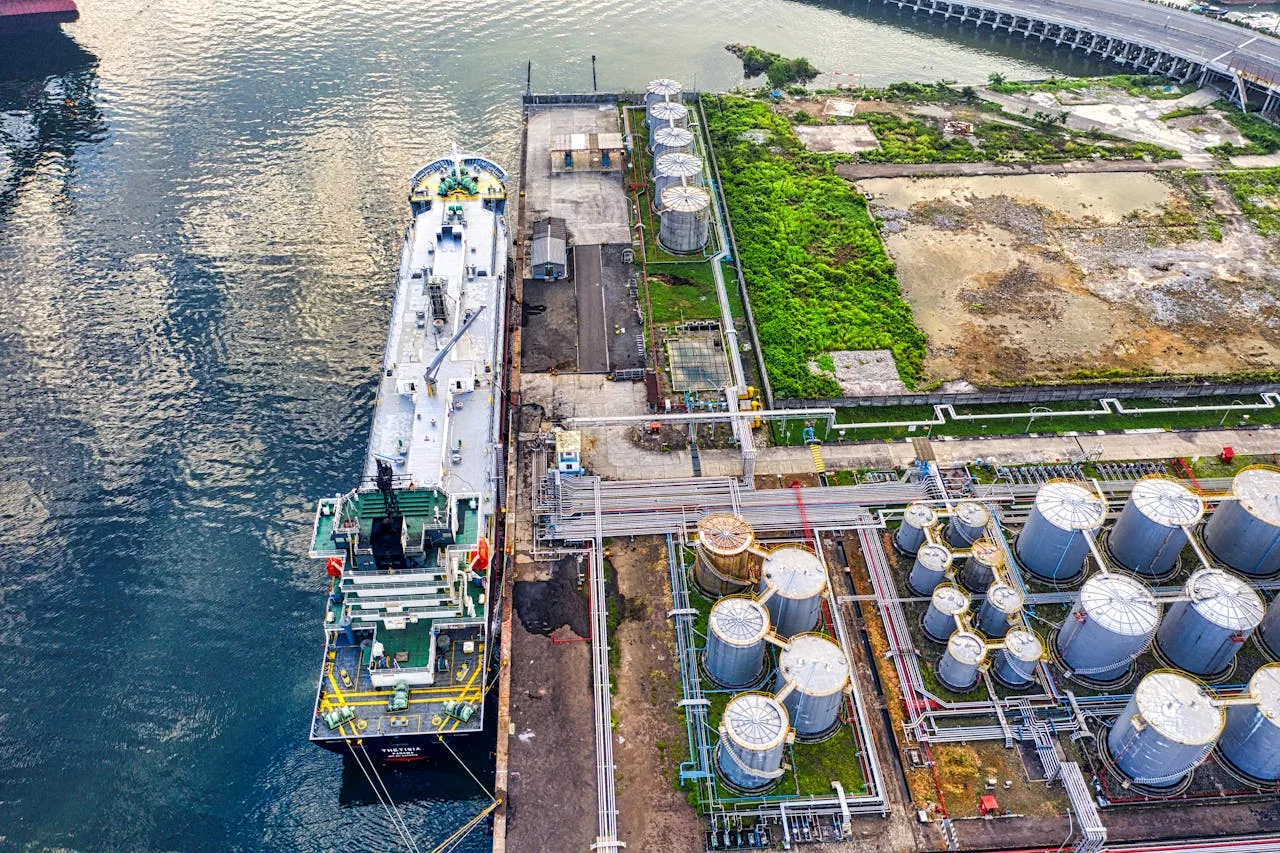
Beyond the liquefaction units, the scope of work included major supporting infrastructure such as LNG storage tanks, marine loading facilities, rail infrastructure, water treatment systems, flare systems, and numerous utilities required to support safe and efficient plant operations.
In 2025, the joint venture successfully completed and delivered these facilities, marking a major milestone for both the project and Canada’s energy industry. The successful execution of Phase 1 established the foundation for future expansion opportunities and demonstrated the capability of the project team to manage one of the most complex energy infrastructure developments in North America.
The issuance of the LNTP reflects LNG Canada’s confidence in the performance of the JGC-Fluor team and their ability to continue supporting the project’s next stage.
Preparing for Phase 2
Although LNG Canada has not yet made a final investment decision regarding Phase 2, the limited notice to proceed enables important preparatory work to begin.
Early project activities typically focus on refining project plans, advancing engineering studies, preparing procurement strategies, evaluating construction requirements, and securing critical resources needed to maintain project momentum should a final approval be granted.
According to Fluor, these early activities are intended to position the project for a smooth transition into full execution if LNG Canada’s owners ultimately approve the expansion.
Pierre Bechelany, Fluor’s Business Group President of Energy Solutions, emphasized the significance of the long-standing collaboration between Fluor and LNG Canada.
He noted that the partnership has been a source of pride for the company and highlighted the strategic importance of connecting Canadian natural gas resources to international markets. He also explained that the limited notice to proceed allows the project team to begin critical planning and execution activities that will support a future investment decision on the expansion.
The announcement reinforces Fluor’s commitment to major energy infrastructure projects while highlighting the growing demand for LNG worldwide.
Strategic Importance of LNG Canada
Located in Kitimat on the northern coast of British Columbia, LNG Canada occupies a strategic position that offers several competitive advantages compared with many other LNG export facilities around the world.
One of the project’s most significant strengths is its access to abundant and relatively low-cost natural gas supplies from Western Canada. British Columbia and neighboring Alberta possess substantial natural gas reserves, providing a long-term feedstock source for LNG production.
The facility also benefits from its location on Canada’s Pacific Coast, offering shorter shipping routes to key Asian markets compared with many LNG export terminals located along the U.S. Gulf Coast. Reduced shipping distances can help lower transportation costs and improve delivery efficiency for customers in countries such as Japan, South Korea, and China.
Another major advantage is Kitimat’s naturally deep, ice-free harbor, which enables year-round marine operations. This allows LNG carriers to access the facility without seasonal disruptions, supporting reliable export operations throughout the year.
These factors collectively enhance the project’s competitiveness in the global LNG marketplace and contribute to its long-term economic viability.
Canada’s First Large-Scale LNG Export Facility
The LNG Canada project represents a landmark achievement for the Canadian energy sector.
Before LNG Canada, Canada had never operated a large-scale LNG export terminal despite possessing some of the world’s largest natural gas resources. The facility therefore marks a transformational shift in how Canadian natural gas can reach international customers.
Phase 1 of LNG Canada includes two liquefaction trains with a combined annual production capacity of approximately 14 million tonnes of LNG. This capacity enables substantial volumes of Canadian natural gas to be processed, liquefied, and shipped overseas.
The project is also designed to operate under a 40-year export license, providing long-term certainty for investors, customers, and stakeholders. This lengthy operating horizon supports ongoing infrastructure investments and reinforces confidence in the facility’s future role within global energy markets.
As countries seek secure and reliable energy supplies while pursuing lower-carbon energy pathways, LNG is increasingly viewed as an important component of the global energy mix. LNG Canada is expected to play a significant role in supplying these markets for decades to come.
Expansion Could Double Output
The proposed Phase 2 expansion would significantly increase the scale and impact of LNG Canada.
If approved, the expansion would add two additional liquefaction trains to the facility, effectively doubling production capacity from approximately 14 million tonnes per year to roughly 28 million tonnes annually.
Such an increase would position LNG Canada among the world’s major LNG export facilities and substantially boost Canada’s presence in international LNG trade.
The additional production would create new opportunities for Canadian natural gas producers while supporting economic activity across multiple sectors, including engineering, construction, manufacturing, transportation, and marine services.
A larger facility would also generate additional employment opportunities during both the construction and operational phases, contributing further economic benefits to British Columbia and Canada as a whole.
However, progression to full development remains contingent upon LNG Canada’s owners reaching a positive final investment decision after evaluating market conditions, project economics, regulatory considerations, and long-term LNG demand forecasts.
Global Partnership Behind LNG Canada
LNG Canada is backed by a consortium of some of the world’s largest energy companies, reflecting the project’s global significance and strategic importance.
The joint venture is led by Shell, which holds a 40% ownership stake and serves as the project’s operator. Additional partners include PETRONAS with a 25% interest, PetroChina with 15%, Mitsubishi Corporation with 15%, and Korea Gas Corporation (KOGAS) with the remaining 5%.
Together, these companies bring extensive experience in natural gas production, LNG operations, shipping, marketing, and global energy markets.
The diverse ownership structure provides strong financial backing and broad market access, helping ensure that LNG Canada remains positioned to serve customers across Asia and other international regions.
As global demand for LNG continues to expand and nations seek reliable energy supplies, the proposed Phase 2 expansion represents a potentially transformative opportunity for both LNG Canada and the broader Canadian energy sector.
With the limited notice to proceed now in place, Fluor and JGC have begun laying the groundwork for what could become the next major chapter in Canada’s emergence as a leading global LNG exporter.
Source Link: https://www.businesswire.com/