

Cadeler Reaches Major Milestone at Ørsted’s Hornsea 3 Offshore Wind Project
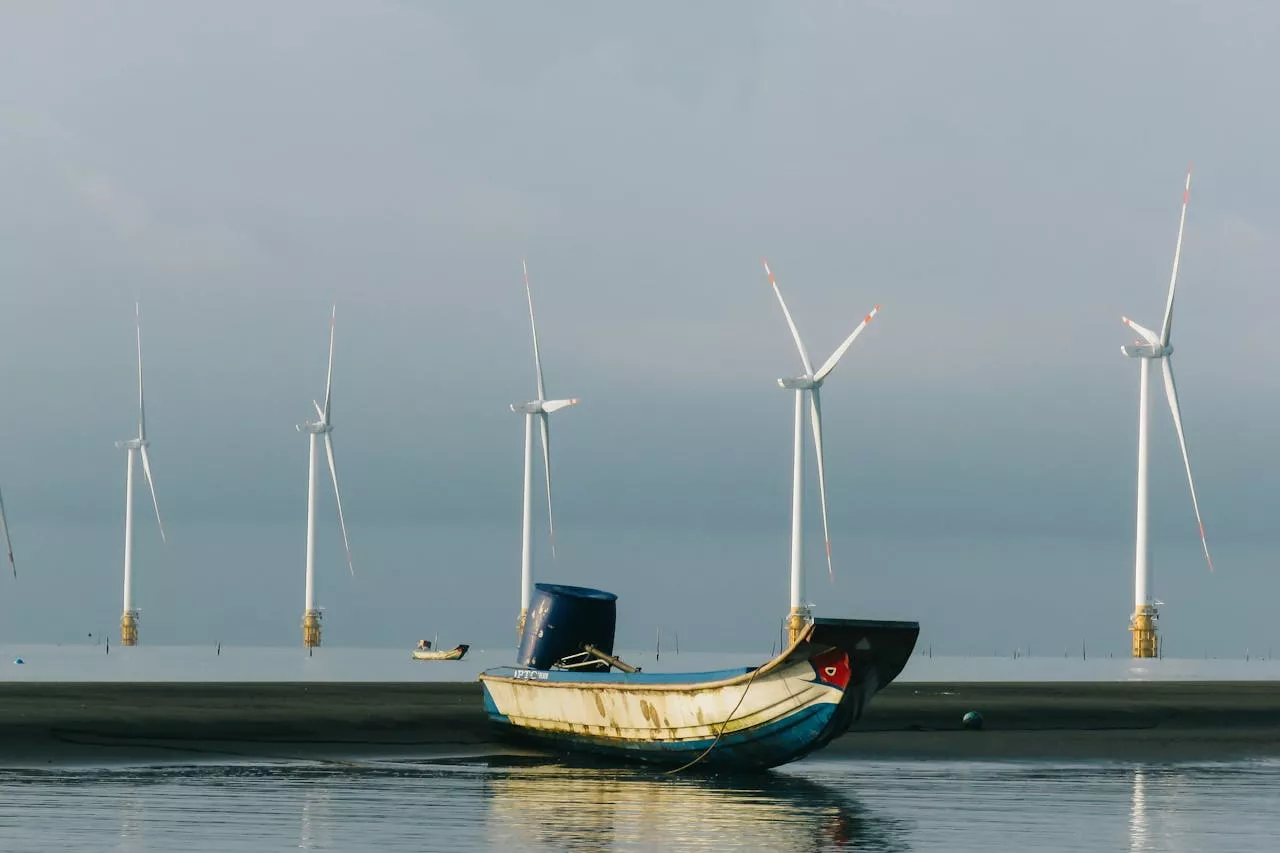
Cadeler has achieved a significant milestone in the development of the Hornsea 3 offshore wind farm in the United Kingdom by successfully completing the installation of the project’s first fully commissioned monopile foundation. The achievement represents an important step forward for both Cadeler and the wider offshore wind industry, as Hornsea 3 is set to become the largest offshore wind farm in the world once construction is complete.
The installation marks the beginning of a major offshore campaign in which Cadeler will transport and install a total of 197 monopile foundations for the project. The work forms part of the company’s full transportation and installation (T&I) contract scope, highlighting Cadeler’s growing role in delivering large-scale offshore renewable energy infrastructure.
Hornsea 3, being developed by Ørsted, is designed to have a total generating capacity of 2.9 gigawatts (GW). Once operational, the wind farm is expected to produce enough renewable electricity to supply more than 3.3 million homes across the United Kingdom. The project is one of the most ambitious offshore wind developments ever undertaken and plays a key role in supporting the UK’s long-term clean energy and decarbonization targets.
The successful completion of the first monopile installation is particularly important for Cadeler because it represents the company’s first project involving the complete transportation and installation scope for offshore monopile foundations. Previously, projects of this nature often involved different contractors handling separate phases of the work. By managing the full process, Cadeler is demonstrating its expanding capabilities in offshore wind foundation logistics, engineering, and execution.
The installation process required extensive preparation, engineering work, and coordination between multiple offshore teams, vessels, and project partners. Offshore wind foundation installation is a highly complex operation involving precise marine logistics, heavy lifting, challenging weather conditions, and strict safety standards. The completion of the first fully commissioned monopile foundation therefore reflects years of planning and collaboration between all parties involved.
The monopile itself was installed using Cadeler’s purpose-built A-class offshore installation vessel, Wind Ally. The vessel represents one of the newest additions to Cadeler’s fleet and was specifically designed to support the transportation and installation of extra-large XXL monopile foundations. These next-generation monopiles are significantly larger and heavier than earlier offshore wind foundations, reflecting the increasing scale of modern offshore wind turbines.
As offshore wind farms continue to grow in capacity, turbine manufacturers are producing larger turbines capable of generating more electricity per unit. These larger turbines require correspondingly larger foundations that can withstand extreme offshore conditions over decades of operation. Specialized vessels such as Wind Ally are therefore becoming increasingly important for the future expansion of offshore wind energy worldwide.
In addition to Wind Ally’s role in installing the monopile, Cadeler’s vessel Wind Orca carried out the installation of secondary steel components associated with the foundation structure. Secondary steel structures are essential elements of offshore wind foundations, providing access platforms, ladders, boat landings, and other support infrastructure necessary for long-term maintenance and operations.
The commissioning and completion activities for the installed foundation were supported by the service operation vessel ESVAGT FROUDE, operated by Danish offshore services company ESVAGT. The vessel played an important role in supporting offshore personnel and ensuring that the commissioning process was completed safely and efficiently.
Boston Energy was also involved in the project, delivering the post-installation commissioning and completion work for the monopile foundation. The company’s contribution included technical verification and readiness activities required before the foundation could be considered fully commissioned.
The coordinated effort between Cadeler, Ørsted, ESVAGT, Boston Energy, and other offshore teams demonstrates the highly collaborative nature of modern offshore wind construction projects. Large-scale renewable energy developments often require expertise from multiple specialized companies working together across marine engineering, logistics, vessel operations, installation, and commissioning disciplines.
Cadeler plans to deploy three of its specialist offshore wind installation vessels during the broader Hornsea 3 installation campaign. The project also represents a major operational showcase for the company’s expanding fleet and capabilities in the offshore wind sector. The inclusion of Wind Ally, Cadeler’s first A-class newbuilding vessel, is particularly significant because it highlights the company’s investment in next-generation installation technology tailored for the future demands of offshore renewable energy projects.
The offshore wind industry has experienced rapid growth over the past decade, driven by increasing global demand for renewable electricity and government commitments to reduce greenhouse gas emissions. Projects such as Hornsea 3 are central to Europe’s broader energy transition strategy, which aims to reduce dependence on fossil fuels while improving long-term energy security.
The UK has emerged as one of the world’s leading offshore wind markets due to favorable wind conditions, strong government support, and extensive experience in offshore energy development. The Hornsea offshore wind zone, located off the Yorkshire coast, already includes several major offshore wind projects developed by Ørsted. Hornsea 3 will further strengthen the UK’s position as a global leader in offshore renewable energy generation.
Bradley Scott, Project Director at Cadeler, emphasized the significance of the milestone and the teamwork required to achieve it successfully. According to Scott, the installation of the first monopile foundation is about more than placing the first structure into the seabed. It also reflects Cadeler’s continued expansion into full-scope transportation and installation services for offshore wind foundations.
Scott noted that projects of this scale require close collaboration, detailed planning, and precise execution throughout every phase of the offshore operation. He also expressed appreciation for the efforts of the offshore and onshore teams whose commitment and coordination helped deliver the milestone safely and successfully.
The successful start of foundation installation activities at Hornsea 3 provides positive momentum for the remainder of the project. As installation work continues, Cadeler and its project partners will focus on maintaining operational efficiency, safety performance, and project timelines while completing the remaining monopile foundations.
Once completed, Hornsea 3 is expected to make a major contribution to the UK’s renewable electricity supply and carbon reduction goals. The project also reinforces the growing importance of offshore wind as a cornerstone of the global energy transition, while highlighting the increasing scale and technical sophistication of offshore renewable infrastructure projects worldwide.
Source Link: https://www.businesswire.com/