

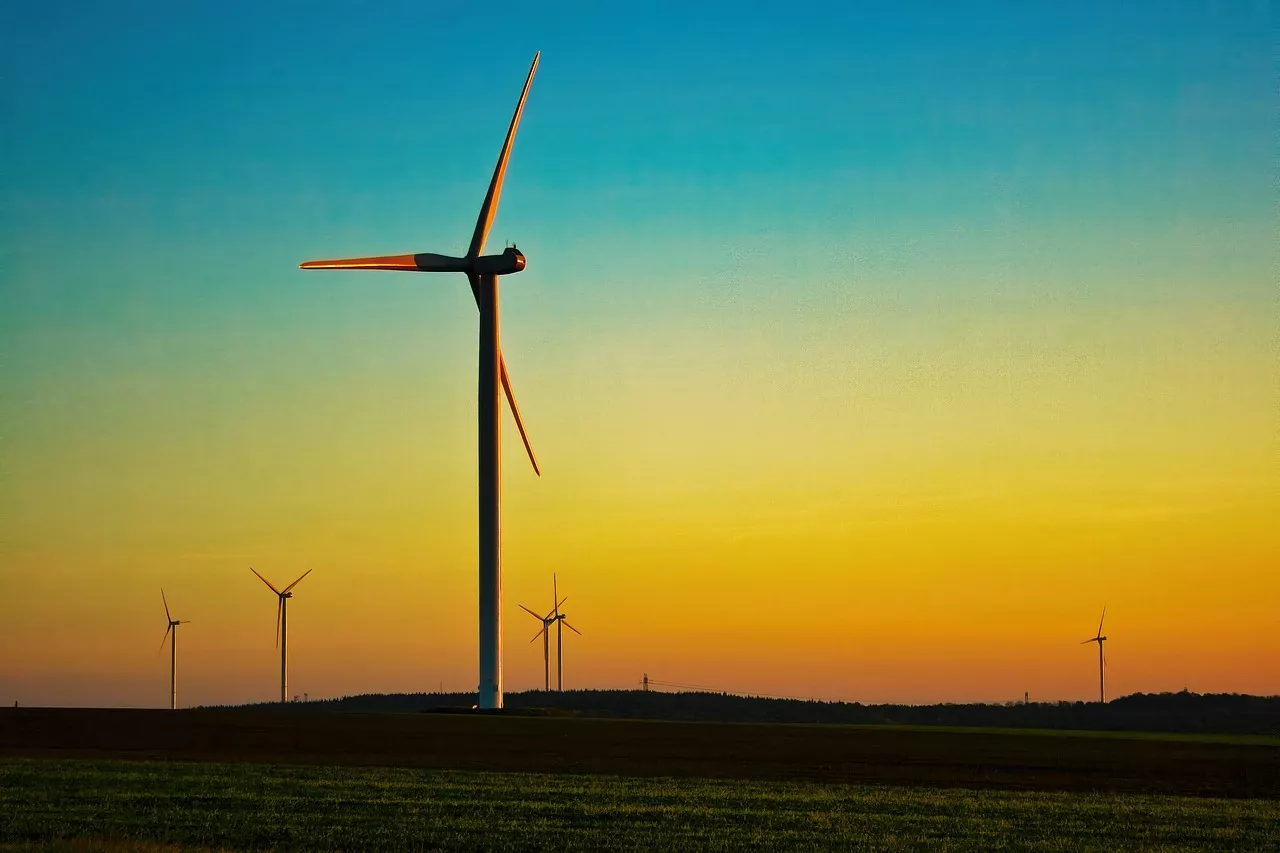
Acwa Secures USD 226 Million Financing for Bash II Wind Farm in Uzbekistan
Saudi Arabia-based Acwa Power has signed financing agreements worth USD 226 million for the development of the Bash II 300-megawatt (MW) Wind Farm in Uzbekistan, marking another major milestone in the company’s growing renewable energy portfolio across Central Asia. The agreements were finalized during the 2026 Annual Meeting of the Asian Development Bank, reinforcing international support for Uzbekistan’s clean energy transition and the expansion of renewable infrastructure in the region.
The financing package brings together three leading international financial institutions: the Asian Development Bank, the Asian Infrastructure Investment Bank, and Standard Chartered Bank. The USD 226 million in senior debt financing accounts for more than two-thirds of the project’s total investment cost, highlighting strong lender confidence in both the project and Uzbekistan’s rapidly evolving energy sector.
The Bash II Wind Farm will be located in the Gijduvan District of the Bukhara region of Uzbekistan, an area that is increasingly becoming a strategic hub for renewable energy development. The project forms part of a broader clean energy cluster that is taking shape in the region, building upon the neighboring Bash I wind farm and contributing to Uzbekistan’s long-term strategy of diversifying its electricity generation mix away from conventional fossil fuel sources.
Acwa, recognized as the world’s largest private water desalination company and one of the leading global developers in renewable energy and green hydrogen, continues to expand its international footprint through large-scale projects in emerging markets. The company has established itself as a major investor in Central Asia, with a growing portfolio spanning renewable power generation, water desalination, and green hydrogen initiatives.
Speaking about the financing agreements, Samir J Serhan emphasized the significance of the collaboration between international financial institutions and the broader implications for Uzbekistan’s economic and energy reforms.
According to Serhan, bringing together the Asian Development Bank, Asian Infrastructure Investment Bank, and Standard Chartered Bank under a single financing structure in Central Asia reflects years of successful project delivery and increasing confidence in Uzbekistan’s reform agenda. He noted that Bash II would inject 300 MW of clean electricity into a power grid that requires additional generation capacity while serving hundreds of thousands of households over the coming decades.
The executive also highlighted that the project represents more than just another renewable energy installation. Instead, it demonstrates the value of long-term commitment to developing markets and showcases how strategic partnerships between governments, developers, and international lenders can accelerate the transition toward cleaner energy systems.
Once completed, the Bash II Wind Farm is expected to play a meaningful role in strengthening Uzbekistan’s electricity supply reliability. The project will generate enough renewable electricity to power more than 336,000 households annually, helping address growing energy demand in one of Central Asia’s most rapidly developing economies.
In addition to increasing electricity generation capacity, the project is projected to deliver significant environmental benefits. Bash II is expected to avoid approximately 475,000 tonnes of carbon dioxide emissions each year, contributing to Uzbekistan’s climate goals and supporting the country’s broader ambitions to expand the share of renewable energy in its national energy mix by 2030.
Uzbekistan has emerged as one of the most active renewable energy markets in Central Asia in recent years. The government has implemented a series of reforms aimed at modernizing the power sector, attracting foreign direct investment, and reducing dependence on aging thermal generation infrastructure. International developers and lenders have increasingly viewed the country as an attractive destination for renewable energy investment due to its improving regulatory framework and long-term energy transition objectives.
The Bash II project is backed by a 25-year power purchase agreement (PPA) signed with the National Electric Grid of Uzbekistan, commonly known as NEGU. The long-term agreement provides revenue stability for the project and ensures that the generated electricity will be integrated into the national grid over the project’s operational lifespan.
Commercial operations for the wind farm are expected to begin during the second half of 2027. Once operational, Bash II will contribute to strengthening energy security in Uzbekistan while also helping the country reduce greenhouse gas emissions and diversify its energy sources.
The financing structure itself demonstrates growing confidence among international lenders in Uzbekistan’s energy sector reforms and in Acwa’s execution capabilities. Large-scale renewable projects in emerging markets often require substantial support from multilateral development banks and international commercial lenders to mitigate financial and operational risks. The participation of institutions such as the Asian Development Bank and the Asian Infrastructure Investment Bank provides additional credibility to the project and signals broader institutional support for clean energy investments in the region.
For Acwa, the Bash II Wind Farm represents another strategic step in expanding its global renewable energy portfolio. The company has been actively pursuing investments in solar, wind, water desalination, and green hydrogen projects across multiple regions, including the Middle East, Africa, and Central Asia. Its focus on utility-scale renewable developments aligns with increasing global demand for cleaner electricity generation and decarbonization initiatives.
Central Asia, in particular, has become an increasingly important market for Acwa. Uzbekistan’s abundant wind and solar resources, combined with supportive government policies and growing electricity demand, present significant opportunities for long-term renewable energy investment. The Bash I and Bash II wind projects collectively reinforce Acwa’s role as one of the largest private renewable energy investors in the region.
The involvement of major international financial institutions also reflects a broader trend of increased global capital flows into renewable energy infrastructure projects. Development banks and commercial lenders are continuing to prioritize investments that support climate resilience, emissions reduction, and sustainable economic development. Projects such as Bash II illustrate how cross-border partnerships can mobilize large-scale financing for clean energy deployment in emerging markets.
Beyond its environmental benefits, the Bash II project is also expected to generate economic value through job creation, infrastructure development, and technology transfer during both the construction and operational phases. Renewable energy projects of this scale typically create employment opportunities across engineering, logistics, maintenance, and local supply chains, contributing to regional economic growth.
As countries around the world accelerate efforts to transition toward cleaner energy systems, Uzbekistan’s renewable energy expansion is becoming increasingly important within the broader Central Asian energy landscape. The country’s strategy to attract international developers and financiers is helping position it as a regional leader in renewable energy deployment.
The Bash II Wind Farm financing agreements signed at the Asian Development Bank Annual Meeting therefore represent more than a standalone infrastructure transaction. They symbolize growing international confidence in Uzbekistan’s renewable energy ambitions, the increasing role of private sector investment in the global energy transition, and the expanding influence of Acwa as a major developer of large-scale sustainable energy projects worldwide.
Source Link: https://www.acwapower.com/