JPMorgan Chase Commits €3.35M to Build Europe’s Clean Energy Workforce
JPMorgan Chase has announced a new €3.35 million philanthropic commitment aimed at strengthening workforce development and expanding employment pathways across Europe’s rapidly evolving energy sector. The funding will target three major economies—France, Germany, and Spain—with a focus on equipping young people from low-income backgrounds with the skills required to participate in the clean energy transition. Through a combination of training programs, apprenticeships, and employer-led initiatives, the effort seeks to address both the growing demand for skilled labor and persistent youth unemployment challenges.
At the heart of the announcement are two major funding allocations designed to deliver tangible workforce outcomes. The first is a €1.85 million investment over two years to launch the Energy Transition Talent Accelerator, a large-scale training initiative led by the InnoEnergy Skills Institute. The second is a €1.5 million commitment over three years to pilot an inclusive apprenticeship program in the Île-de-France region, delivered in partnership with Generation France and La Solive.
Together, these programs are designed to create structured, scalable pathways into high-demand roles in the energy sector, ranging from solar installation and battery technologies to grid infrastructure and heating systems. The initiatives also aim to build a more inclusive talent pipeline by targeting underserved populations who often face barriers to accessing quality employment.
Addressing Europe’s Energy Skills Gap
Europe’s energy sector is undergoing a profound transformation as countries accelerate efforts to decarbonize and transition to cleaner energy systems. This shift is generating unprecedented demand for skilled workers across a wide range of technical and operational roles. According to projections, more than 3.5 million new jobs will need to be filled across the European Union energy sector by 2030.
However, this demand is not being met at the pace required. Rapid advancements in energy technologies—including renewables, storage systems, and smart grids—have outpaced the development of training programs. As a result, employers are struggling to find workers with the right mix of technical expertise and practical experience. The gap is particularly pronounced in energy supply and manufacturing sectors, where specialized, job-specific skills are essential.
At the same time, youth unemployment across the EU remains stubbornly high, exceeding 15%. This disconnect between available jobs and available talent highlights the urgent need for targeted interventions that can bridge the gap. By aligning training programs with employer needs and focusing on job readiness, initiatives like those funded by JPMorganChase aim to address both sides of the equation.
Country-level projections further underscore the scale of the opportunity. In France, an estimated 540,000 new energy sector jobs are expected by 2030, with the potential to reach one million by 2050. Spain is projected to add approximately 560,000 jobs by the end of the decade, while Germany is expected to require around 500,000 additional workers to support its energy transition. These figures illustrate not only the scale of demand but also the importance of coordinated workforce development strategies.
The Energy Transition Talent Accelerator
The Energy Transition Talent Accelerator represents a cornerstone of JPMorganChase’s investment strategy. Led by the InnoEnergy Skills Institute, the program is designed to provide a comprehensive, employer-aligned training experience for young jobseekers.
The initiative will deliver a 12-week hybrid training model that combines online coursework with in-person technical labs and job-readiness coaching. Participants will gain hands-on experience in key areas such as solar energy systems, battery technologies, and electric grid installation—skills that are directly aligned with current hiring needs in the energy sector.
One of the defining features of the program is its strong emphasis on employer engagement. The InnoEnergy Skills Institute works closely with industry partners to design job role frameworks, map required competencies, and develop accredited training curricula. This ensures that participants acquire skills that are not only relevant but also recognized by employers and aligned with EU standards.
The program aims to train and reskill 1,500 young people across France, Germany, and Spain. In addition to technical training, participants will receive career coaching and placement support, helping them transition directly into employment or apprenticeships. The initiative also seeks to engage around 100 employers and industry organizations in co-designing curricula, accrediting programs, and providing job placements.
Importantly, the Energy Transition Talent Accelerator is designed as a scalable model. By creating a replicable framework for employer-led training, the program has the potential to expand across other regions and sectors, contributing to a broader transformation of Europe’s workforce development ecosystem.
Expanding Apprenticeship Opportunities in France
In addition to large-scale training initiatives, JPMorganChase is investing in localized apprenticeship programs that provide direct pathways into employment. The €1.5 million partnership with Generation France and La Solive focuses on supporting unemployed young adults in the Île-de-France region.
The program begins with an intensive three-month training phase, during which participants develop both technical and employability skills. This preparation is designed to ensure that trainees are ready to meet employer expectations from the outset of their work placements. Following this initial phase, participants move into apprenticeships lasting between eight and twelve months.
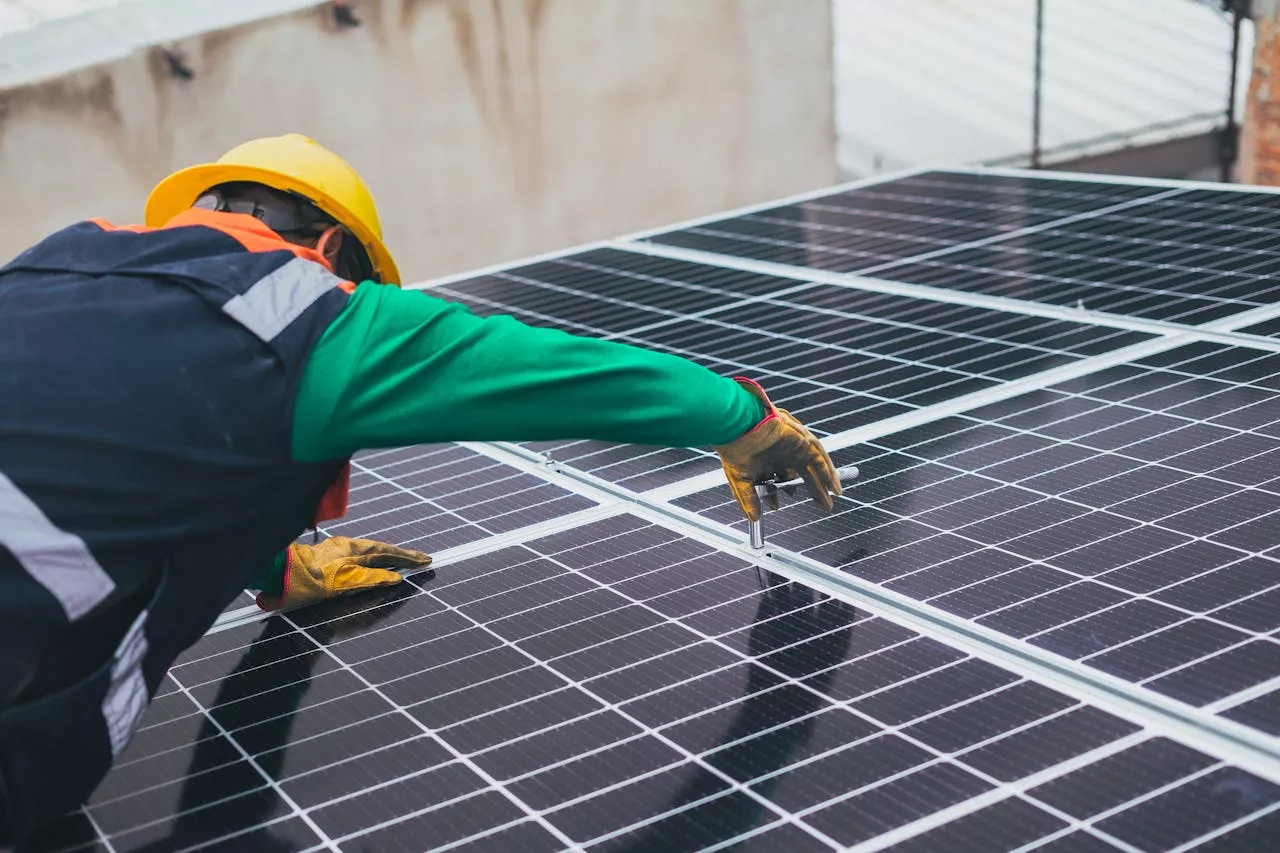
These apprenticeships cover a range of in-demand roles, including heat pump installation, solar panel installation, construction site management, and heating system maintenance. Throughout the program, participants receive comprehensive support, including mentoring, career coaching, and employability workshops.
The initiative also emphasizes ecosystem development by fostering stronger collaboration between employers, training providers, and industry bodies. A network of 50 industry professionals will act as ambassadors, helping to attract additional employers and promote inclusive hiring practices. By sharing best practices and raising awareness of energy sector careers, the program aims to create a more supportive environment for workforce development.
The expected outcomes are ambitious but measurable. The program aims to place 600 young people into apprenticeships, with at least 80% expected to secure employment in the energy sector within six months of completion. This focus on outcomes reflects a broader shift toward results-driven workforce development strategies.
A Broader Commitment to Workforce Development
JPMorganChase’s latest announcement builds on its longstanding commitment to skills development, job creation, and economic inclusion. With more than 30,000 employees across Europe, the Middle East, and Africa, the firm recognizes the importance of investing in human capital to support sustainable growth.
Through its philanthropic initiatives, JPMorganChase has supported tens of thousands of individuals across the EMEA region in accessing employment, apprenticeships, and training opportunities over the past five years. In France alone, nearly 24,000 people have benefited from career and skills development programs supported by the firm.
By focusing on high-growth sectors such as clean energy, JPMorganChase aims to align its workforce development efforts with broader economic and environmental priorities. The transition to a low-carbon economy presents both challenges and opportunities, and ensuring that workers have the skills needed to participate in this transition is critical.
Building a Sustainable Talent Pipeline
The €3.35 million investment represents more than just a funding commitment—it reflects a strategic approach to addressing one of the most pressing challenges facing Europe’s energy transition: the availability of skilled talent. By combining large-scale training programs with targeted apprenticeship initiatives, JPMorganChase is helping to build a more resilient and inclusive workforce.
As the energy sector continues to evolve, initiatives like the Energy Transition Talent Accelerator and the apprenticeship program in France will play a crucial role in bridging the gap between education and employment. By aligning training with employer needs and focusing on measurable outcomes, these programs offer a blueprint for scalable, impact-driven workforce development.
Ultimately, the success of Europe’s energy transition will depend not only on technological innovation and policy frameworks but also on the people who design, build, and maintain the systems of the future. Through its latest investment, JPMorganChase is contributing to the development of that workforce—ensuring that the benefits of the energy transition are both widespread and inclusive.
Source Link: https://www.businesswire.com/