

ChargePoint Unveils Fastest Standalone EV Charger
ChargePoint (NYSE: CHPT), a global leader in electric vehicle (EV) charging solutions, has unveiled a major new innovation aimed at reshaping the future of fast charging infrastructure. The company introduced Express Solo, a next-generation DC fast charger designed to deliver unprecedented speed, efficiency, and flexibility for EV drivers and charging network operators alike. With the ability to provide up to 600kW of power to a single vehicle, Express Solo stands out as the world’s fastest standalone EV charger for mass-market passenger vehicles, marking a significant milestone in the evolution of EV charging technology.
As EV adoption accelerates worldwide, one of the most critical challenges facing the industry is the need for faster, more reliable, and more scalable charging infrastructure. Express Solo represents ChargePoint’s answer to this demand. Built on the company’s newly developed Express DC fast charging architecture, the system is engineered not only for speed but also for adaptability in a wide range of environments. Whether deployed in dense urban settings or along major transportation corridors, the charger is designed to maximize performance while minimizing space requirements and installation complexity.
A key advantage of Express Solo is its compact, all-in-one design. Unlike traditional charging systems that often require multiple components and significant physical space, this new charger consolidates high-power capabilities into a single cabinet. This streamlined form factor allows it to be installed in locations where space is limited, such as city gas stations, retail parking lots, and convenience stores. By reducing the footprint and simplifying construction requirements, ChargePoint enables site owners to deploy high-speed charging more quickly and at a lower cost.
Despite its compact size, Express Solo delivers exceptional power density—approximately 40% higher than many competing DC fast charging solutions currently available. This means more charging capability in less space, an important factor as urban areas face increasing constraints on land use. For businesses and municipalities seeking to expand EV infrastructure without large-scale construction projects, this efficiency could prove highly valuable.
The charger is also designed with scalability in mind. Express Solo can charge up to two vehicles simultaneously in its base configuration. However, it can be paired with an additional dispenser to support up to four vehicles at once. This flexibility allows operators to start with a smaller installation and expand over time as demand grows. Importantly, the system can dynamically distribute power across multiple vehicles, delivering any combination of output levels up to 600kW per port. This capability ensures optimal utilization of available power and reduces wait times for drivers.
Beyond raw performance, Express Solo introduces innovations that could significantly improve the economics of EV charging. By increasing the number of vehicles that can be served simultaneously and reducing installation and operational costs, the system offers a compelling value proposition for station owners. Higher throughput and faster charging sessions can translate into increased revenue, while the modular architecture minimizes upfront investment and simplifies future upgrades.
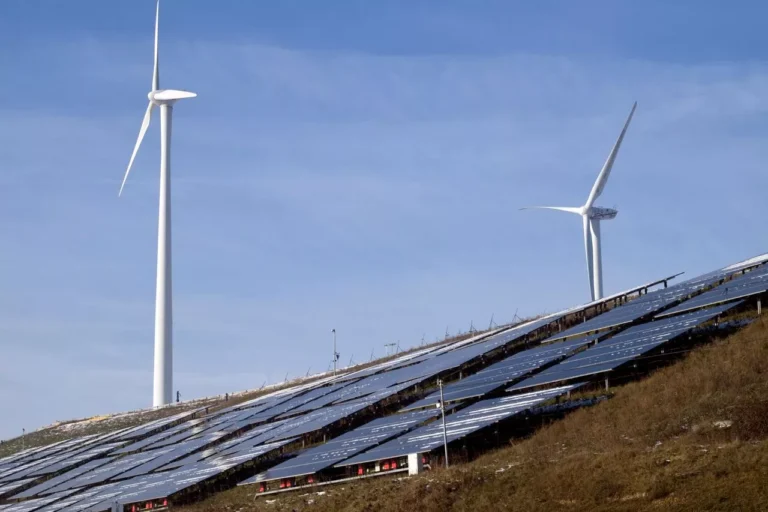
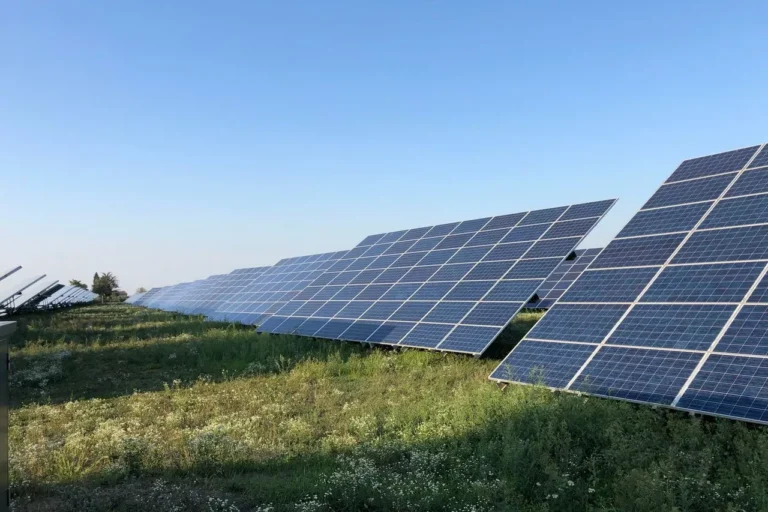
Rick Wilmer, CEO of ChargePoint, emphasized that the new Express architecture goes beyond simply delivering higher charging speeds. According to him, the real breakthrough lies in how efficiently and flexibly that power is delivered. He highlighted the system’s ability to integrate with renewable energy sources, such as solar power, and energy storage solutions like batteries. This capability allows charging stations to operate more sustainably and reduce their dependence on the electrical grid, which is especially important in regions where grid capacity is limited.
Indeed, grid constraints are one of the biggest barriers to scaling EV charging infrastructure. High-power chargers require significant electrical capacity, which is not always readily available, particularly in older urban areas. Express Solo addresses this challenge by supporting direct DC power input and enabling integration with onsite energy generation and storage systems. This means that stations can supplement grid power with locally generated renewable energy, improving reliability and reducing strain on existing infrastructure.
Another major challenge in the EV charging industry is reliability. Drivers expect charging stations to be available and functional when they need them, yet many networks have struggled with downtime and inconsistent performance. ChargePoint aims to tackle this issue through its advanced system design and integration capabilities. The Express architecture is built to ensure consistent operation, with features that support efficient power management and seamless interoperability with different types of EV connectors.
In particular, the system is compatible with both CCS (Combined Charging System) and NACS (North American Charging Standard) connectors, thanks to ChargePoint’s Omni Port technology. This ensures that a wide range of EV models can use the charger without compatibility issues, enhancing the user experience and making the infrastructure more inclusive.
The launch of Express Solo also reflects ChargePoint’s broader strategy to expand its presence beyond North America. For the first time, the company will offer a DC fast charger across European markets as well. This move aligns with the rapid growth of EV adoption in Europe and the increasing demand for high-performance charging solutions. By entering new markets with a cutting-edge product, ChargePoint aims to strengthen its position as a global leader in EV infrastructure.
In addition to its standalone capabilities, Express Solo is part of a larger ecosystem of solutions developed under the Express architecture. This ecosystem is designed to address four key challenges in scaling EV charging: grid limitations, charging speed, reliability, and cost. Future products in the lineup will build on the same principles, offering even greater flexibility and performance.
A notable aspect of this initiative is ChargePoint’s collaboration with Eaton, an intelligent power management company. Together, the two companies have developed integrated solutions that combine EV charging hardware with comprehensive power infrastructure. One example is ChargePoint Express Grid powered by Eaton, which is designed to simplify deployment and reduce both capital and operational expenses.
This partnership enables a more holistic approach to EV charging infrastructure. Instead of treating charging stations as isolated assets, the integrated system considers the entire energy ecosystem, from power generation and distribution to storage and consumption. This approach not only improves efficiency but also accelerates the deployment process, making it easier for businesses and municipalities to adopt EV charging solutions.
Another significant benefit of Express Solo is its future-ready design. As EV technology continues to evolve, charging infrastructure must be able to adapt to new requirements. The modular architecture of Express Solo allows for upgrades and expansions without the need for complete system replacement. This ensures that investments made today will remain relevant in the years to come.
Furthermore, the system’s ability to support bidirectional charging opens up new possibilities for energy management. In the future, EVs could potentially supply power back to the grid or to buildings, creating a more dynamic and resilient energy network. By incorporating this capability, ChargePoint positions itself at the forefront of emerging trends in energy and mobility.
From a user perspective, the benefits of Express Solo are clear. Faster charging times mean less waiting and greater convenience, making EV ownership more practical for a wider audience. The availability of high-speed chargers in more locations also reduces range anxiety, one of the primary concerns among potential EV buyers.
For businesses, the advantages extend beyond customer satisfaction. Installing high-performance chargers can attract more visitors, increase dwell time, and create new revenue streams. Retailers, for example, can benefit from customers spending time in their stores while their vehicles charge. Similarly, fuel stations can transition into energy hubs, offering both traditional fuels and electric charging services.
Municipalities and governments also stand to gain from the deployment of advanced charging infrastructure. By supporting the transition to electric mobility, they can reduce greenhouse gas emissions, improve air quality, and meet sustainability goals. Solutions like Express Solo make it easier to achieve these objectives by lowering barriers to installation and operation.
In summary, the introduction of Express Solo represents a significant advancement in EV charging technology. By combining ultra-fast charging speeds, high power density, compact design, and scalable architecture, ChargePoint has created a solution that addresses many of the challenges facing the industry today. Its integration with renewable energy systems and collaboration with Eaton further enhance its capabilities, positioning it as a key component of the future energy landscape.
As the world moves toward greater electrification of transportation, innovations like Express Solo will play a crucial role in enabling this transition. By making charging faster, more accessible, and more efficient, ChargePoint is helping to pave the way for a more sustainable and connected future.
Source Link: https://www.businesswire.com/