

GE Vernova Secures Major Wind Turbine Agreement for Spain’s Santa Maria de las Fuentes Wind Farm, Strengthening Renewable Energy Expansion
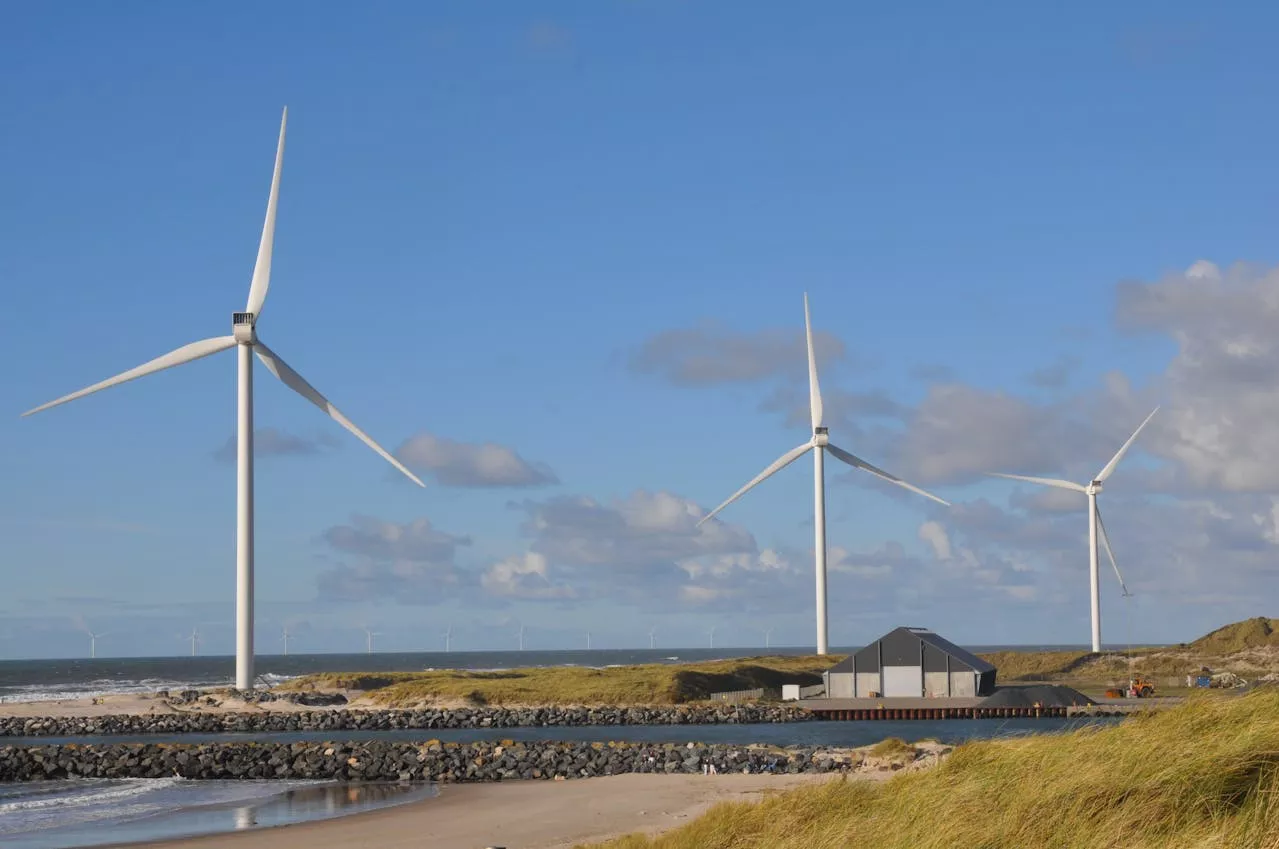
GE Vernova Inc. (NYSE: GEV) has announced a significant new agreement to supply 15 of its advanced 6.1 MW-158m wind turbines for the Santa Maria de las Fuentes wind farm in Spain. The project is being developed by the renewable energy company Renovalia. The order was officially booked in the fourth quarter of 2025 and represents another important milestone in GE Vernova’s ongoing role in Europe’s clean energy transition, particularly in one of its most strategically important wind markets.
This new wind farm project highlights both the growing demand for high-capacity onshore wind technology and Spain’s accelerating push toward large-scale renewable energy deployment as part of its national decarbonization strategy.
A Strategic Project in Spain’s Renewable Energy Transition
Spain has positioned itself as one of Europe’s leading renewable energy adopters, with ambitious long-term goals aimed at transforming its electricity system. The country has set a target of installing approximately 62 gigawatts (GW) of wind energy capacity by 2030. This expansion is a key pillar in Spain’s broader objective of generating more than 80 percent of its electricity from renewable sources by the end of the decade.
The Santa Maria de las Fuentes wind farm fits directly into this national roadmap. By integrating GE Vernova’s high-performance wind turbines, the project is expected to contribute meaningfully to clean electricity generation while also improving grid reliability and supporting Spain’s energy independence goals.
Wind energy already plays a central role in Spain’s power mix, and projects like this one are essential to maintaining momentum as older installations are repowered and new capacity is added to meet rising electricity demand driven by electrification, industrial growth, and digital infrastructure expansion.
GE Vernova’s Technology and the 6.1 MW Platform
At the center of this agreement is GE Vernova’s 6.1 MW-158m wind turbine platform, often described as a “workhorse” technology due to its balance of efficiency, scalability, and reliability. These turbines are specifically engineered for strong performance in medium to high wind conditions, which are common across many regions of Spain.
Each turbine in this configuration is designed to maximize energy output while minimizing levelized cost of electricity (LCOE), a critical metric for developers and utilities seeking competitive renewable energy pricing. The 158-meter rotor diameter allows for greater energy capture even in lower wind speeds, improving overall project yield and making the technology suitable for a wide range of onshore wind environments.
GE Vernova’s design philosophy focuses on modular engineering, operational efficiency, and long-term durability. These characteristics are particularly important in European markets, where wind farms are expected to operate reliably for decades while maintaining strong performance under varying weather conditions.
Strengthening GE Vernova’s Position in Spain
The agreement further reinforces GE Vernova’s established presence in Spain’s renewable energy sector. The company currently accounts for approximately 6 GW of installed wind capacity in the country, making it one of the key technology providers supporting Spain’s wind infrastructure.
Beyond installed capacity, GE Vernova maintains a significant industrial and technical footprint in Spain. Its operations include manufacturing facilities in Toledo, Ponferrada, and Castellón, as well as an engineering center of excellence in Barcelona. These sites play a crucial role in supporting both local and European wind energy markets, contributing to turbine production, component supply chains, and technical innovation.
This localized presence also helps improve project execution timelines, enhance service capabilities, and strengthen collaboration with regional developers such as Renovalia. It further aligns with Spain’s broader industrial policy goals of promoting domestic clean energy manufacturing and skilled employment.
Perspectives from Industry Leaders
Commenting on the agreement, Gilan Sabatier, Chief Commercial Officer of Onshore Wind for International Markets at GE Vernova, emphasized the importance of the project in the context of Spain’s evolving energy landscape.
He stated:
“We are pleased to announce this latest agreement for the Santa Maria de las Fuentes wind farm. Our workhorse turbines are well-suited to the wind conditions found across Spain, providing the reliability and performance necessary as our customers look to meet rising energy demand, bolster energy security, and achieve ambitious decarbonization targets.”
Sabatier’s remarks highlight a broader trend in the energy sector: the increasing need for scalable renewable solutions that can meet both climate goals and energy security requirements simultaneously.
From the developer’s perspective, José Manuel Olea, CEO of Renovalia, underscored the strategic importance of the partnership with GE Vernova:
“The Santa María de las Fuentes wind farm represents another significant step forward in our vision to be a leading platform in the renewable energy sector. This partnership with GE Vernova allows us to implement advanced technology that optimizes clean energy production while contributing to the stability of the national grid. We remain committed to developing projects that not only meet environmental targets but also drive economic growth and sustainability in the regions where we operate.”
Renovalia’s statement reflects the dual role of modern wind projects—not only as environmental solutions but also as drivers of regional development, investment, and long-term energy infrastructure stability.
Broader Market Context and Industry Significance
The global wind energy market is undergoing rapid transformation, driven by increasing electrification, corporate sustainability commitments, and government-led climate policies. Europe, in particular, continues to be a major hub for wind energy expansion, with countries like Spain, Germany, and the United Kingdom investing heavily in new capacity and repowering aging wind farms.
In this context, GE Vernova’s continued deployment of its 6.1 MW platform reflects a broader industry shift toward larger, more efficient turbines capable of delivering higher energy yields per installation. This trend helps reduce project costs while improving land-use efficiency, making wind energy more competitive with fossil fuel-based generation.
The Santa Maria de las Fuentes project also demonstrates how established turbine manufacturers are adapting to evolving market demands by offering standardized, high-performance platforms that can be deployed across multiple geographies with minimal customization.
GE Vernova’s Global Wind Portfolio
GE Vernova’s wind division maintains a substantial global footprint, with an installed base of approximately 59,000 turbines and more than 120 GW of total installed capacity worldwide. This extensive portfolio reflects more than two decades of experience in wind technology development, manufacturing, and service operations.
The company’s product range includes next-generation high-powered turbines designed to support global decarbonization objectives while ensuring affordability and reliability. Its technologies are widely deployed across North America, Europe, Latin America, and parts of Asia, contributing to large-scale renewable energy integration into national grids.
In addition to hardware, GE Vernova also provides long-term service agreements, digital monitoring solutions, and performance optimization tools aimed at maximizing turbine uptime and energy output over the full lifecycle of wind assets.
Contribution to Spain’s Energy Security and Decarbonization Goals
Projects like Santa Maria de las Fuentes are increasingly important as Spain balances rising electricity demand with its commitment to reducing greenhouse gas emissions. Wind energy plays a critical role in this transition, offering a domestic, low-carbon energy source that reduces reliance on imported fossil fuels.
By expanding wind capacity and integrating advanced turbine technology, Spain is strengthening its energy security while also contributing to European Union-wide climate targets. The collaboration between GE Vernova and Renovalia reflects a broader ecosystem of partnerships necessary to achieve these objectives at scale.
Source Link: https://www.gevernova.com/