Woodside Energy Assumes Operational Control of Beaumont New Ammonia Facility in Texas
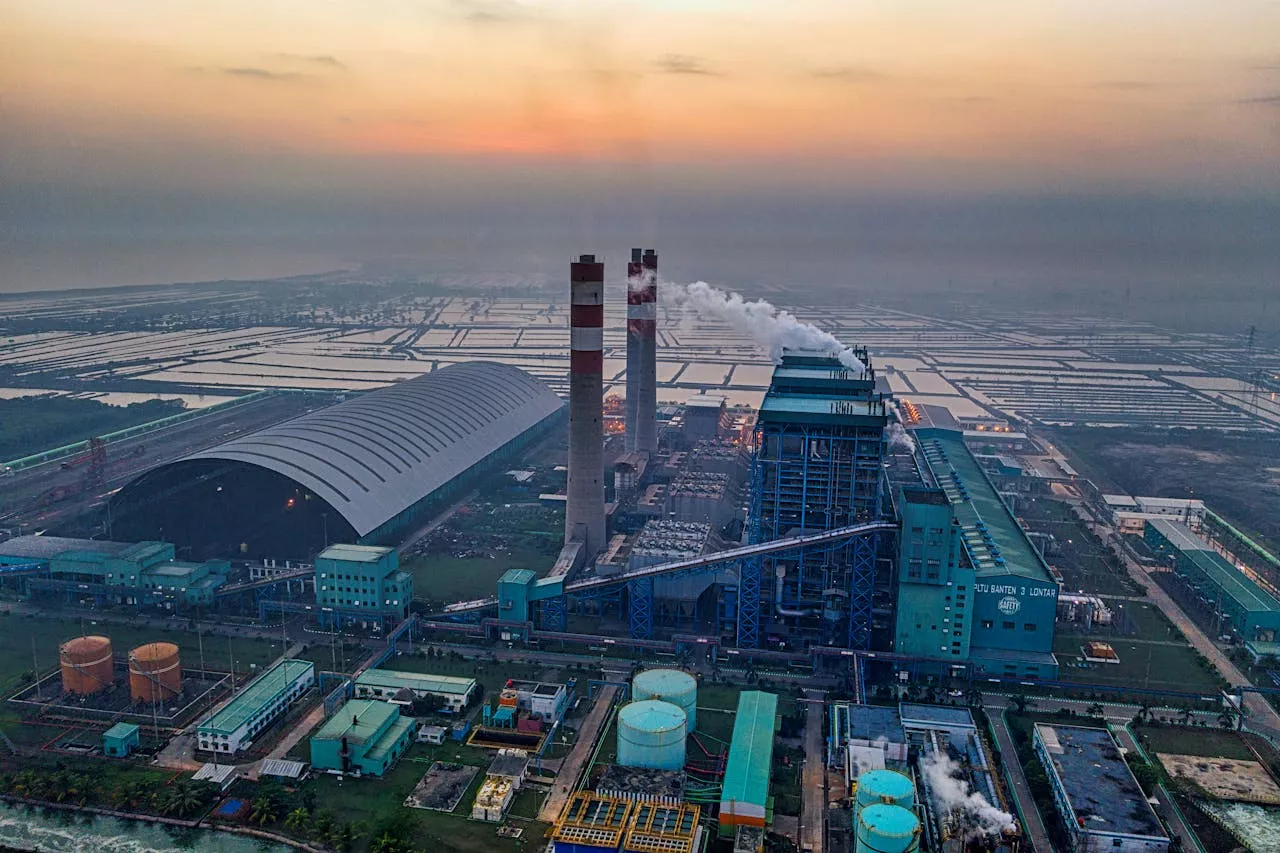
Woodside Energy has officially assumed operational control of the Beaumont New Ammonia (BNA) facility in southeast Texas, marking a significant milestone in the company’s expansion into the global ammonia market and broader lower-carbon energy sector. The transition follows the successful completion of performance testing and the formal handover of the facility from OCI Global, which previously oversaw the development and construction of the project.
The Beaumont New Ammonia facility represents a major addition to Woodside’s growing portfolio of energy infrastructure assets. With a production capacity of up to 1.1 million tonnes of ammonia per year, the facility is designed to support both domestic supply and large-scale export operations. Industry analysts note that once fully operational, the plant could nearly double the ammonia export capacity of the United States, strengthening the country’s role in global ammonia trade while also supporting regional economic development along the Gulf Coast.
Ammonia is an essential chemical widely used in agriculture for fertilizer production, as well as in various industrial applications. In recent years, ammonia has also gained attention as a potential energy carrier and fuel for decarbonization strategies, particularly in sectors such as shipping and power generation. By investing in ammonia production and export capabilities, Woodside aims to position itself in a market expected to grow significantly as global demand for cleaner energy alternatives increases.
According to Woodside Chief Executive Officer Liz Westcott, the assumption of operational control at the Beaumont New Ammonia facility marks a key step in the company’s strategic transition toward new energy products and services that support lower-carbon energy systems.
“Successful completion of performance testing and assumption of operational control of the Beaumont New Ammonia facility is an important milestone in Woodside’s strategy to invest in new energy products and lower-carbon services,” Westcott said in a statement.
She added that while the facility is entering its operational phase during a period of market volatility and supply chain challenges, the company remains focused on maintaining safe operations and ensuring reliable ammonia deliveries to customers.
“In the facility’s operational phase and in the face of current market disruptions, we remain focused on safely delivering ammonia supply to our customers,” Westcott said. “In the longer term, we retain our goal of supporting the development of a competitive lower-carbon ammonia sector.”
Woodside’s involvement in the Beaumont New Ammonia project stems from its acquisition of OCI’s clean ammonia business in 2024. In September of that year, the company completed the purchase of 100 percent of OCI Clean Ammonia Holding B.V. from OCI Global. The acquisition formed a key component of Woodside’s strategy to expand its presence in emerging energy markets.
The agreed transaction value totaled approximately $2.35 billion in an all-cash deal that included the capital expenditures required to complete the project. At the time the acquisition was finalized, Woodside paid 80 percent of the total consideration. The remaining 20 percent was structured as a deferred payment to be made upon the successful completion of the facility and the transfer of operational control to Woodside. With the handover now completed, the final portion of the payment has been settled, subject to customary adjustments related to closing conditions and other contractual items.
Construction and commissioning of the Beaumont New Ammonia facility progressed through 2025, culminating in the start of ammonia production in December of that year. Initial operations have focused on producing conventional ammonia, which is derived primarily from natural gas through established industrial processes.
However, Woodside’s longer-term ambitions for the project include the production of lower-carbon ammonia, which can be achieved through carbon capture technologies or the use of low-emissions hydrogen as a feedstock. These approaches aim to significantly reduce the carbon footprint associated with traditional ammonia production.
Despite these ambitions, the timeline for lower-carbon ammonia production has been adjusted. According to the company, output of low-emissions ammonia from the Beaumont facility is now expected to begin after 2026. The delay is linked to construction challenges at a third-party facility responsible for supplying key feedstock materials required for the lower-carbon production process.
While this development has pushed back the timeline for low-emissions ammonia, Woodside maintains that the Beaumont facility remains well positioned to supply conventional ammonia to global markets in the near term. The company believes this approach allows it to establish a strong commercial foundation while preparing for the eventual transition toward lower-carbon products.
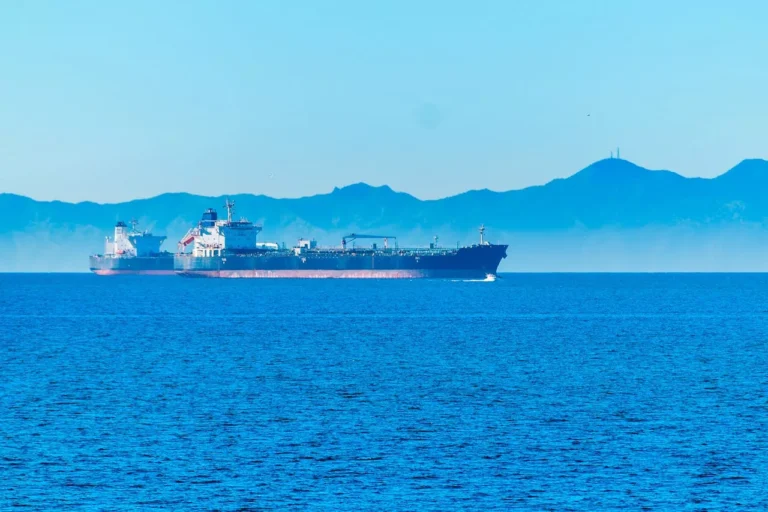
The Beaumont facility is strategically located near key transportation and export infrastructure along the Texas Gulf Coast. This location enables efficient shipment of ammonia to international markets through established port facilities, giving Woodside access to growing demand in regions such as Europe and Asia where ammonia is increasingly viewed as a potential energy carrier and decarbonization solution.
As part of its commercialization strategy, Woodside has been actively pursuing offtake agreements for ammonia produced at the BNA facility. Offtake agreements are long-term contracts under which buyers commit to purchasing a specified volume of product, providing producers with stable revenue streams and helping support project financing.
The company has already secured several offtake agreements tied to prevailing market prices within the conventional ammonia sector. These agreements ensure that a portion of the facility’s production capacity is committed to established buyers, helping stabilize early operations.
At the same time, Woodside continues to negotiate additional sales contracts in line with the expected production capacity of the Beaumont New Ammonia plant. These negotiations include both traditional ammonia buyers and potential customers interested in lower-carbon ammonia solutions as the market for cleaner fuels continues to evolve.
Industry observers note that ammonia is gaining increasing attention as a versatile energy commodity. In addition to its long-standing role in fertilizer production, ammonia can be used as a hydrogen carrier, enabling the transport of hydrogen energy across long distances. It is also being explored as a potential fuel for maritime shipping and power generation, particularly in countries pursuing aggressive decarbonization goals.
Woodside’s investment in the Beaumont facility reflects the company’s broader strategy to diversify beyond its traditional oil and gas operations. By expanding into ammonia production and related lower-carbon technologies, the company aims to participate in emerging energy markets while supporting the global transition toward cleaner energy systems.
The successful handover of the Beaumont New Ammonia facility therefore represents not only the completion of a major infrastructure project but also a strategic step in Woodside’s evolving business model. With operational control now firmly in place, the company is expected to focus on optimizing production, strengthening customer relationships, and positioning the facility for future lower-carbon ammonia development.
As global energy markets continue to shift toward decarbonization and alternative fuels, projects such as Beaumont New Ammonia could play an increasingly important role in connecting traditional energy infrastructure with the emerging low-carbon economy. For Woodside, the facility stands as a key asset in its efforts to expand into new energy products while maintaining its presence in global energy supply chains.
Source Link: https://www.businesswire.com/