

TotalEnergies Restarts Production at Libya’s Mabruk Oil Field
TotalEnergies has announced the successful restart of oil production at the Mabruk oil field in Libya, marking a significant milestone in the company’s long-standing operations in the North African nation. The field, in which TotalEnergies holds a 37.5% stake, had been shut down for more than a decade before resuming operations in early 2026. The restart represents a major step forward for both the company and Libya’s oil sector, which continues to recover and expand after years of disruptions.
Revival of the Mabruk Oil Field
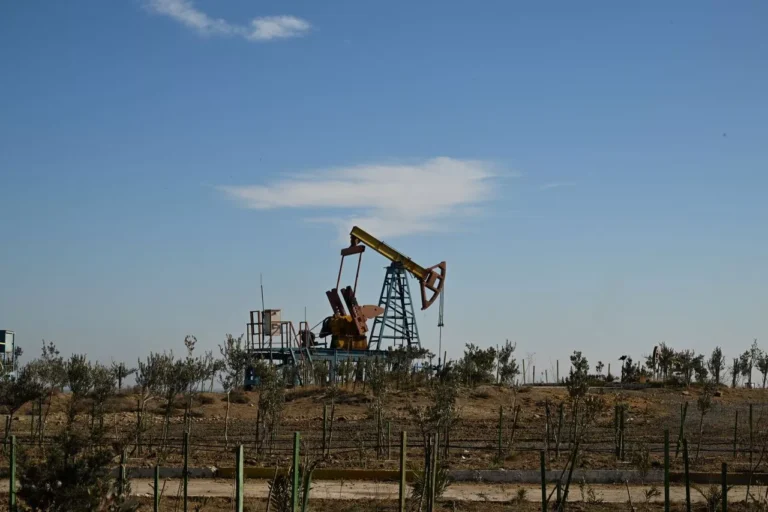
The Mabruk field is located onshore in Concession C17, approximately 130 kilometers south of the coastal city of Sirte in central Libya. Oil production at the site was halted in 2015 due to the security and operational challenges that affected many energy projects in the country during that period. Since then, stakeholders have worked to restore operations and bring the field back into production.
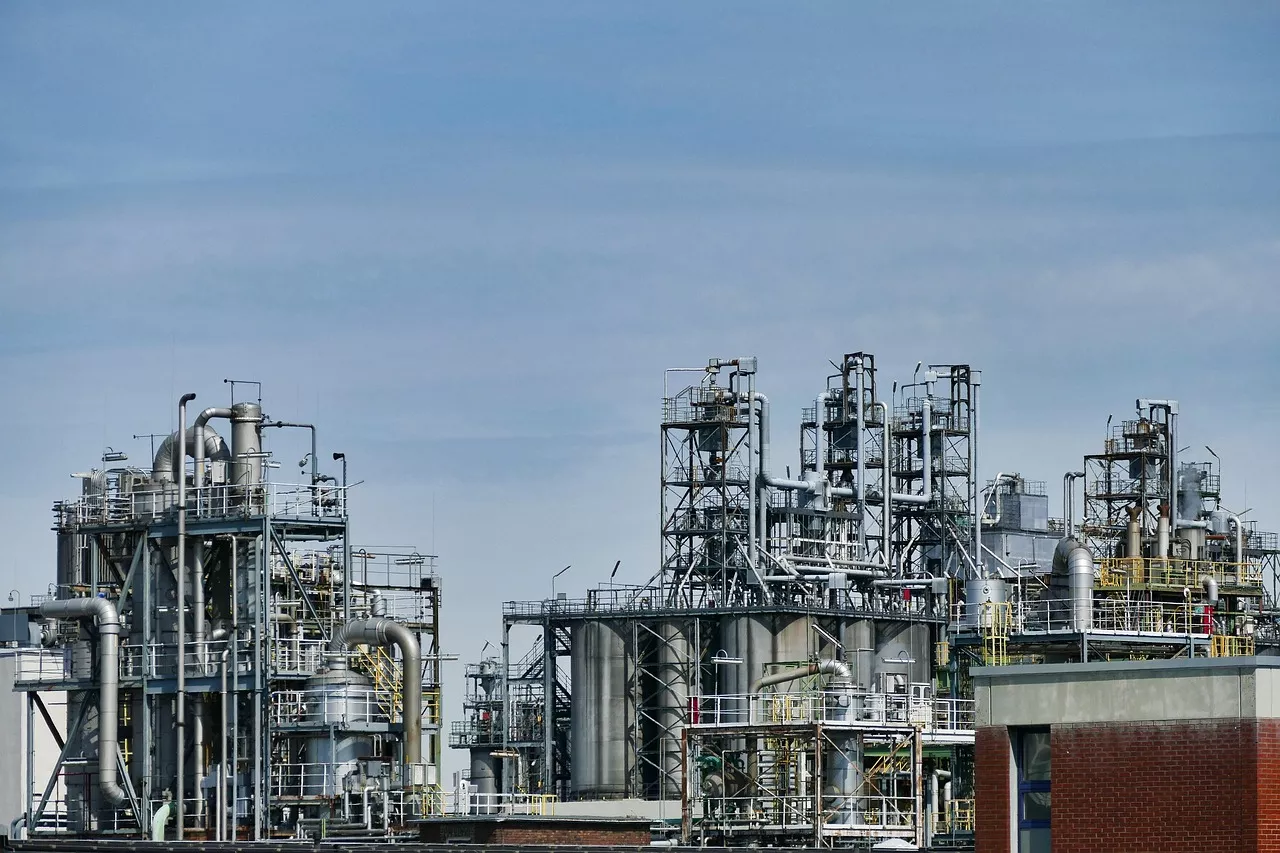
The project to revive the field gained momentum in May 2024, when construction began on a new production facility designed to modernize and expand the field’s capabilities. This new unit has a production capacity of up to 25,000 barrels of oil per day, enabling the site to return to meaningful output levels while incorporating updated infrastructure and efficiency improvements.
The development moved forward rapidly, and the new facility was completed in less than two years. Production officially restarted on February 28, 2026, marking the return of the Mabruk field to Libya’s energy production network.
Strategic Importance for TotalEnergies
According to company leadership, the restart of the Mabruk field underscores TotalEnergies’ long-term commitment to Libya’s energy sector and its broader regional strategy.
Julien Pouget, Director for the Middle East and North Africa region within the company’s Exploration & Production division, highlighted the significance of the project. He noted that the restart coincides with a major milestone for TotalEnergies—70 years of operations in Libya—reflecting the company’s enduring presence and partnership with the country.
Pouget emphasized that the Mabruk development aligns with the company’s global strategy of focusing on low-cost and lower-emissions oil production. The project contributes to TotalEnergies’ broader objective of achieving average annual production growth of around 3% through 2030, while maintaining operational efficiency and reducing environmental impact.
The modernization of the field’s infrastructure plays a key role in supporting that strategy. By incorporating updated technology and production systems, the new facility at Mabruk aims to optimize operational performance while minimizing emissions and operational costs compared with older installations.
Contribution to Libya’s Oil Sector
The restart of production at the Mabruk field is also an important development for Libya’s oil industry, which remains one of the largest in Africa and a crucial pillar of the country’s economy.
After years of interruptions caused by political instability, infrastructure damage, and security challenges, Libya has been gradually restoring and expanding its oil production capacity. Projects like the revival of Mabruk are part of broader efforts to bring dormant fields back online and increase national output.
Once fully operational, the field’s 25,000 barrels per day capacity will contribute to Libya’s overall oil production and export volumes. Increased production can help strengthen the country’s revenue base, support economic recovery, and improve stability within the energy sector.
TotalEnergies’ Long History in Libya
TotalEnergies has been active in Libya since 1956, making the country one of the company’s longest-standing operational territories. Over the decades, the company has participated in numerous exploration, development, and production projects across both offshore and onshore areas.
In 2025, TotalEnergies’ production in Libya averaged approximately 113,000 barrels of oil equivalent per day. This output came from a diverse portfolio of fields and concessions, highlighting the company’s broad involvement in the country’s upstream sector.
Among the key assets contributing to this production are the offshore Al Jurf field, the El Sharara onshore fields, the Mabruk field, and the Waha concessions. Each of these areas plays a distinct role in the company’s Libyan operations.
Offshore Production at Al Jurf
One of TotalEnergies’ major offshore assets in Libya is the Al Jurf field, located in the Mediterranean Sea. The company holds a 37.5% interest in the project, which has been an important source of production for years.
Offshore operations such as Al Jurf complement the company’s onshore activities and help diversify its production portfolio within the country.
Onshore Operations at El Sharara
TotalEnergies also maintains interests in the El Sharara field, one of Libya’s largest oil-producing areas. The company holds a 15% interest in former Block NC 115 and a 12% interest in former Block NC 186, both located in southwestern Libya.
The Sharara field has historically been a key contributor to Libya’s national oil output, and international partners like TotalEnergies have played a role in maintaining and developing its production capabilities.
The Waha Concessions
Another significant component of TotalEnergies’ Libyan portfolio is its participation in the Waha concessions, a large onshore oil production area.
The concessions are jointly held by National Oil Corporation (NOC), TotalEnergies, and ConocoPhillips. Ownership is distributed as follows:
- NOC: 59.16%
- TotalEnergies: 20.42%
- ConocoPhillips: 20.42%
Operations in the Waha concessions are managed by Waha Oil Company, which is fully owned by Libya’s National Oil Corporation. The company oversees production activities and coordinates with international partners involved in the concession.
Recent developments, including the extension of the Waha concessions, further strengthen TotalEnergies’ long-term presence in Libya and reinforce the company’s commitment to expanding production in partnership with local authorities.
Aligning with Global Energy Strategy
For TotalEnergies, projects like the Mabruk restart represent more than just an operational milestone—they are also part of the company’s broader global energy strategy.
The company aims to maintain strong oil and gas production while simultaneously investing in lower-emissions technologies and energy transition initiatives. Within its upstream portfolio, TotalEnergies is prioritizing projects that offer competitive production costs, efficient infrastructure, and lower operational emissions.
The redevelopment of the Mabruk field fits these criteria, combining a relatively quick development timeline with updated production facilities designed to improve operational performance.
Source Link: https://www.businesswire.com/