

Deep Fission Begins Borehole Drilling for Groundbreaking Underground Nuclear Reactor Project
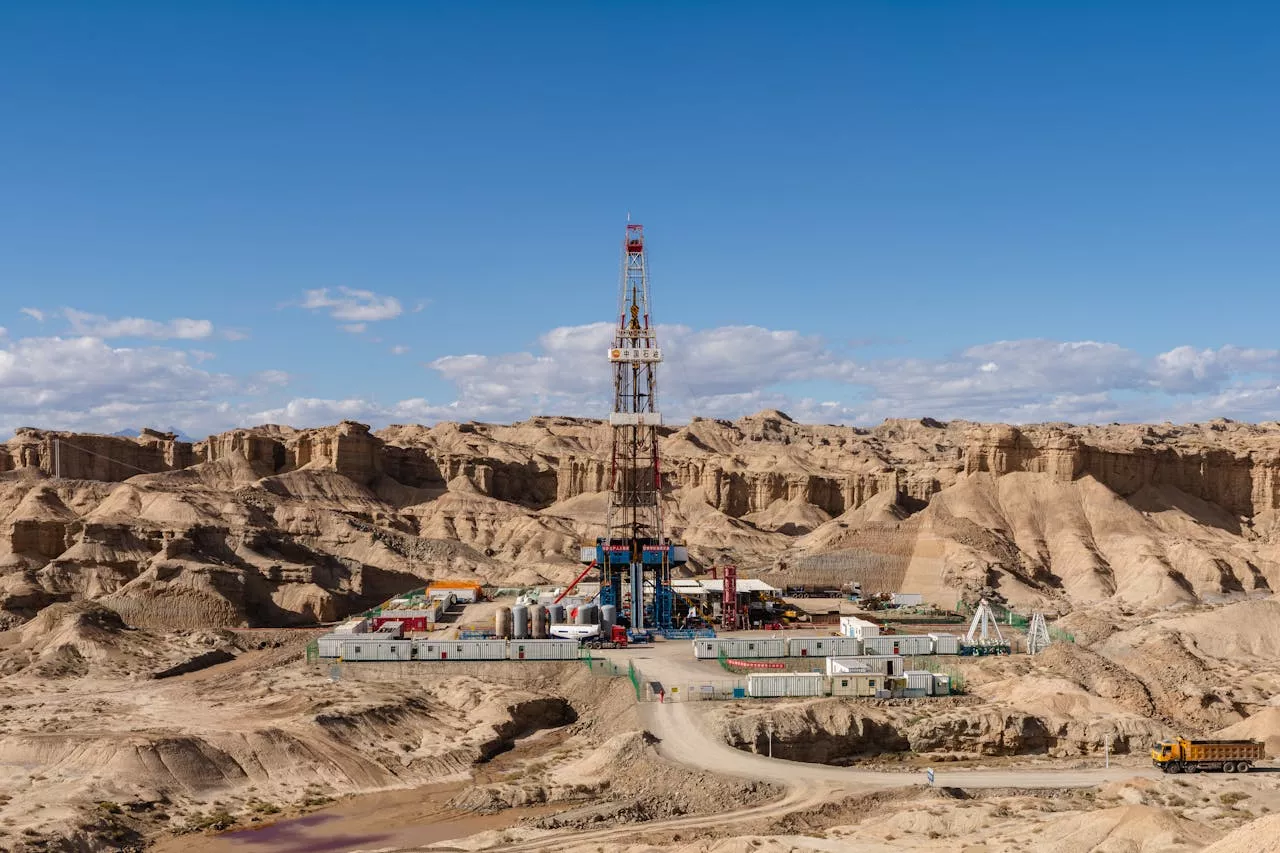
Deep Fission, Inc., an advanced nuclear energy company pioneering a new approach to nuclear power generation, has announced the start of drilling operations for its first data acquisition well in Parsons, Kansas. The milestone marks the beginning of on-site development for the company’s innovative underground nuclear reactor technology and represents a significant transition from planning and design toward real-world implementation.
The initial well is expected to reach a depth of approximately 6,000 feet and will have a diameter of about eight inches. It is the first of three wells that will be drilled as part of an extensive site characterization and engineering validation program. These wells will allow Deep Fission to collect essential data about the subsurface environment and confirm the feasibility of its unique nuclear reactor deployment model.
The drilling campaign is being carried out at the company’s project site in Parsons, where construction of the drilling pad has already been completed. This infrastructure milestone ensures that the site is prepared for safe and efficient drilling activities while providing the foundation for further field development. With the drilling pad in place and operations underway, the company has entered a new phase of development focused on technical validation and site analysis.
According to company leadership, the start of drilling represents a defining moment for Deep Fission and its approach to advanced nuclear energy. Liz Muller, CEO and Co-Founder of Deep Fission, emphasized that the project is moving beyond theoretical design and into physical demonstration.
She noted that drilling the first borehole marks a critical turning point for the company. The step signifies a shift from concept and engineering studies toward construction and deployment, while also beginning the process of proving that a fundamentally new model for nuclear energy generation can be achieved safely and effectively.
The purpose of the data acquisition well is to gather detailed geological, hydrological, and thermal information from deep underground. These measurements will play a central role in informing the company’s final reactor engineering design, safety analysis, and regulatory preparation. By collecting accurate subsurface data, Deep Fission aims to refine its reactor installation methods and confirm the suitability of the site for long-term nuclear operations.
Once drilling is completed, the company plans to conduct a series of testing and evaluation activities. These tests will help engineers better understand rock stability, groundwater characteristics, temperature gradients, and other critical parameters that influence underground reactor performance. The results will also contribute to a broader technical evaluation program designed to accelerate the company’s path toward commercial deployment of its reactor technology.
Deep Fission’s approach to nuclear power represents a departure from traditional nuclear plant designs. Instead of constructing large reactors above ground, the company is developing small modular pressurized water reactors that can be installed deep underground in sealed boreholes. These reactors, known as Gravity Reactors, are designed to operate approximately one mile beneath the Earth’s surface.
The underground placement offers several potential advantages. By installing reactors within stable bedrock formations, the design leverages natural geological shielding to enhance safety and containment. The surrounding rock acts as a barrier that can help isolate the reactor from external hazards while also providing additional protection against radiation exposure.
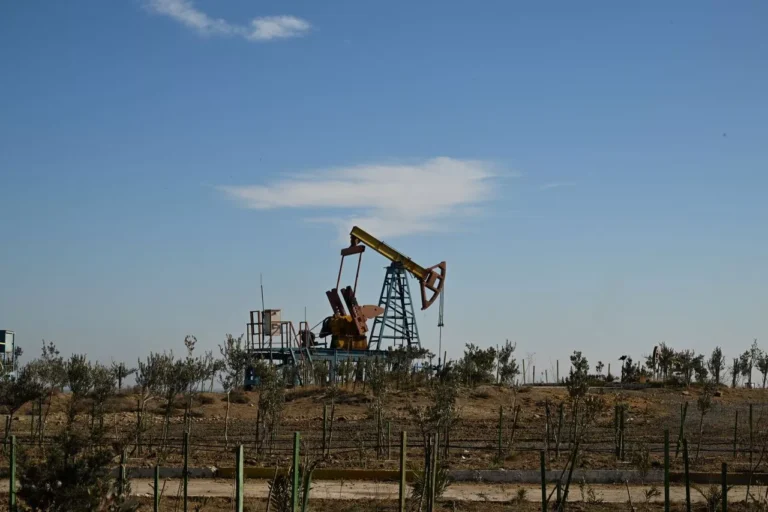
Another key feature of the system is its integration of established pressurized water reactor technology with advanced drilling methods commonly used in the oil and gas industry. Over the past several decades, drilling techniques developed for energy exploration have enabled operators to reach deep underground environments with precision and efficiency. Deep Fission is applying these capabilities to the nuclear energy sector, combining them with geothermal heat-transfer principles to support reactor cooling and thermal management.
The company believes this hybrid approach can deliver reliable nuclear energy while reducing the complexity and cost typically associated with large surface-based nuclear power plants. By utilizing deep boreholes rather than massive above-ground structures, the design may also allow for more flexible siting options and faster deployment timelines.
The three-well drilling program currently underway in Parsons will provide the critical subsurface data needed to move the project forward. The first well focuses on collecting geological and environmental information, while additional wells planned for the program will expand the dataset and support further technical validation.
Data collected during the drilling process will help engineers determine how the underground environment interacts with reactor systems and confirm the viability of installing the Gravity Reactor at depth. These findings will guide both the demonstration phase of the project and the broader commercialization strategy for Deep Fission’s technology.
Beyond the engineering objectives, the project also represents part of a larger effort by the United States government to accelerate innovation in nuclear energy. Deep Fission is participating in the U.S. Department of Energy’s Reactor Pilot Program, an initiative designed to support the development and testing of next-generation nuclear reactor technologies.
The program was authorized under Executive Order 14301 and reflects a major shift in federal nuclear policy. Historically, many experimental reactor projects have been limited to national laboratory sites, which can restrict deployment opportunities and slow the pace of innovation. The Reactor Pilot Program aims to change this by enabling advanced reactor developers to test and deploy new technologies at non-laboratory locations.
By allowing private companies to conduct reactor development projects outside traditional federal research facilities, the initiative seeks to foster faster innovation and commercialization within the nuclear sector. The policy change is intended to reduce regulatory barriers while maintaining rigorous safety oversight, ultimately helping to bring new nuclear technologies to market more quickly.
For Deep Fission, participation in the program provides an opportunity to demonstrate its underground reactor concept in a real-world environment. The Parsons site offers a controlled setting where the company can conduct drilling operations, gather geological data, and validate the engineering assumptions behind its reactor design.
The Department of Energy has identified advanced nuclear technologies as a critical component of the nation’s long-term energy strategy. As governments and industries around the world pursue carbon reduction goals, nuclear energy is increasingly viewed as a reliable source of low-carbon electricity capable of supporting grid stability and large-scale power demand.
Innovations such as small modular reactors and alternative deployment models are expected to play a key role in expanding the reach of nuclear power. By reducing construction costs, improving safety features, and enabling more flexible installation methods, these technologies aim to make nuclear energy more accessible and scalable.
Deep Fission’s underground reactor concept aligns with this broader industry trend toward advanced nuclear solutions. The company believes that placing reactors deep underground could address several longstanding challenges associated with nuclear power, including public safety concerns, environmental impact, and siting limitations.
The drilling project in Parsons therefore represents more than just a technical milestone. It also serves as an early demonstration of a new pathway for nuclear energy development—one that integrates lessons from multiple energy industries, including oil and gas, geothermal, and nuclear engineering.
As drilling progresses and additional wells are completed, the company expects to gain a clearer understanding of the site’s geological conditions and how they support the installation of underground reactors. The data collected will shape the next phase of development, which could include reactor demonstration activities and further regulatory engagement.
With the start of its first borehole drilling campaign, Deep Fission has taken a significant step toward turning its underground nuclear energy vision into reality. The project signals a move from theoretical design to field validation and represents an important milestone in the evolution of advanced nuclear technologies aimed at delivering safe, reliable, and low-carbon energy for the future.
Source Link: https://www.businesswire.com/