


Kitsault Energy Advances Vision for West Coast Energy and Commodity Corridor to Expand Canadian Exports
As global energy markets continue to shift toward the fast-growing economies of the Pacific Rim, Canada faces increasing pressure to diversify its export routes and reduce its long-standing dependence on the United States as its primary energy customer. While the country possesses vast reserves of natural resources—from crude oil and natural gas liquids to potash and uranium—limited pipeline and export infrastructure on the West Coast has constrained Canada’s ability to access high-value international markets in Asia.
Many large-scale infrastructure projects in Canada have struggled to progress due to regulatory complexities, environmental reviews, and lengthy approval processes. Against this backdrop, Kitsault Energy (KE) is advancing a strategic infrastructure initiative designed to unlock new export opportunities. The company’s proposal focuses on creating an integrated West Coast energy and commodity corridor that would connect resource-rich regions of Western Canada directly to global markets via a new deep-water export terminal.
A Long-Term Vision for West Coast Energy Infrastructure
The vision for the Kitsault Energy Project has been championed for more than a decade by Krishnan Suthanthiran, President and Founder of Kitsault Energy. Since January 2013, Suthanthiran has promoted the concept of a dedicated energy and commodity corridor designed to streamline the transportation of Canadian resources to the Pacific Coast.
At the heart of the proposal is a network of pipelines, rail connections, transportation infrastructure, and export facilities anchored by the townsite of Kitsault in northern British Columbia. The privately owned town—once developed as a mining community—provides a unique starting point for the project due to its existing infrastructure and strategic coastal location.
Suthanthiran’s plan emphasizes the use of existing or previously approved pipeline corridors, which could help accelerate development timelines compared to entirely new routes requiring full regulatory approval. By leveraging these existing corridors, Kitsault Energy believes the project can advance more efficiently while minimizing environmental disruption.
Strategic Export Corridor to the Pacific
The proposed energy corridor would extend from northeastern British Columbia—an area rich in hydrocarbon resources—to a new export port located at Observatory Inlet. This deep-water inlet sits roughly 30 kilometers south of Kitsault and offers favorable conditions for large-scale maritime shipping.
From this location, Canadian energy products and commodities could be shipped directly to international buyers across the Pacific Ocean, including key markets such as Japan, South Korea, China, and other Asian economies where demand for energy and industrial materials continues to grow.
The corridor would serve as a multi-commodity export system capable of transporting not only crude oil and natural gas liquids but also important minerals and resources such as potash and uranium.
Core Infrastructure Components
The Kitsault Energy Project involves several major infrastructure components that together form a comprehensive logistics and export network.
One of the primary elements is the construction of two dedicated pipelines—one designed to transport crude oil and another for natural gas liquids (NGL). These pipelines would utilize previously approved pipeline corridors originally associated with the Spectra pipeline system. Although the original permits have expired, the corridors themselves remain strategically valuable due to the environmental assessments and route planning already completed.
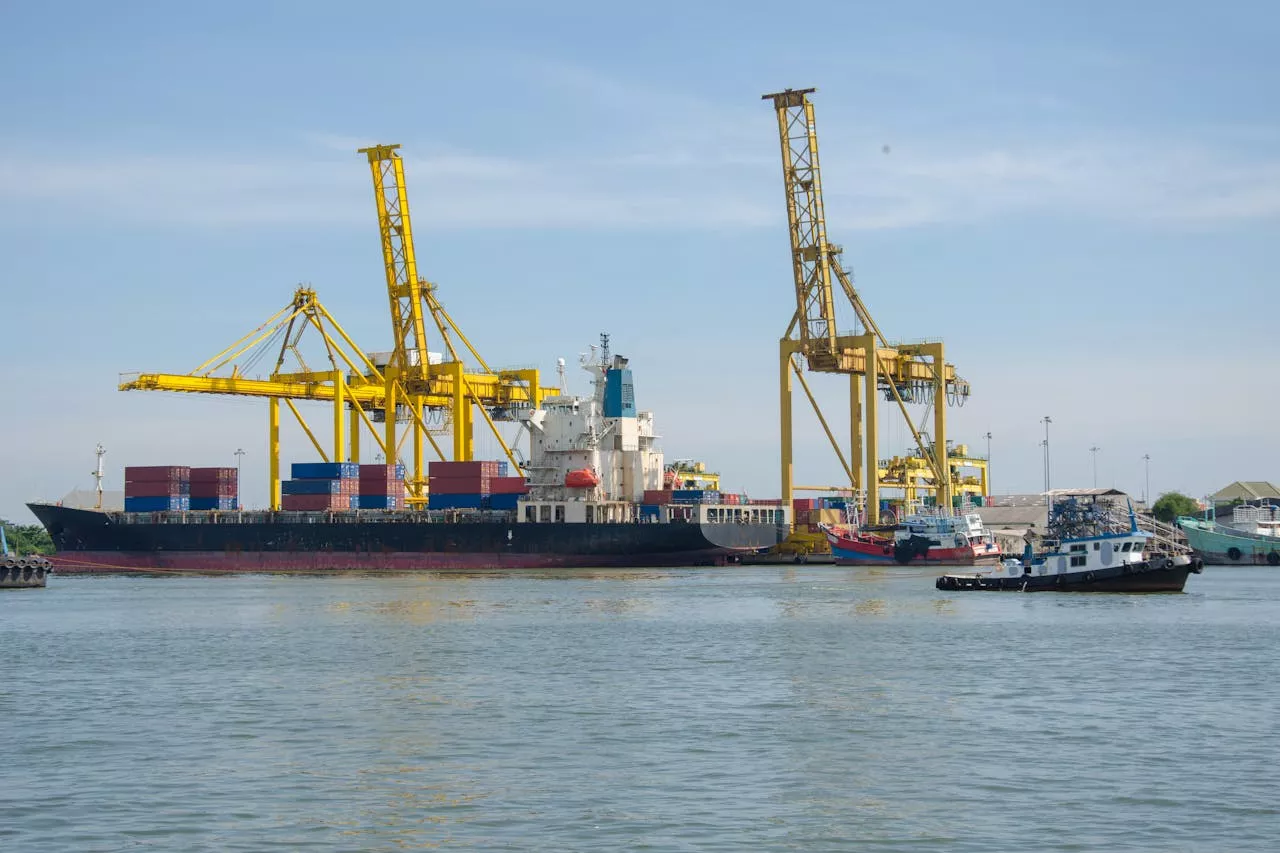
Another critical component of the plan is the development of a new deep-water export port and terminal at Observatory Inlet. This facility would serve as the main gateway for Canadian energy and commodity exports, enabling large vessels to transport resources to global markets efficiently.
The project also includes a new rail connection linking the city of Terrace in British Columbia to Nass Camp, Kitsault, and ultimately the Observatory Inlet export terminal. This rail infrastructure would support the transport of bulk commodities such as potash and uranium, complementing the pipeline system designed for liquid energy products.
Revitalizing the Kitsault Townsite
The townsite of Kitsault plays a central role in the project’s development strategy. Originally built to support mining operations decades ago, the town already possesses much of the infrastructure needed to support a large workforce.
According to Kitsault Energy, the community is capable of accommodating more than 1,000 residents and includes housing, recreational facilities, and basic municipal services. This existing infrastructure provides a strong foundation for supporting workers and operations associated with the proposed energy corridor.
Additional upgrades and improvements are planned as part of the project. These include the development of new housing infrastructure, expanded health facilities such as ProHealth Centers, modern water purification systems, and upgraded sewer systems.
Transportation and Accessibility Improvements
The KE Project also outlines several transportation improvements aimed at enhancing accessibility and logistics throughout the region.
One proposed initiative is the repaving of the existing runway at Nass Camp airport, allowing it to become fully operational. Once upgraded, the airport would be capable of accommodating propeller aircraft such as the Q400, which can carry up to 100 passengers along with cargo. This capability would help transport workers, supplies, and equipment to the remote region more efficiently.
In addition to airport upgrades, the project includes plans to pave the existing gravel road connecting Nass Camp to Kitsault. A new paved roadway would also be constructed from Kitsault to the proposed export terminal at Observatory Inlet, ensuring reliable ground transportation for workers and cargo.
Economic Opportunities for First Nations Communities
A significant component of the project involves collaboration with First Nations communities located along the proposed pipeline routes. Kitsault Energy has emphasized that Indigenous communities would have opportunities to participate in the project through investment, employment, and economic development initiatives.
The company’s plans include job training programs, the development of housing infrastructure, and the creation of long-term employment opportunities in construction, operations, logistics, and maintenance.
Improved infrastructure such as drinking water systems, sanitation services, and healthcare facilities could also be developed in partnership with these communities, contributing to broader regional development.
Supporting Canada’s Commodity Leadership
Beyond energy exports, the project aims to strengthen Canada’s position as a global supplier of critical commodities.
Saskatchewan currently produces approximately one quarter of the world’s potash, a key fertilizer ingredient essential for global agriculture. Expanding export capacity on Canada’s West Coast could significantly improve the efficiency and reach of potash shipments to international markets.
The province is also one of the world’s leading producers of uranium, supplying nuclear fuel used in power plants around the globe. As many countries seek low-carbon energy solutions, nuclear power is expected to play an increasingly important role in the global energy mix. Enhanced export infrastructure could therefore support growing demand for Canadian uranium.
Seeking Government Support
To move the project forward, Kitsault Energy is seeking support and collaboration from both the provincial government of British Columbia and the federal government of Canada. Government backing would be essential for regulatory approvals, infrastructure coordination, and broader economic development planning.
If implemented, the corridor could contribute significantly to Canada’s long-term energy strategy by diversifying export routes, increasing access to global markets, and strengthening the country’s role as a reliable supplier of both energy and critical resources.
A Potential Catalyst for Economic Growth
Kitsault Energy’s integrated infrastructure strategy aims to address several long-standing challenges facing Canadian resource exports. By combining pipelines, rail systems, port infrastructure, and community development into a single coordinated project, the company hopes to accelerate development timelines and reduce logistical bottlenecks.
The project could also create thousands of jobs during construction and long-term operational phases, providing economic opportunities for communities across northern British Columbia and beyond.
As global demand for energy and industrial commodities continues to grow—particularly across Asia—the development of new export corridors may become increasingly important for Canada’s economic future.
Through its proposed West Coast energy and commodity corridor, Kitsault Energy is positioning itself to play a role in reshaping how Canadian resources reach international markets, potentially transforming the country’s export landscape while supporting regional development and global trade diversification.
Source Link: https://www.businesswire.com/