Westinghouse Hosts Annual VVER Fuel Forum with Customers
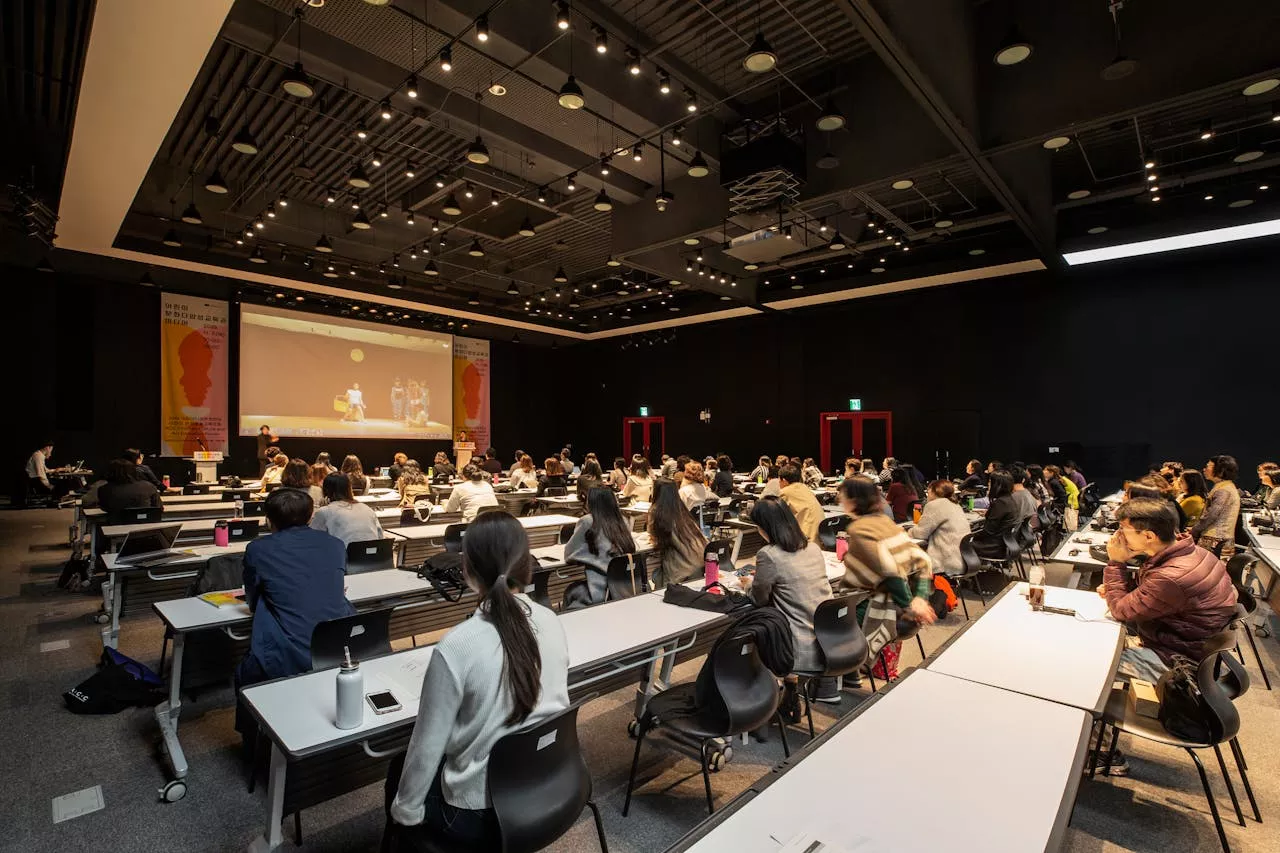
Westinghouse Electric Company and Hungary’s MVM Paks Nuclear Power Plant (NPP) recently co-hosted the annual VVER Fuel Forum in Budapest, bringing together nuclear industry leaders and utility operators to discuss the future of VVER fuel deployment in Europe. The event served as a platform for sharing operational experience, reviewing recent progress, and outlining long-term plans for the continued use and development of VVER-1000 and VVER-440 nuclear fuel in operating reactors across the region.
The forum gathered representatives from utilities operating Russian-designed VVER reactors as well as experts from Westinghouse’s global nuclear fuel division. Participants exchanged insights into the integration of Westinghouse-designed fuel into existing reactor cores, explored advances in fuel technology, and discussed strategies aimed at strengthening energy security through diversified nuclear fuel supply chains.
The opening address was delivered by Péter János Horváth, Chief Executive Officer of MVM Paks. In his remarks, Horváth welcomed delegates and emphasized the strategic importance of the gathering for the European nuclear sector. He highlighted Hungary’s ongoing efforts to reduce reliance on a single fuel supplier, noting that the country is moving toward a more diversified fuel supply model after more than two decades of dependency.
Horváth pointed to a recently signed agreement with Westinghouse for the supply of the VVER-440 NOVA E-6 fuel design as a major milestone for Hungary’s nuclear industry. According to him, the agreement represents a key step in ensuring long-term energy security and operational flexibility for the Paks nuclear power plant, which operates four VVER-440 reactors that supply a significant share of Hungary’s electricity.
During the forum, representatives from six utilities presented updates on the progress achieved through the introduction of Westinghouse fuel into reactors that historically operated with other fuel designs. These presentations highlighted operational performance, safety outcomes, and lessons learned from mixed-core operations in which Westinghouse fuel assemblies operate alongside existing fuel types.
One of the most extensive experiences with Westinghouse VVER fuel comes from Ukraine. Energoatom, the country’s state-owned nuclear energy operator, has been working with Westinghouse fuel for many years. The company currently uses Westinghouse VVER-440 and VVER-1000 fuel across its operating reactors, which together form the backbone of Ukraine’s electricity generation system.
Representatives from Energoatom explained that nine reactors in the country are currently operating with Westinghouse fuel, reflecting a long-standing partnership between the utility and the fuel manufacturer. Looking ahead, Ukraine plans to become the first country in the world to operate all its nuclear power units entirely with Westinghouse fuel by 2028.
To support this transition, significant preparation work is underway. Energoatom is collaborating with Westinghouse on projects to manufacture fuel components domestically and establish a local assembly line for VVER-1000 fuel. These initiatives are expected to strengthen Ukraine’s nuclear fuel supply chain while enhancing the country’s energy independence.
Finland also shared updates on its experience with the latest generation of VVER-440 fuel technology. Fortum, which operates the Loviisa nuclear power plant, received deliveries of the NOVA E-6 fuel design in 2024. The fuel has since been loaded into Loviisa Unit 2, where it is currently operating.
According to Fortum representatives, the fuel has been performing in line with expectations since its deployment. The successful operation marks an important step in diversifying nuclear fuel sources while maintaining safe and reliable reactor performance.
Bulgaria provided another example of ongoing progress in fuel diversification. At the Kozloduy Nuclear Power Plant, Westinghouse RWFA VVER-1000 fuel was introduced into Unit 5 in 2024 as part of a mixed-core configuration. Today, approximately half of the reactor’s core consists of Westinghouse fuel assemblies.
This gradual integration approach allows operators to evaluate performance while ensuring operational stability. In addition, Kozloduy is preparing to load Lead Test Assemblies of the RWFA-13 fuel design into Unit 6. These test assemblies will help verify the performance characteristics of the upgraded fuel before wider deployment.
The Czech Republic is also advancing its fuel diversification strategy. The country’s largest electricity utility, ČEZ, reported that it received its first reload deliveries of upgraded Westinghouse VVER-1000 fuel for the Temelin Nuclear Power Plant as well as VVER-440 fuel for the Dukovany Nuclear Power Plant during the previous year.
Before the fuel can be loaded into reactors, regulatory licensing processes must be completed for each facility. Once approvals are secured, the new fuel assemblies will be introduced into reactor cores, marking another step toward expanding fuel supply options in Central Europe.
In Slovakia, progress is being made on the regulatory side as well. The licensing process for VVER-440 fuel is currently underway for the Mochovce Nuclear Power Plant’s Units 1 and 2. Regulatory authorities are evaluating the fuel design to ensure it meets the country’s safety and performance requirements before it can be used in commercial operations.
Hungary, the forum’s host country, is also moving forward with its own licensing process. The Hungarian regulator has begun reviewing the VVER-440 NOVA E-6/NOVCD fuel design for use at Paks Nuclear Power Plant Units 1 through 4. If approved, Westinghouse plans to deliver the first fuel reload for these reactors in 2028.
Beyond reviewing current deployments, the forum also explored future technological developments in VVER fuel design. Westinghouse representatives shared details about ongoing innovation programs aimed at improving fuel performance, efficiency, and reliability for VVER reactors worldwide.
Among these developments is the next iteration of VVER-440 fuel technology known as NOVA E-7. The new design is intended to enhance fuel economy by enabling more efficient use of uranium while maintaining high safety standards. In parallel, Westinghouse is developing the next generation of VVER-1000 fuel, which will incorporate advanced engineering features to improve operational reliability and flexibility.
Manufacturing capacity is also being expanded to support growing demand. Westinghouse announced that a new pellet production facility is currently under construction in Västerås, Sweden. Once completed, the facility will significantly increase the company’s fuel fabrication capabilities.
The project is expected to boost pellet production capacity by approximately 50 percent by 2028. This expansion will help ensure that utilities across Europe have access to a reliable and diversified supply of nuclear fuel as they continue operating VVER reactors for decades to come.
Sophie Lemaire, Westinghouse Interim Co-President of Nuclear Fuel, emphasized the importance of collaboration between the company and its customers in achieving these milestones. She noted that the progress seen across multiple countries reflects years of joint work between fuel engineers, plant operators, and regulatory authorities.
“It’s exciting to see all the tangible results we have accomplished together with our customers to ensure energy security in the region,” Lemaire said during the event.
She added that Westinghouse’s experience with VVER fuel technology spans nearly three decades. However, the past four years have been particularly important in accelerating efforts to provide utilities with alternative fuel options.
According to Lemaire, the increased focus on diversification has driven significant investments in research, manufacturing capacity, and engineering expertise. These efforts are designed to ensure that operators of VVER reactors have access to safe, reliable, and competitive fuel supplies.
The VVER Fuel Forum concluded with a shared commitment among participants to continue working together to strengthen the nuclear fuel supply chain in Europe. As countries seek to enhance energy security and maintain stable electricity generation, diversified fuel sources and advanced technology will play an increasingly important role.
By bringing together utilities, regulators, and technology providers, the forum underscored the growing collaboration within the nuclear industry aimed at ensuring the long-term sustainability and resilience of VVER reactor fleets.
Source Link: https://www.businesswire.com/