


WATT Fuel Cell Secures New Equity Financing to Accelerate Commercial Expansion and Scale Residential Fuel Cell Deployments
WATT Fuel Cell (“WATT”), an innovative developer and manufacturer of advanced solid oxide fuel cell (SOFC) systems, has successfully closed its latest equity financing round, marking another significant milestone in the company’s growth strategy. Supported by a combination of existing shareholders and new investors, the funding provides WATT with the financial resources needed to accelerate commercial expansion, increase manufacturing capacity, strengthen its workforce, and advance customer deployments across key markets.
The latest investment reflects growing confidence in WATT’s fuel cell technology and its ability to address increasing demand for reliable, efficient, and low-emission distributed power solutions. As energy resilience becomes a top priority for homeowners, utilities, and businesses alike, the company is positioning itself to capitalize on the expanding market for next-generation backup power systems that offer cleaner and quieter alternatives to conventional generators.
A major focus of the newly secured capital will be the continued rollout of WATT HOME™, the company’s flagship residential fuel cell platform. WATT recently announced a strategic agreement with Hope Gas to deploy WATT HOME systems, creating what is recognized as the largest residential fuel cell program in the United States. The partnership represents an important commercial opportunity while highlighting growing interest in distributed energy technologies that improve household energy security during grid outages.
The financing enables WATT to execute multiple strategic initiatives simultaneously. In addition to expanding production capabilities, the company plans to hire additional engineering, manufacturing, and commercial personnel to support increasing customer demand. These investments are expected to strengthen product development, streamline manufacturing operations, and improve the company’s ability to deliver systems at greater scale.
As utilities and consumers seek more dependable energy solutions amid rising concerns over severe weather events, aging electrical infrastructure, and grid reliability challenges, residential backup power has become one of the fastest-growing segments within the distributed energy market. WATT believes its solid oxide fuel cell technology offers significant advantages over traditional engine-based generators, providing continuous, reliable electricity with substantially lower noise, reduced maintenance requirements, and cleaner operation.
Unlike conventional gasoline or diesel generators that rely on combustion engines, WATT HOME uses advanced fuel cell technology to generate electricity electrochemically. This process delivers highly efficient power generation while minimizing noise and emissions, creating a solution better suited for residential neighborhoods and communities governed by homeowners’ associations.
Commenting on the financing, Caine Finnerty, President and Chief Executive Officer of WATT Fuel Cell, emphasized the company’s commitment to transforming residential backup power.
He noted that WATT HOME represents the next generation of home generators, replacing traditional engine-driven systems that are often associated with excessive noise, fuel storage concerns, and neighborhood disturbances. According to Finnerty, conventional backup generators have long created frustrations for homeowners because of their loud operation and exhaust emissions, making them less desirable for residential settings.
He explained that the new investment provides WATT with the resources needed to accelerate commercial execution while supporting the next phase of the company’s growth. With additional capital available, WATT intends to scale operations, increase production efficiency, and expand market adoption of its fuel cell solutions.
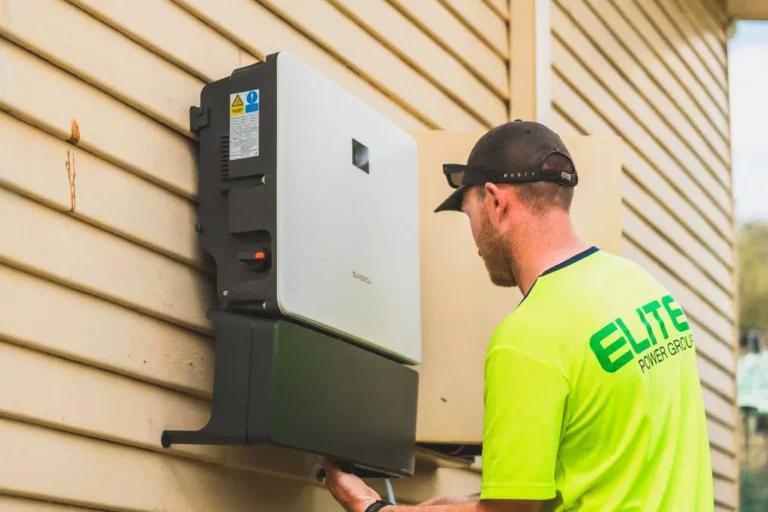
The WATT HOME platform combines the company’s proprietary solid oxide fuel cell technology with integrated battery storage and inverter systems to deliver dependable residential backup power. Together, these technologies create a complete energy resilience solution capable of maintaining essential household electrical loads during extended utility outages.
Rather than depending on stored gasoline or diesel fuel, the system is designed to operate using existing natural gas or propane infrastructure already available in many homes. This approach offers several practical advantages, including continuous fuel availability during prolonged outages, reduced maintenance requirements, and elimination of concerns surrounding fuel degradation or refueling logistics.
The ability to leverage existing gas utility infrastructure also simplifies installation and enhances long-term reliability. Homeowners can continue receiving backup electricity without the operational limitations associated with portable generators or finite battery-only storage systems.
The strategic partnership between WATT and Hope Gas plays an important role in advancing these capabilities to residential customers. Hope Gas, one of the region’s major natural gas utilities, views the collaboration as an opportunity to improve customer energy resilience while supporting innovative technologies that maximize the value of existing natural gas infrastructure.
Morgan O’Brien, Chief Executive Officer of Hope Gas, stated that the company partnered with WATT because WATT HOME provides a practical and innovative approach to strengthening energy reliability for residential customers. He expressed enthusiasm regarding WATT’s continued growth and its ability to support large-scale deployment of residential fuel cell systems.
The collaboration demonstrates how utilities are increasingly exploring distributed energy technologies that complement centralized electricity grids while enhancing customer reliability. Rather than replacing existing infrastructure, solutions such as WATT HOME can serve as resilient backup resources capable of maintaining critical household functions when utility power becomes unavailable.
Growing frequency of extreme weather events, hurricanes, winter storms, wildfires, and other natural disasters has intensified demand for resilient home energy systems throughout North America. Many homeowners now seek alternatives that provide dependable backup electricity without the drawbacks traditionally associated with combustion-based generators.
Solid oxide fuel cell technology offers an attractive option because of its combination of efficiency, quiet operation, fuel flexibility, and long operating duration. Since these systems utilize readily available natural gas or propane, they can continue producing electricity for extended periods without requiring manual refueling.
Beyond residential applications, WATT has developed significant expertise across multiple market segments where reliable off-grid or backup power is essential. The company has accumulated extensive operational experience supporting remote infrastructure, recreational vehicles, and specialized commercial applications where dependable electricity is critical.
This diversified experience has enabled WATT to refine its fuel cell technology across a broad range of operating environments while demonstrating long-term performance and reliability. Lessons learned from these deployments continue to strengthen the company’s product portfolio as it expands into larger commercial opportunities.
Supporting these advancements is WATT’s extensive intellectual property portfolio, which includes numerous patents covering various aspects of its fuel cell technologies and system integration capabilities. The company’s research and engineering efforts have produced proprietary innovations designed to improve efficiency, durability, system control, and overall operational performance.
Its patent portfolio provides a strong competitive foundation as demand for distributed clean energy technologies continues to increase globally. Investors frequently view robust intellectual property as a key differentiator in emerging energy technology companies, particularly in sectors requiring advanced engineering and long development cycles.
The successful completion of the latest financing also signals continued investor confidence in WATT’s commercial strategy and long-term market potential. Existing investors chose to increase their support while new investors joined the financing round, reflecting positive expectations regarding the company’s ability to execute its commercialization plans.
Additional capital will allow WATT to strengthen manufacturing capabilities as customer demand expands. Increased production capacity will be essential to supporting larger deployment programs, including the ongoing collaboration with Hope Gas and future partnerships with utilities, energy providers, and residential developers.
The broader energy industry continues moving toward decentralized energy systems that improve resilience while reducing dependence on centralized generation. Fuel cells are increasingly recognized as an important technology within this transition because they provide highly efficient electricity generation with low emissions and flexible fuel options.
As governments, utilities, and consumers invest in energy resilience, distributed generation technologies are expected to play an increasingly important role alongside renewable energy, battery storage, and modern grid infrastructure. Fuel cell systems capable of delivering continuous backup power complement these broader energy transition efforts by providing dependable electricity regardless of weather conditions or solar availability.
Source Link: https://www.businesswire.com/