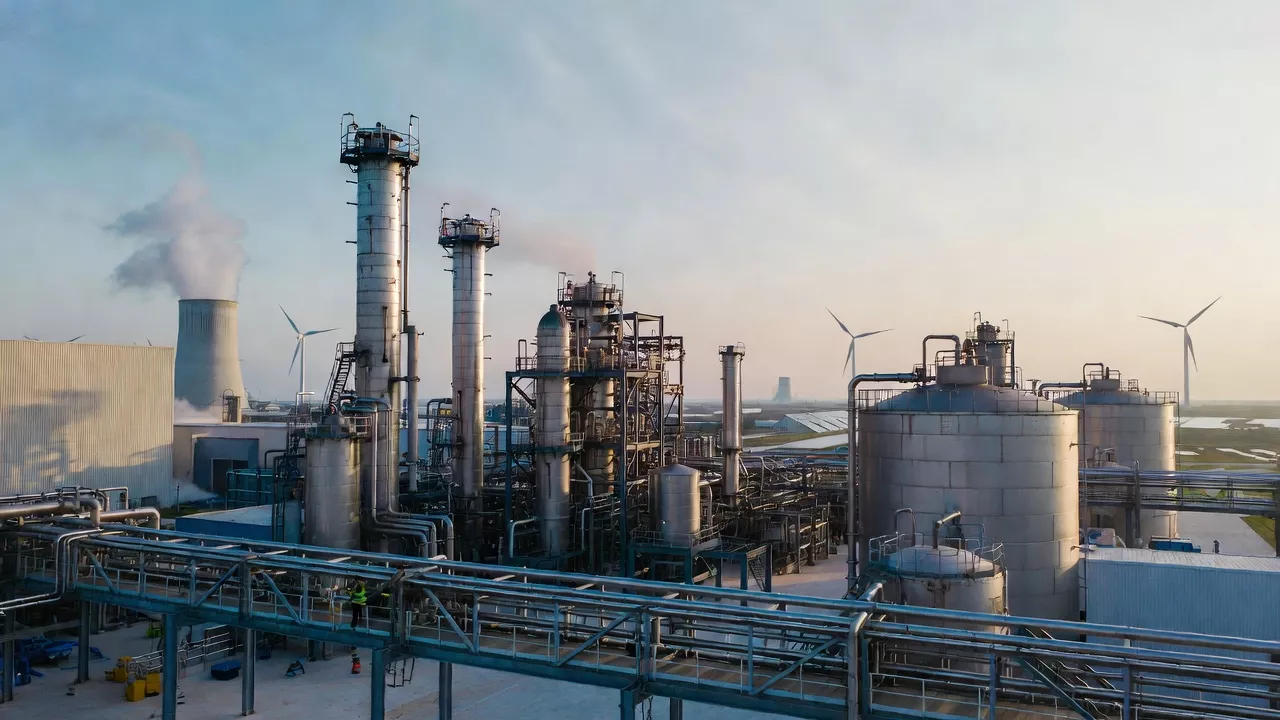
Transition Industries Secures Long-Term Natural Gas Deal for $3.3 Billion Mexinol Project in Sinaloa
Transition Industries LLC, a Houston-based developer of large-scale net-zero carbon methanol and hydrogen projects, has taken a decisive step toward realizing one of the world’s most ambitious low-carbon chemical facilities. The company announced the signing of a firm long-term natural gas supply contract with CFEnergía, a subsidiary of Mexico’s Federal Electricity Commission (CFE), for its Pacifico Mexinol project near Topolobampo in the state of Sinaloa, Mexico.
The agreement represents a major commercial milestone for the Mexinol project, which is designed to become the world’s largest ultra-low-carbon methanol production complex. With the gas supply now secured, the project is expected to move forward into its construction phase, keeping it on track for operations to begin between the end of 2029 and early 2030.
A Critical Energy Supply Agreement
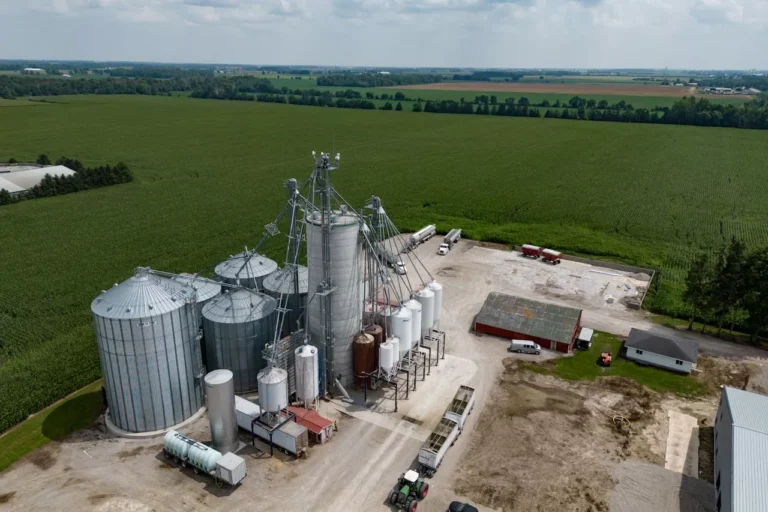
Under the terms of the contract, CFEnergía will supply approximately 160 million cubic feet per day (MMcfd) of natural gas to the facility on a long-term basis. The fuel will be imported from the United States and delivered using existing infrastructure, helping to optimize logistics and reduce the need for new pipeline development.
The gas will be sold at market-based prices and will serve as a key feedstock for the production of blue methanol, a lower-carbon form of methanol made using natural gas combined with carbon-capture technologies. The agreement is subject to customary conditions, but both companies consider it a cornerstone step that enables the project to advance toward final execution.
For Transition Industries, securing a long-term energy supply is essential to ensuring stable operations, predictable costs, and the ability to meet future contractual obligations with customers.
A $3.3 Billion Ultra-Low-Carbon Chemical Complex
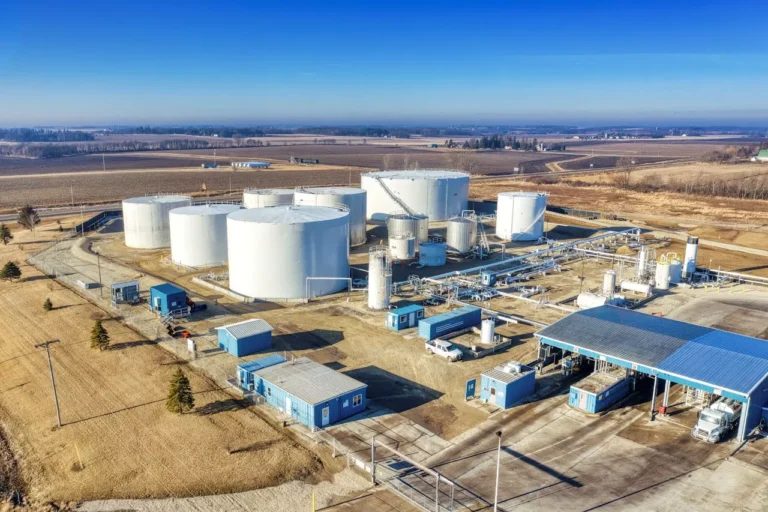
The Pacifico Mexinol project represents an investment exceeding $3.3 billion and is expected to become a landmark industrial development in North America. Once operational, the complex is projected to produce approximately 1.8 million metric tons of blue methanol and an additional 350,000 metric tons of green methanol annually.
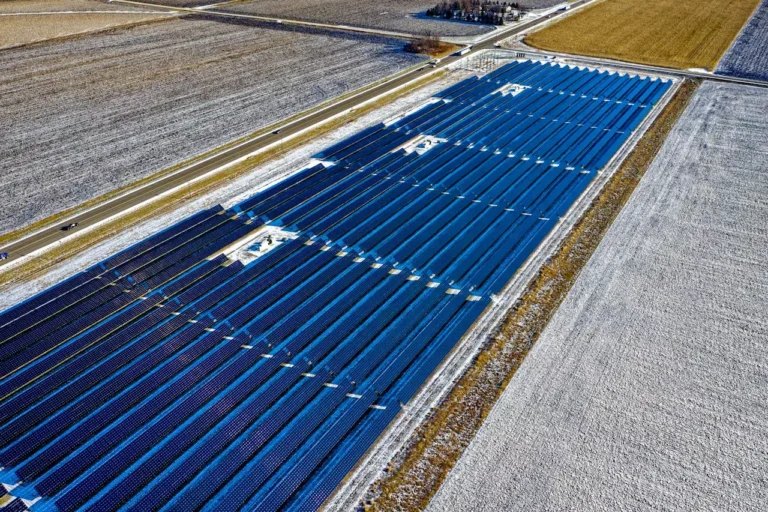
Blue methanol will be produced using natural gas with carbon-capture technologies to reduce emissions, while green methanol will be generated using renewable energy sources and low-carbon hydrogen. Together, the two production streams will position Mexinol as one of the most significant low-carbon methanol suppliers globally.
Methanol is increasingly viewed as a key component of the global energy transition. It can be used as a cleaner marine fuel, a feedstock for sustainable aviation fuels, and an essential input for the chemical industry. As global industries seek alternatives to traditional fossil fuels, demand for low-carbon methanol is expected to rise sharply in the coming decades.
The Mexinol facility is strategically located on Mexico’s west coast, allowing it to serve high-growth markets in the Pacific region, including Asia. The project’s proximity to the Port of Topolobampo in the municipality of Ahome enhances its export capabilities, providing efficient access to international shipping routes.
Strengthening U.S.–Mexico Energy Ties
The natural gas supplied to Mexinol will be imported from the United States, reinforcing cross-border energy trade between the two countries. According to project leaders, the facility is expected to consume more than $4 billion worth of U.S. natural gas over time, creating economic benefits on both sides of the border.
Rommel Gallo, CEO of Transition Industries, emphasized the strategic significance of the agreement, describing it as a key step toward strengthening Mexico’s industrial competitiveness while promoting bilateral economic development.
He noted that the project is expected to generate employment opportunities in both Mexico and the United States, from gas production and transportation to construction, engineering, and operational roles associated with the facility.
Beyond direct employment, the project is expected to catalyze the growth of derivative industries within Mexico. Increased domestic availability of methanol could support the development of downstream chemical manufacturing, plastics, fuels, and other industrial products.
Global Partnerships and Market Commitments
The project has already secured a major offtake commitment from Mitsubishi Gas Chemical (MGC), a Tokyo-based chemical company with a global presence. MGC has agreed to purchase approximately 50% of the plant’s output, underscoring strong international demand for low-carbon methanol.
This long-term purchase agreement provides additional financial certainty for the project and highlights the strategic role Mexico could play as a supplier of cleaner chemical products to Asia.
Japan and other Asian economies are actively exploring methanol as a low-carbon marine fuel and as a feedstock for cleaner industrial processes. By positioning itself as a reliable exporter of ultra-low-carbon methanol, Mexico stands to benefit from rising demand across these markets.
Environmental and Sustainability Commitments
Transition Industries has emphasized that Mexinol will adhere to some of the highest environmental and sustainability standards in the industry. The project is designed to leverage advanced technologies to minimize its environmental footprint while supporting regional development.
One of the facility’s key sustainability features is its approach to water use. Rather than relying on seawater or other natural freshwater sources, the plant will treat and reuse municipal wastewater. This approach is intended to reduce strain on local water resources while improving environmental performance.
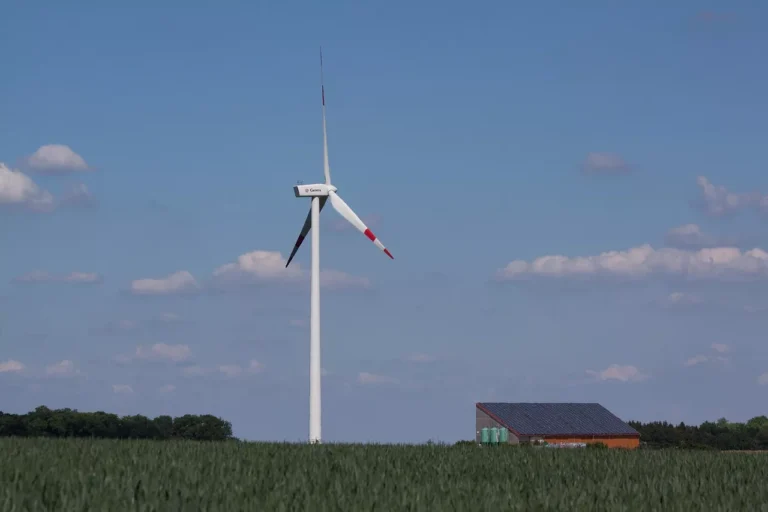
In addition, the facility’s design incorporates carbon-capture technologies to reduce emissions from the production of blue methanol. Combined with green methanol output, the plant aims to significantly lower lifecycle emissions compared with conventional methanol production.
Economic Impact in Sinaloa
The Mexinol project is expected to deliver substantial economic benefits to the state of Sinaloa, particularly during its construction phase. The development is projected to generate more than 6,000 jobs during construction, along with at least 450 permanent positions once operations begin.
These jobs will include a mix of direct employment at the facility and indirect roles in supporting industries such as logistics, maintenance, and services. Transition Industries has indicated that it will prioritize local talent, helping to strengthen the region’s industrial workforce and create long-term economic opportunities.
The presence of a major chemical complex could also attract additional investment in related industries, including manufacturing, transportation, and export-oriented services.
Strategic Importance for Mexico’s Energy Transition
The Mexinol project aligns with broader efforts to position Mexico as a key player in the global energy transition. By producing large volumes of ultra-low-carbon methanol, the facility could help meet rising international demand for cleaner fuels and chemical feedstocks.
At the same time, the project is expected to support the development of Mexico’s domestic chemical industry. Increased local availability of methanol could reduce reliance on imports, enhance supply chain resilience, and stimulate the growth of new industrial sectors.
With the natural gas supply contract now secured, Mexinol has cleared its final major commercial hurdle. The project will move into its execution phase, focusing on engineering, procurement, and construction activities over the coming years.
If completed on schedule, the facility could begin operations by the end of the decade, marking a significant milestone in the development of large-scale low-carbon chemical production in North America.
About Transition Industries
Transition Industries LLC is headquartered in Houston, Texas, and focuses on the development of world-scale net-zero carbon methanol and hydrogen projects across North America. The company’s mission centers on addressing climate change through innovative industrial solutions that combine advanced technologies, low-carbon energy sources, and strategic infrastructure investments.
Through projects like Mexinol, Transition Industries aims to demonstrate how large-scale industrial developments can support both economic growth and environmental sustainability. As global demand for low-carbon fuels and chemicals continues to expand, the company is positioning itself at the forefront of the emerging clean-industrial economy.
With construction expected to begin soon, the Mexinol project stands as a flagship example of cross-border energy cooperation, advanced chemical manufacturing, and the evolving role of methanol in the global transition to lower-carbon energy systems.