Transition Industries and CFEnergía Secure Long-Term Natural Gas Supply for Mexinol, Pioneering Ultra-Low-Carbon Methanol Production in Mexico
Transition Industries LLC, a Houston-based developer of global-scale methanol and hydrogen projects with net-zero emissions, has announced a landmark collaboration with CFEnergía, a subsidiary of the Federal Electricity Commission (CFE) of Mexico. The partnership centers on the Pacífico Mexinol (“Mexinol”) project, a transformative initiative located near the Port of Topolobampo, in the state of Sinaloa. This agreement marks a major step forward in advancing ultra-low-carbon chemical production in Mexico and establishing the country as a strategic player in the global clean energy and chemical markets.
At the heart of this collaboration is a firm long-term natural gas supply contract between CFEnergía and Transition Industries. Under the terms of the agreement, CFEnergía will provide approximately 160 million cubic feet per day (MMcfd) of natural gas to fuel Mexinol’s operations. The contract ensures a consistent, reliable feedstock for Mexinol’s ultra-low-carbon methanol production, allowing the project to move forward according to schedule. The natural gas will be sourced from the United States and supplied at market prices, leveraging existing infrastructure to optimize delivery and operational efficiency.
The signing of this contract represents a critical milestone for Mexinol, enabling the project to enter its construction phase and solidifying plans for the facility to become operational between late 2029 and early 2030. This marks a significant achievement for Transition Industries and for Mexico’s growing industrial and environmental ambitions.
A Global-Scale Industrial Asset
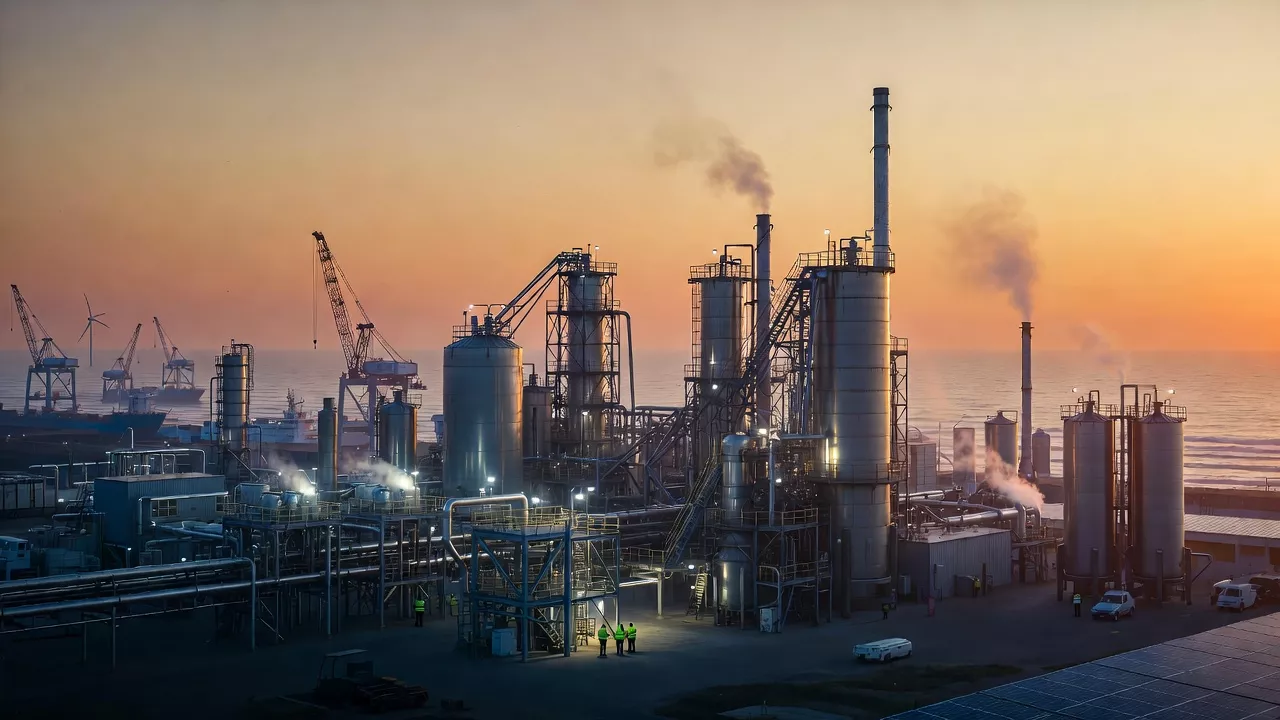
Once operational, Mexinol is expected to become the largest ultra-low-carbon chemical facility in the world. The project will have the capacity to produce approximately 1.8 million metric tons of blue methanol and 350,000 metric tons of green methanol annually. With an investment exceeding US$3.3 billion, Mexinol’s strategic location on Mexico’s west coast is poised to meet rising demand for clean methanol across the Pacific region and in international markets.
Blue methanol, produced using natural gas with carbon capture and storage technology, and green methanol, produced using renewable hydrogen, represent critical components of the global transition to net-zero emissions. By producing both forms at scale, Mexinol is strategically positioned to serve both domestic and international markets, responding to increasing industrial, energy, and environmental needs.
“This contract reinforces Mexinol’s position as a key strategic investment, strengthening the long-term industrial competitiveness of Mexico and the state of Sinaloa,” said Rommel Gallo, CEO of Transition Industries. “The project also promotes bilateral economic development by creating employment opportunities in both Mexico and the United States, while facilitating the export and consumption of more than $4 billion worth of U.S. natural gas. Beyond these immediate benefits, the project is expected to spur the development of related industries in Mexico and ensure greater domestic consumption of methanol, fostering a stronger national chemical industry ecosystem.”
Strengthening Mexico’s Global Industrial Profile
Mexinol’s development underscores Mexico’s potential to become a reliable supplier of ultra-low-carbon methanol to strategic international markets, particularly in Asia. Mitsubishi Gas Chemical (MGC), a leading chemical company headquartered in Tokyo, Japan, has already committed to purchasing approximately 50% of the project’s output. This partnership highlights the strategic relevance of Mexinol in supplying high-quality, low-carbon chemical products to global markets and reinforces Mexico’s growing role in the international energy and chemical sectors.
The facility’s location near the Port of Topolobampo, in the municipality of Ahome, enhances its export capabilities, facilitating efficient access to global markets while simultaneously supporting the growth of domestic consumption. The strategic placement allows for seamless integration with Mexico’s broader logistics and industrial framework, increasing the country’s competitiveness as a hub for clean chemical production.
Economic and Operational Impact
The Mexinol project is not only a technological and industrial breakthrough but also a significant economic driver for Sinaloa and Mexico as a whole. During the construction phase, the project is expected to generate more than 6,000 direct and indirect jobs in the region. Once operational, Mexinol will maintain at least 450 permanent positions, contributing to sustained local employment and long-term regional development.
In addition to job creation, Mexinol prioritizes the development of local talent, ensuring that employment opportunities benefit the regional workforce and contribute to strengthening Mexico’s industrial capabilities. This focus on human capital complements the facility’s broader objective of fostering socioeconomic development in Sinaloa, promoting a more resilient and skilled industrial ecosystem.
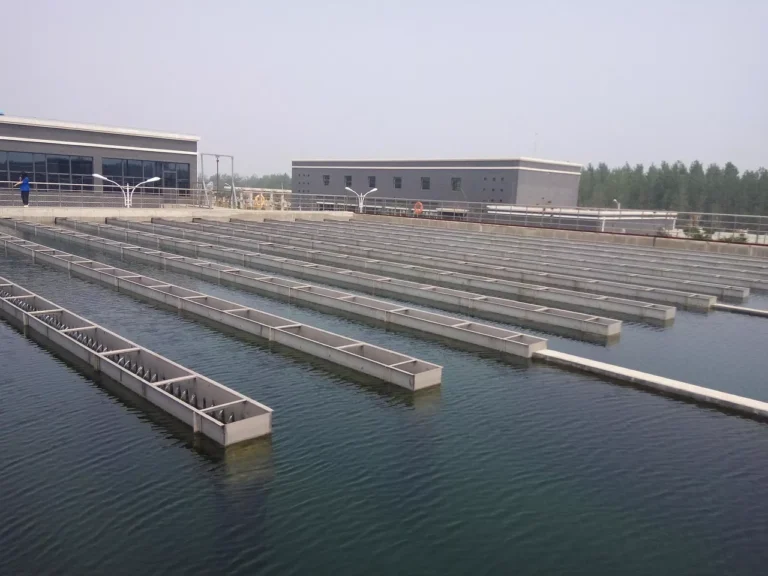
Environmental sustainability is another cornerstone of the Mexinol project. The facility will utilize advanced technologies and innovative practices to minimize environmental impact, including the treatment and utilization of municipal wastewater instead of seawater or other natural sources. These measures demonstrate Mexinol’s commitment to responsible resource management and environmental stewardship, ensuring that its operations are aligned with global sustainability standards.
Driving Net-Zero Emissions and Clean Energy Transition
Mexinol is emblematic of the global shift toward net-zero emissions and sustainable chemical production. By producing blue and green methanol at an unprecedented scale, the project contributes directly to reducing carbon emissions in the chemical sector. Blue methanol production captures and stores carbon dioxide generated during the process, while green methanol leverages renewable hydrogen, further reducing the carbon footprint of chemical production.
The facility’s integrated approach to environmental responsibility and economic development positions Mexinol as a model for similar industrial projects worldwide. Its scale, technological sophistication, and focus on sustainability make it a strategic platform for innovation, promoting the adoption of clean technologies across Mexico and beyond.
Strategic Collaboration and Future Outlook
The partnership between Transition Industries and CFEnergía reflects a broader trend of international collaboration in the clean energy and chemical sectors. By securing a long-term natural gas supply agreement, Mexinol ensures operational reliability and financial stability, creating a strong foundation for future growth. The collaboration also highlights the role of public-private partnerships in advancing large-scale industrial projects that deliver both economic and environmental benefits.
Looking ahead, Mexinol’s development is expected to catalyze additional investments in the Mexican chemical industry and related sectors. Its innovative approach to low-carbon methanol production, combined with its strategic export orientation, will help position Mexico as a key player in the global transition to sustainable chemical and energy solutions.
About Transition Industries LLC
Transition Industries LLC, headquartered in Houston, Texas, specializes in developing global-scale methanol and hydrogen projects that aim to achieve net-zero emissions. The company is committed to addressing climate change and promoting environmental and social sustainability through technological innovation and large-scale industrial projects. By focusing on both blue and green methanol production, Transition Industries plays a pivotal role in supporting the global transition to cleaner energy and sustainable industrial processes.
Conclusion
The signing of the long-term natural gas supply contract with CFEnergía marks a defining moment for Mexinol, enabling the project to move from planning into execution. With construction underway and operations slated to begin between 2029 and 2030, Mexinol is poised to become the world’s largest ultra-low-carbon chemical facility, producing high-quality methanol for domestic and international markets.
By combining large-scale industrial capability with environmental responsibility, local economic development, and international market integration, Mexinol stands as a beacon of sustainable industrial innovation. The project not only strengthens Mexico’s position as a reliable global supplier of ultra-low-carbon methanol but also demonstrates the transformative potential of public-private collaboration in advancing net-zero emissions goals.
Through strategic investments, technological leadership, and a commitment to sustainability, Mexinol exemplifies the future of chemical manufacturing—a future where economic growth, environmental stewardship, and social impact are harmoniously aligned.