

Tigo Energy Expands Residential Solar Repowering Capabilities with New 3.8kW Inverter for Legacy Systems
Tigo Energy, Inc. (NASDAQ: TYGO), a recognized provider of intelligent solar and energy software solutions, has announced the introduction of its Inverter Power Output Control (IPOC) feature for the 3.8kW Tigo EI Inverter. This latest development is specifically tailored to support smaller residential solar systems, particularly those facing utility interconnection constraints. By extending IPOC functionality to this lower-capacity inverter, Tigo is addressing a growing market need for efficient and cost-effective repowering solutions, especially in regions like the Midwest where aging solar installations are becoming increasingly common.
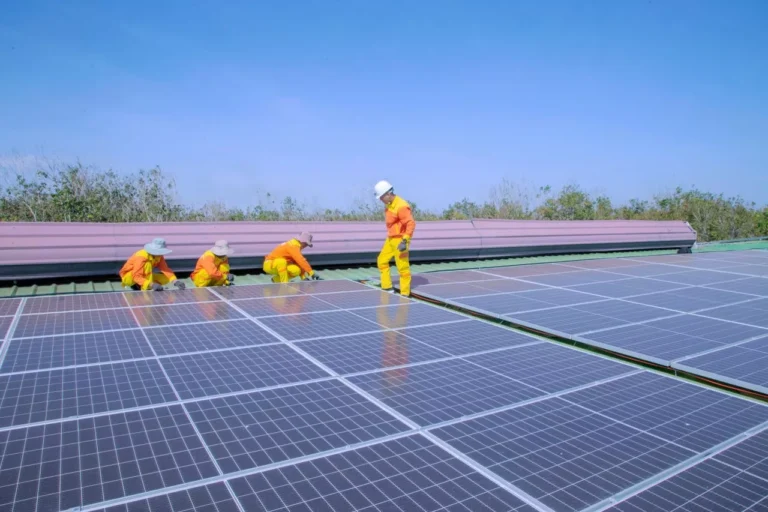
The newly enhanced 3.8kW EI Inverter is designed to be compatible with both new and legacy solar systems, offering installers greater flexibility when upgrading older installations. This innovation comes in direct response to installer demand for smaller-scale repowering solutions that maintain the original system capacity while avoiding the need for extensive permitting or electrical modifications. For homeowners and installers alike, this translates into faster project timelines, reduced costs, and minimized system disruption.
Across the United States, an estimated 400,000 residential solar systems have now surpassed the ten-year mark. Many of these early-generation installations fall within the 3–4 kW capacity range, making them prime candidates for repowering. Over time, these systems often face reliability challenges, particularly related to inverter performance and degradation. While economic considerations such as improved efficiency and energy savings play a role in upgrade decisions, reliability concerns are increasingly driving the need for system replacements.
However, repowering legacy solar systems presents unique challenges. One of the most significant hurdles is maintaining the original system rating to comply with existing utility agreements and permitting requirements. Any changes to system capacity can trigger costly and time-consuming processes, including re-permitting, electrical upgrades, or grid interconnection revisions. This is where Tigo’s IPOC technology becomes especially valuable.
The IPOC feature allows installers to precisely control and adjust the AC power output of the inverter during system commissioning. By aligning the output with the original system specifications or utility-imposed limits, installers can effectively upgrade system components without altering the approved capacity. This capability simplifies compliance with regulatory requirements and helps avoid unnecessary administrative and infrastructure costs.
Installers operating in the Midwest have highlighted the importance of such solutions, as the region is seeing a growing number of first-generation residential solar systems reaching the end of their operational life. The ability to replace aging inverters without redesigning the entire system or navigating complex approval processes significantly improves project feasibility and customer satisfaction.
The 3.8kW EI Inverter now joins Tigo’s broader lineup of inverters with IPOC capability, including the 7.6kW and 11.4kW models. Together, these products create a comprehensive portfolio that supports a wide range of residential repowering scenarios. Whether dealing with small rooftop installations or larger residential systems, installers can select appropriately sized inverters that meet both technical and regulatory requirements.
In addition to IPOC functionality, the 3.8kW inverter features a wide operating voltage range and a compact form factor. These attributes make it particularly well-suited for retrofitting into existing systems where space constraints and compatibility issues are common. By reducing the need for additional hardware or structural modifications, the inverter helps streamline installation processes and lower overall project complexity.
Another key advantage of the Tigo EI Inverter platform is its versatility. The system supports both standalone solar configurations and solar-plus-storage setups, enabling homeowners to enhance their energy systems with battery backup during the upgrade process. This flexibility allows users to not only replace aging components but also future-proof their systems by integrating energy storage solutions that provide resilience during power outages and optimize energy usage.
The IPOC settings are configured using the Tigo EI App, a digital tool that simplifies the commissioning process. Installers can easily set and verify output limits, ensuring compliance with utility requirements. Importantly, these settings are logged within the system, providing a documented record for inspection and verification by local authorities. This feature helps reduce delays associated with project approvals and inspections, further accelerating deployment timelines.
Tigo’s approach to repowering extends beyond hardware to include a broader ecosystem of solutions designed to address real-world installer challenges. By focusing on practical constraints such as permitting, panel compatibility, and system capacity limits, the company is positioning itself as a key partner for installers navigating the transition from new installations to system upgrades.
The company is set to showcase its latest repowering innovations at the Zonna Solar Conference, scheduled for April 21–22, 2026, in Berlin, Ohio. During the event, Tigo will present strategies for upgrading legacy solar systems using its GO Optimized Energy Storage System (ESS) platform. This solution combines Tigo optimizers with DC-coupled hybrid inverters and modular battery storage systems, offering up to 30 kWh of capacity.
The GO Optimized ESS platform is designed to provide a seamless pathway for repowering aging photovoltaic systems. By integrating advanced components into a unified system, installers can enhance performance, reliability, and energy management capabilities. The platform is managed through the Tigo Energy Intelligence software, which offers monitoring, analytics, and control features to optimize system operation.
In live demonstrations at the conference, Tigo will highlight key components of the GO Optimized ESS, including the new GO Battery, EI Inverter, and TS4-A-O flexible module-level power electronics (MLPE). These technologies work together to improve energy harvest, enhance system safety, and provide greater flexibility in system design and operation.
The expansion of IPOC capabilities to the 3.8kW inverter reflects a broader industry trend toward addressing the needs of an aging solar infrastructure. As the first wave of residential solar installations continues to mature, the demand for efficient and scalable repowering solutions is expected to grow significantly. Companies that can offer adaptable, cost-effective technologies will play a critical role in sustaining the long-term performance and viability of distributed energy systems.
By introducing a right-sized inverter solution with advanced output control features, Tigo Energy, Inc. is helping installers overcome some of the most pressing challenges associated with legacy system upgrades. The company’s focus on compatibility, compliance, and ease of installation ensures that both installers and homeowners can benefit from improved system performance without incurring unnecessary costs or delays.
Ultimately, Tigo’s latest innovation underscores the importance of flexibility and practicality in the evolving solar market. As the industry shifts from rapid new installations to maintaining and upgrading existing assets, solutions like the 3.8kW EI Inverter with IPOC will be essential in enabling a smooth and efficient transition.
Source Link: https://www.businesswire.com/