
Tallgrass Selects Turboden for Waste Heat-to-Power Projects in Ohio and Indiana
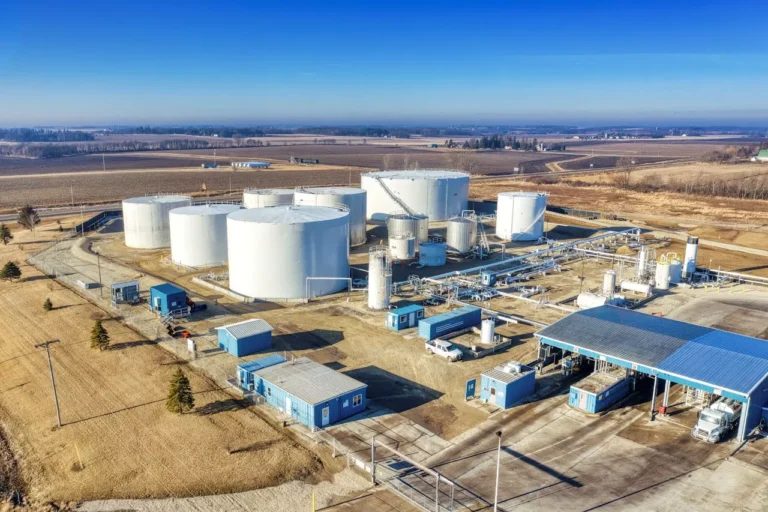
Turboden America LLC, the U.S. subsidiary of Italian technology provider Turboden S.p.A.—which is part of the Mitsubishi Heavy Industries (MHI) Group—has been selected by energy infrastructure company Tallgrass to supply three new Waste Heat-to-Power (WHP) systems based on Organic Rankine Cycle (ORC) technology. The new facilities will be installed at natural gas compressor stations located in Columbus, Chandlersville, and St. Paul.
The announcement marks another step forward in the ongoing collaboration between Turboden and Tallgrass, expanding the deployment of advanced waste heat recovery technologies across the U.S. natural gas infrastructure network. The three new projects follow an earlier Turboden installation procured in 2024 for a compressor station in Fayette County. With these additional projects, the partnership will bring the total number of ORC waste heat recovery systems deployed by Tallgrass to four, representing a combined generation capacity of approximately 46.1 megawatts (MW) of clean, baseload electricity.
Meeting Growing Electricity Demand
The expansion comes at a time when electricity demand across the United States is increasing rapidly due to population growth, industrial development, electrification, and the accelerating build-out of digital infrastructure such as artificial intelligence and data center facilities. This surge in electricity consumption is placing sustained pressure on existing grid infrastructure and highlighting capacity constraints in many regions of the country.
In response to these challenges, Tallgrass and Turboden are leveraging waste heat-to-power technology to generate new electricity without building entirely new power plants or increasing fuel consumption. Each of the three newly announced WHP systems will generate roughly 10 MW of electricity by capturing and converting heat that would otherwise be lost during the operation of gas compressor turbines.
Instead of venting turbine exhaust heat into the atmosphere, the ORC systems will recover that thermal energy and transform it into useful electricity that can be supplied directly to local utility grids. This approach enables the production of reliable, baseload power while improving overall energy efficiency.
The additional generation capacity is particularly valuable in rural areas of Ohio and Indiana, where grid infrastructure expansion can be more challenging. By converting existing waste heat into electricity, the projects will contribute to stabilizing the grid and strengthening regional power supply without the need for new fuel sources or water-intensive generation technologies.
Advanced Monitoring and AI-Driven Optimization
To ensure reliable performance and operational efficiency, the new waste heat-to-power installations will be supported by Turboanalytics, Turboden’s cloud-based monitoring platform that incorporates artificial intelligence tools.
Turboanalytics provides continuous remote monitoring of equipment performance and operating conditions, enabling operators to detect anomalies before they become major issues. The platform uses advanced algorithms to support predictive maintenance strategies, helping reduce downtime and improve long-term operational reliability.
In addition, the platform can generate performance forecasts and operational insights that allow operators to optimize plant output and efficiency over time. This integration of digital technologies with power generation systems reflects a broader trend in the energy sector toward smarter, data-driven infrastructure.
Unlocking Value from Existing Infrastructure
One of the most important aspects of waste heat-to-power technology is its ability to unlock additional energy capacity from existing industrial infrastructure. Gas compressor stations, which play a critical role in transporting natural gas across long-distance pipelines, generate substantial amounts of thermal energy during operation. Much of this energy traditionally goes unused.
By installing ORC systems at these facilities, operators can convert that previously wasted heat into new electricity generation without burning additional fuel or increasing greenhouse gas emissions.
This strategy is particularly valuable in today’s energy landscape, where new pipeline construction, turbine supply chains, and grid interconnection approvals can face delays or constraints. Waste heat-to-power projects provide a relatively fast and practical way to increase energy output using infrastructure that is already in place.
The approach also contributes to lower carbon emissions by improving overall efficiency in natural gas transportation and processing operations.
Incentives from the Inflation Reduction Act
Another factor supporting the economic viability of these projects is the availability of federal incentives. The installations qualify as Waste Energy Recovery Properties (WERP), making them eligible for Investment Tax Credits (ITCs) under the Inflation Reduction Act.
These tax incentives can cover up to 50 percent of project investment costs depending on eligibility factors. The financial support significantly improves the economic outlook for waste heat recovery systems and encourages more companies to adopt similar efficiency-enhancing technologies.
Incentive programs such as these are designed to accelerate the deployment of energy efficiency solutions and support broader national goals for emissions reduction, energy resilience, and industrial competitiveness.
Tallgrass Energy Infrastructure
Tallgrass is a major operator of interstate natural gas infrastructure across the United States. The company manages more than 7,000 miles of pipelines regulated by the Federal Energy Regulatory Commission (FERC), forming a key part of the country’s midstream energy network.
Among its most prominent assets is the Rockies Express Pipeline (REX), one of the largest natural gas pipelines in North America. Tallgrass also operates several other major pipeline systems, including the Ruby Pipeline, Trailblazer Pipeline, Tallgrass Interstate Gas Transmission Pipeline, and the Cheyenne Connector Pipeline.
These networks play a critical role in transporting natural gas from production regions to key demand centers across the United States. Integrating waste heat recovery technology into compressor stations along these systems offers a practical way to enhance efficiency while supporting grid power supply.
Supporting the Rise of Energy-Intensive Technologies
Tallgrass is also expanding into emerging energy infrastructure projects tied to the rapid growth of artificial intelligence computing. Earlier this year, the company received approval to move forward with development of a large-scale AI data center complex in collaboration with Crusoe Energy Systems.
The proposed facility will initially feature 1.8 gigawatts (GW) of natural-gas-powered electricity generation capacity, with the potential to expand to as much as 10 GW. If fully developed, the project would become one of the largest artificial intelligence computing campuses ever announced.
Tallgrass is responsible for key components of the project’s infrastructure, including energy supply, fuel transportation, carbon sequestration capabilities, water systems, and grid interconnection.
Projects like this highlight the growing importance of reliable power generation in supporting next-generation technologies such as AI and high-performance computing.
Leadership Perspective
Paolo Bertuzzi, President of Turboden America LLC and Chief Executive Officer of Turboden S.p.A., emphasized the importance of the collaboration and the broader role of efficiency-driven power solutions.
He noted that Turboden is proud that Tallgrass has chosen its ORC waste heat-to-power technology and expressed hope that federal incentives supporting such projects will remain available. According to Bertuzzi, maintaining the Investment Tax Credit for waste energy recovery systems could encourage more oil and gas companies to adopt similar solutions at compressor stations and other industrial facilities.
Improving energy efficiency and reducing carbon dioxide emissions across oil and gas processing and transportation remain major priorities for both Turboden and the broader Mitsubishi Heavy Industries Group.
As electricity demand continues to increase across the United States, Bertuzzi highlighted that water-free baseload generation technologies such as ORC systems can play a valuable role in strengthening grid resilience while supporting long-term energy security.
Turboden’s Growing Presence in the United States
Turboden brings more than 40 years of experience in designing and delivering customized ORC power generation systems. The company has installed more than 470 units in over 50 countries worldwide, serving industries ranging from oil and gas and geothermal energy to biomass power generation and industrial manufacturing.
To support its expanding customer base in North America, Turboden established Turboden America LLC in Houston in October 2024. The new subsidiary focuses on accelerating the company’s growth in key sectors such as midstream oil and gas infrastructure, electric utilities, industrial facilities, and data centers.
The continued partnership with Tallgrass highlights the strategic importance of the U.S. market and demonstrates how ORC technology can be integrated into existing infrastructure to deliver practical, efficient, and low-emission power generation.
As the energy sector faces increasing demand for reliable electricity, solutions that capture previously unused energy resources—such as waste heat—are expected to play an increasingly important role in strengthening energy systems while advancing sustainability goals.
Source Link: https://www.businesswire.com/