Soluna and Siemens Launch 2MW Pilot Project to Stabilize AI-Driven Power Fluctuations
Soluna Holdings and Siemens have launched a 2 MW pilot at Project Grace in Texas to solve power volatility in AI computing. By integrating Siemens’ infrastructure with Soluna’s renewable-first data centers, the partnership aims to stabilize rapid GPU-driven energy swings, enabling large-scale, carbon-neutral AI deployments without grid-level disruption.
The Core Development: Managing GPU Load Volatility
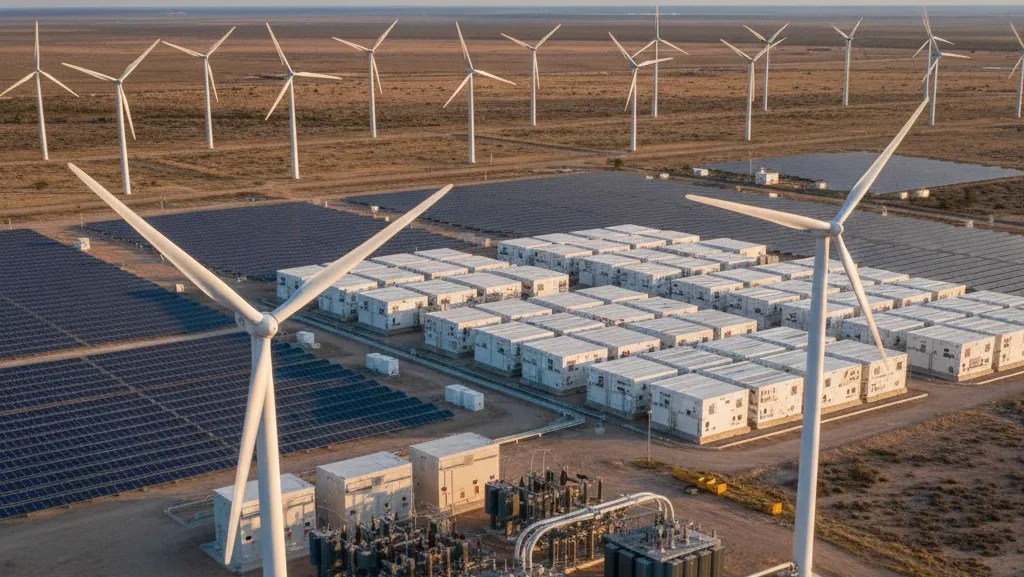
Soluna Holdings (NASDAQ: SLNH) and Siemens have entered a Memorandum of Understanding (MOU) to deploy a specialized behind-the-meter power-and-controls system. The 2 MW pilot project, located at Soluna’s Project Grace site in Texas, focuses on managing the intense, rapid fluctuations in power demand typical of high-performance computing (HPC) and AI workloads.
The initiative utilizes a structured commissioning process to document how electrical systems respond to fast load steps. By testing Siemens’ electrical infrastructure under representative AI workloads, the companies aim to validate a repeatable model for hosting intensive computing directly at renewable energy generation sites.
Market Context: Solving the AI Infrastructure Bottleneck
The rapid acceleration of AI adoption has created a significant infrastructure challenge: GPU workloads demand massive amounts of energy and create unpredictable power “swings” that can destabilize local electrical environments. Traditionally, this volatility has limited the ability to run high-density compute directly on intermittent renewable sources like wind and solar.
This collaboration addresses the “Why now?” of the energy transition by utilizing clean energy that would otherwise remain stranded or unused. By creating an enterprise-grade blueprint for behind-the-meter compute, Siemens and Soluna are positioning themselves to capture a growing market of developers seeking to scale AI responsibly while minimizing carbon impact and grid reliance.
Key Features and Technical Specifications
The Project Grace facility will serve as a live testbed for Siemens’ industrial hardware and software suite. The technical architecture includes:
- Advanced Monitoring: Integration of the Siemens SICAM SCADA platform for real-time control and data acquisition.
- Electrical Infrastructure: Full deployment of Siemens-branded transformers, switchgear, and power converters.
- Variable Compute Management: Systems designed specifically to handle “fast load steps” caused by GPU-driven demand spikes.
- Optimized Power Flow: Behind-the-meter controls to balance renewable energy supply with variable compute demand.
- Performance Benchmarking: Establishment of specific metrics for energy efficiency and grid stability to ensure commercial scalability.
A Blueprint for Scalable AI
The data captured during the Texas pilot will inform a standardized, repeatable blueprint for future renewable-powered data centers. For Soluna and Siemens, the ultimate goal is to move beyond the pilot phase to provide an enterprise-grade solution that allows high-performance workloads to scale faster. This approach promises a future where AI growth is decoupled from traditional grid constraints, focusing instead on measurable gains in energy efficiency and carbon reduction.
About Soluna Holdings, Inc. (Nasdaq: SLNH)
Soluna is on a mission to make renewable energy a global superpower, using computing as a catalyst. The Company designs, develops, and operates digital infrastructure that transforms surplus renewable energy into global computing resources. Soluna’s pioneering data centers are strategically co-located with wind, solar, or hydroelectric power plants to support high-performance computing applications, including Bitcoin Mining, Generative AI, and other compute-intensive applications. Soluna’s proprietary software MaestroOS(™) helps energize a greener grid while delivering cost-effective and sustainable computing solutions and superior returns.