Solect Energy Highlights Revenue Potential of Rooftop Solar Leases for Commercial Property Owners
Commercial and industrial property owners are increasingly searching for ways to strengthen the financial performance of their assets without committing additional capital or introducing operational disruption. While strategies such as tenant upgrades, facility expansions, or operational improvements are often considered, one potential source of long-term value may already exist within the building itself: the rooftop.
Recognizing this opportunity, Solect Energy has published a detailed article explaining how rooftop solar site leases can transform unused rooftop space into a stable, long-term revenue stream for property owners. The article highlights how commercial and industrial building owners can generate predictable income through agreements with solar developers, all while maintaining full ownership and control of their properties.
Turning Idle Roof Space Into Revenue
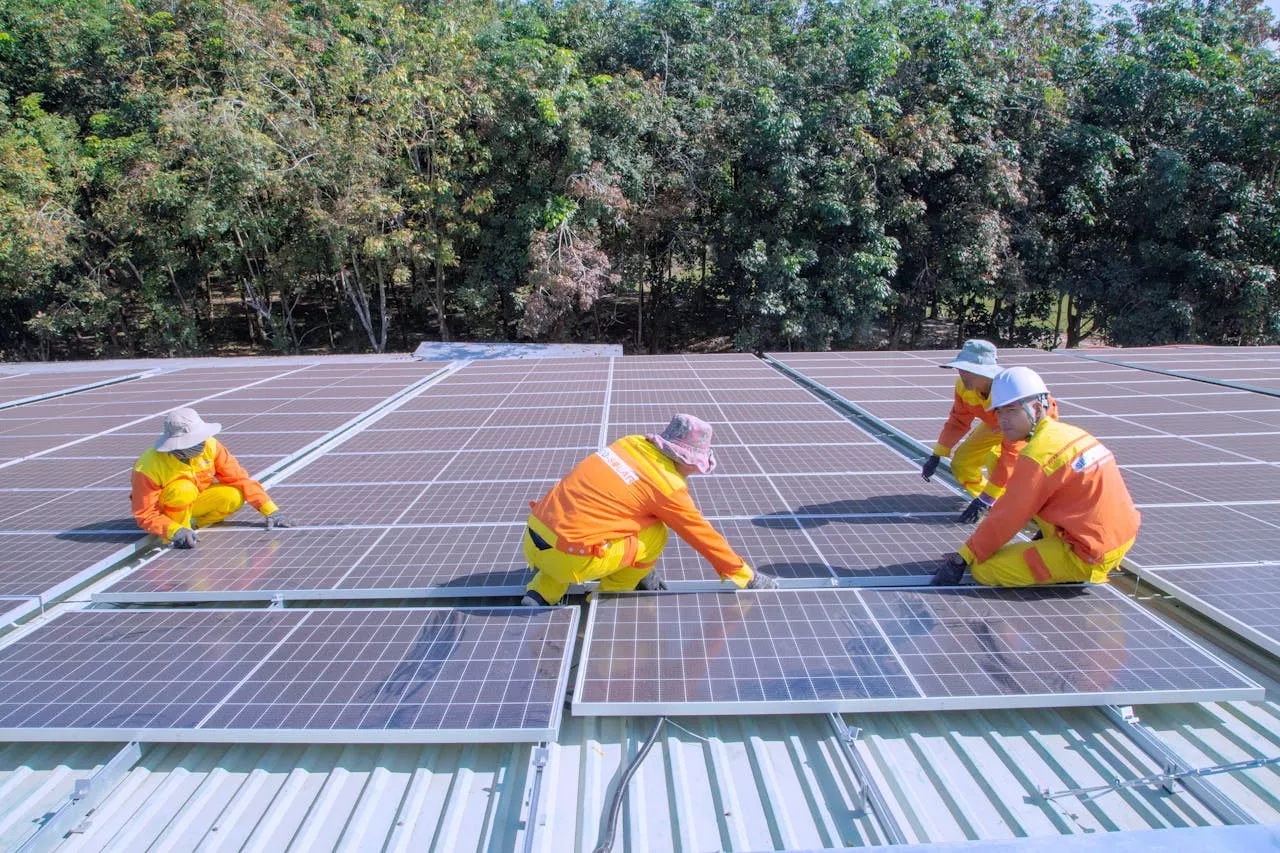
Many commercial buildings—especially large warehouses, distribution centers, manufacturing facilities, and retail properties—have expansive rooftop areas that remain largely unused. These surfaces often represent one of the most underutilized assets in a commercial property portfolio. Rooftop solar site leases offer a structured way to unlock the value of that space.
According to Solect Energy’s article, titled “Rooftop Solar Site Leases: A New Revenue Stream for Commercial Property Owners,” property owners can lease rooftop space to a solar developer that installs and operates a solar energy system on the building. In exchange, the building owner receives regular lease payments over a long-term contract, typically lasting between 20 and 25 years.
This arrangement enables building owners to generate new income without needing to finance or manage the solar installation themselves. Because the solar developer assumes responsibility for the system’s design, construction, financing, and operation, property owners can benefit from the arrangement without taking on technical or financial risks associated with solar energy projects.
A Long-Term Income Strategy
For property owners focused on improving net operating income (NOI), rooftop solar site leases can provide a reliable and predictable revenue stream. Unlike some real estate revenue sources that fluctuate with market conditions, these lease agreements are generally structured with long-term contractual payments.
This structure allows property owners to treat the rooftop solar system similarly to another tenant occupying unused space on the property. The predictable payments can contribute to property income over multiple decades, potentially improving overall asset valuation and strengthening financial performance.
Matt Shortsleeve, Senior Vice President of Policy and Marketing at Solect Energy, describes the model as a practical solution for property owners seeking stable income without operational complexity.
“Rooftop solar site leases function much like a long-term tenant occupying otherwise unused space,” Shortsleeve explained. “For many property owners, it represents a practical way to generate stable income without capital investment or additional operational complexity.”
No Capital Investment Required
One of the most appealing aspects of rooftop solar leasing arrangements is that property owners typically do not need to invest their own capital. The solar developer finances the entire project, including equipment, installation, permitting, and grid interconnection.
Once installed, the developer also assumes responsibility for operating and maintaining the solar energy system throughout the life of the agreement. This includes monitoring system performance, managing repairs, and ensuring the installation complies with safety and regulatory requirements.
Because the developer bears these responsibilities, building owners can benefit financially from the project without needing specialized expertise in solar technology or energy infrastructure.
Minimal Impact on Property Operations
Another key advantage of rooftop solar site leases is that they typically have little to no impact on a building’s daily operations. The solar system is installed on the rooftop, meaning interior spaces, tenant operations, and parking areas remain unchanged.
This makes rooftop solar leasing particularly attractive for commercial and industrial facilities where uninterrupted operations are essential. Manufacturing plants, logistics centers, and large retail buildings can continue functioning normally while the solar system operates above them.
For tenants, the presence of rooftop solar systems may even enhance the property’s sustainability profile. Many companies are increasingly interested in occupying environmentally responsible buildings, and renewable energy installations can help demonstrate a commitment to sustainability.
Ideal Properties for Rooftop Solar Leases
Not every building is suitable for rooftop solar development, but many commercial properties meet the basic requirements. Structures with large, unobstructed roof areas tend to be the most attractive for solar developers.
Industrial warehouses, distribution centers, logistics hubs, and big-box retail stores often feature expansive flat roofs that are ideal for solar panel installations. Flex-space buildings and certain manufacturing facilities may also qualify, depending on roof size, structural capacity, and local energy market conditions.
Long-term site control is another important factor. Because solar developers invest significant capital in building the system, they typically seek properties where the owner expects to retain control of the building for many years.
Federal Incentives and Market Conditions
The article also addresses the role of federal incentives in shaping the economics of rooftop solar projects. In the United States, many solar installations qualify for the federal Investment Tax Credit (ITC), which can cover a portion of the project’s total cost.
The ITC currently allows eligible projects to claim a tax credit equal to 30 percent of the system’s installation cost. Solar developers rely on this incentive to improve project economics, and it often plays a role in determining whether a rooftop lease project moves forward.
Timing can be particularly important because projects may qualify for the credit through “safe harbor” provisions that allow developers to secure eligibility under certain conditions even if installation occurs later. Understanding these timelines can influence project planning and financial outcomes for developers and property owners alike.
Supporting Renewable Energy Expansion
Beyond financial benefits for property owners, rooftop solar site leases can also contribute to broader renewable energy development. Large commercial rooftops represent a significant opportunity for expanding distributed solar generation without requiring new land development.
By hosting solar installations on existing buildings, developers can generate clean electricity while minimizing environmental impact. This approach aligns with growing interest among businesses, investors, and governments in accelerating the transition to renewable energy.
For property owners, participating in such projects may also enhance the sustainability profile of their buildings. In some cases, the presence of renewable energy infrastructure can improve a property’s attractiveness to environmentally conscious tenants or investors.
A Growing Opportunity for Commercial Real Estate
As energy markets evolve and sustainability initiatives expand, rooftop solar leasing is gaining attention as a strategic opportunity within commercial real estate. Many building owners are beginning to view their rooftops not simply as structural components but as valuable assets capable of generating long-term income.
By entering into agreements with experienced solar developers, property owners can monetize unused rooftop space while maintaining full control of their buildings. The model provides financial benefits, requires no upfront capital investment, and introduces minimal operational disruption.
For owners seeking practical ways to enhance asset performance, rooftop solar site leases may represent an increasingly compelling option. As awareness of the model grows, more commercial properties could soon transform their idle rooftop space into productive infrastructure supporting both financial returns and renewable energy expansion.
Source Link: https://www.businesswire.com/