RWE Commissions Large-Scale Solar Farms Along German Motorway, Expands Renewable Portfolio
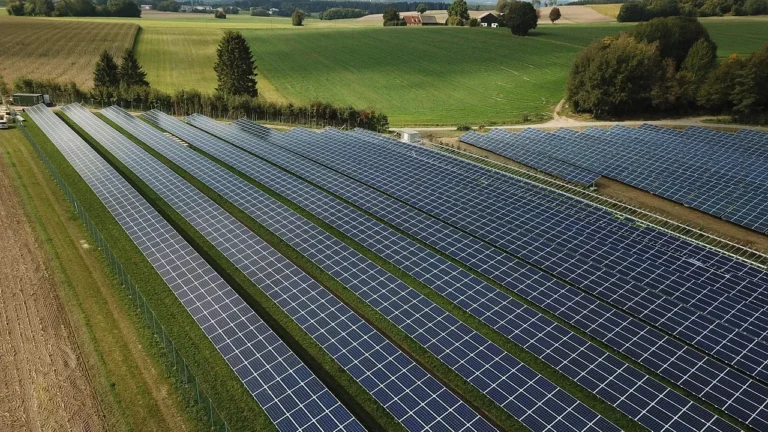
RWE is accelerating its solar energy expansion in Germany with the commissioning of multiple large-scale solar farms alongside the A44n motorway in North Rhine-Westphalia. Following approximately eight months of construction, these new photovoltaic installations now contribute a total installed capacity of 86.5 megawatts peak (74.6 MWac), reinforcing the company’s commitment to renewable energy and the decarbonization of Germany’s electricity sector.
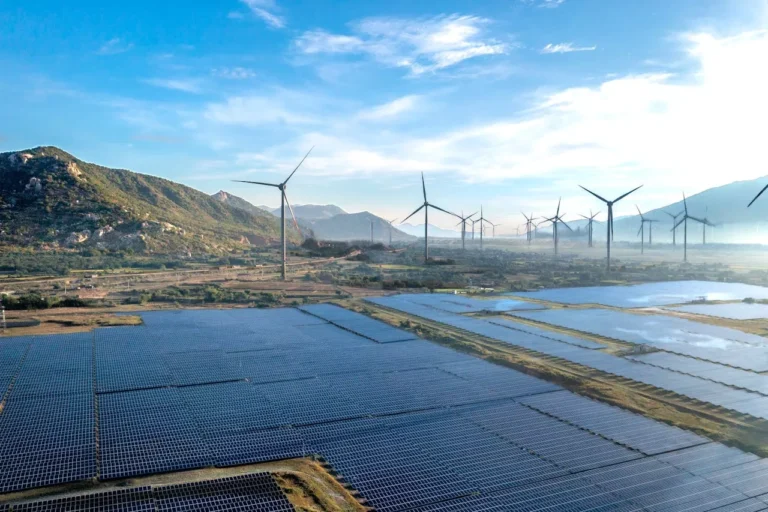
The solar projects comprise around 141,000 solar modules, designed to generate climate-friendly electricity sufficient to meet the needs of roughly 27,700 households in Germany. Strategically located to the west and east of the A44n motorway, between the towns of Bedburg and Jüchen, the solar farms are sited on recultivated land at the Garzweiler opencast lignite mine. This approach demonstrates RWE’s innovative reuse of previously mined land to support renewable energy development while simultaneously contributing to the region’s ecological restoration.
Katja Wünschel, CEO of RWE Renewables Europe & Australia, commented on the milestone: “The commissioning of the solar farms alongside the motorway shows that we are consistently driving forward the expansion of our solar portfolio. And we aren’t done there yet. Next year, we will add several thousand solar modules to the project. By combining wind and solar systems side by side, we are creating a renewable energy corridor on recultivated land along the A44n motorway—a blueprint for future projects in the Rhenish region.”
Indeed, RWE is planning a second stage of the solar project with a capacity of 19.9 megawatts peak (15.5 MWac) for next year. This phase will involve the installation of over 30,600 additional solar modules on recultivated land in the municipal area of Jüchen. Subject to planning approval, construction could commence in the first half of 2026, with commissioning targeted for the end of the year. Projects along motorways benefit from accelerated approval processes and generally enjoy strong public acceptance, making them an attractive solution for the rapid deployment of renewable energy.
RWE is not limiting its efforts to solar power alone. In close proximity to the A44n solar sites, the company is constructing the Bedburg 3 wind farm, which will feature nine turbines with a combined capacity of around 60 megawatts. Collectively, RWE now develops and operates solar and wind projects with a total capacity of 540 megawatts in the Rhenish region, underlining the company’s holistic approach to renewable energy generation in this historically lignite-intensive area.
Dr. Lars Kulik, CTO Lignite at RWE Power, emphasized the strategic importance of these initiatives: “The solar and wind projects on recultivated land along the A44n demonstrate that structural change and the expansion of renewables in the Rhenish lignite area are progressing hand in hand. There is ample space in and around our opencast mines, which we are repurposing for renewable energy projects. Moreover, RWE Power employees contribute their expertise to the construction and operation of these facilities, creating new opportunities and prospects for the workforce in the region.”
RWE’s ongoing expansion reflects a broader strategy to accelerate solar energy deployment in North Rhine-Westphalia. Last year, a strip of land alongside the A44n near Bedburg was developed into a photovoltaic installation, marking the beginning of a series of renewable projects along the motorway. In addition, RWE is trialing agrivoltaics technology at a nearby demonstration plant, integrating agriculture with solar energy generation to maximize land use efficiency and environmental benefits.
Currently, RWE operates nine solar projects in the Rhenish region, four of which feature integrated battery storage units to enhance grid stability and energy management. Further photovoltaic projects are also in the planning stage, reflecting the company’s commitment to a diverse and scalable renewable energy portfolio. One notable upcoming project is the Manheimer Bucht solar farm, located in the southern part of the Hambach opencast mine in the municipality of Kerpen. Set to cover approximately 14.5 hectares—roughly equivalent to 20 football pitches—this installation will deploy about 26,500 solar modules. Once operational at the end of 2026, the Manheimer Bucht project will provide a capacity of 17.2 megawatts peak (14.3 MWac), contributing further to the region’s renewable energy output.
By leveraging recultivated lignite mining sites for solar and wind energy, RWE is not only contributing to Germany’s climate goals but also providing a model for the sustainable transformation of industrial landscapes. These projects exemplify how former mining areas can be repurposed to generate clean electricity while supporting local employment and regional development. Moreover, the integration of solar and wind assets alongside major infrastructure such as motorways provides a replicable template for future renewable energy initiatives in densely populated or industrially impacted regions.
Source Link: https://www.rwe.com/