
OPAL Fuels Completes Fifth Sale of IRA Investment Tax Credits from Atlantic Renewable Natural Gas Facility
OPAL Fuels Inc. (Nasdaq: OPAL) has completed the sale of $23 million in investment tax credits (ITCs) generated under the Inflation Reduction Act from its Atlantic Renewable Natural Gas (RNG) Facility located in Egg Harbor Township, New Jersey. The transaction marks the company’s fifth completed tax credit transfer under the IRA framework and highlights the growing role of transferable tax incentives in financing renewable energy infrastructure projects across the United States.
Under the terms of the transaction, OPAL Fuels’ share of the credits totaled approximately $11.5 million, reflecting the company’s ownership interest in the facility. The Atlantic Renewable Natural Gas Facility itself generated the $23 million in ITCs as part of federal incentives designed to accelerate investments in clean energy infrastructure, including renewable natural gas production facilities. The sale of the credits allows the company to convert the tax incentives into immediate capital that can be reinvested in additional renewable energy projects.
According to company leadership, the successful completion of this transaction reflects both the continued growth of the renewable natural gas market and the increasing utilization of IRA tax credit transferability provisions by clean energy developers.
Jonathan Maurer, Co-Chief Executive Officer of OPAL Fuels Inc., said the milestone demonstrates the company’s progress in scaling its renewable energy portfolio and capitalizing on federal incentives aimed at accelerating the energy transition.
“The completion of our fifth tax credit sale reflects continued momentum for OPAL Fuels and underscores the expanding opportunity in the renewable natural gas market,” Maurer said. “Renewable natural gas remains an important tool for lowering emissions, enhancing U.S. energy independence, and delivering tangible environmental and economic benefits to local communities.”
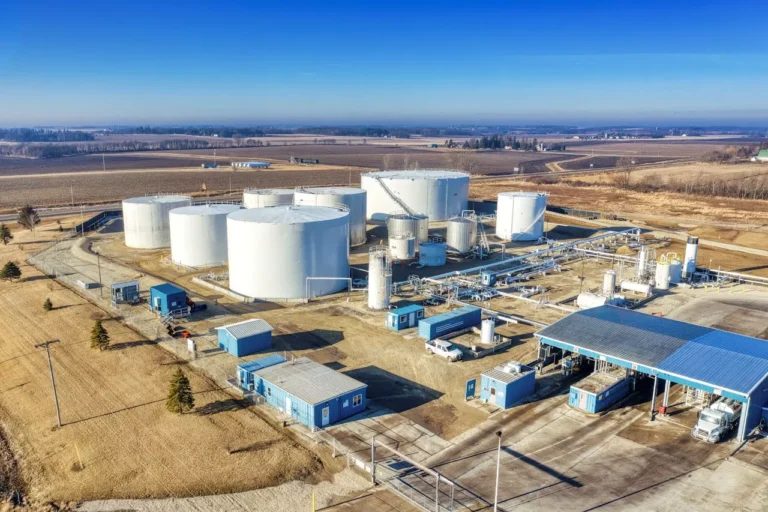
The Atlantic Renewable Natural Gas Facility, which began operations in 2025, has a design capacity of approximately 624,990 million British thermal units (mmBtus) of renewable natural gas annually. The facility converts methane generated from organic waste sources into pipeline-quality renewable natural gas, which can then be used as a low-carbon substitute for conventional fossil natural gas in transportation, heating, and industrial applications.
Renewable natural gas production projects such as the Atlantic facility are designed to capture methane emissions that would otherwise be released into the atmosphere from landfills, agricultural waste streams, and wastewater treatment operations. Methane is a potent greenhouse gas, and capturing it for use as an energy resource can significantly reduce lifecycle emissions compared with traditional fossil fuels.
The Atlantic project also represents the first collaboration between OPAL Fuels and South Jersey Industries (SJI), part of a previously announced joint venture between the two companies to develop and operate RNG facilities. Through the partnership, the companies aim to combine their expertise in renewable fuel development, natural gas infrastructure, and energy project management to expand RNG production capacity in key U.S. markets.
The joint venture reflects a broader industry trend in which energy companies are partnering to develop renewable gas projects that support decarbonization goals while leveraging existing natural gas distribution infrastructure. Renewable natural gas can be injected directly into natural gas pipelines and used in many of the same applications as conventional natural gas, making it an attractive option for reducing emissions in sectors that are difficult to electrify.
OPAL Fuels has been actively expanding its renewable natural gas platform in recent years, focusing on capturing methane from waste streams and converting it into clean fuel. The company’s RNG production facilities primarily target the heavy-duty transportation sector, where renewable natural gas can be used to power trucks and fleets operating on compressed or liquefied natural gas.
By producing RNG from landfill gas and agricultural waste, OPAL Fuels helps reduce methane emissions while providing a renewable fuel source that can significantly lower carbon intensity. The fuel can qualify for various environmental credit programs, including the federal Renewable Fuel Standard and California’s Low Carbon Fuel Standard, which support the development of low-carbon transportation fuels.
The introduction of transferability provisions under the Inflation Reduction Act has further accelerated the deployment of projects like the Atlantic facility. The law allows renewable energy developers to sell their tax credits directly to other taxpayers, creating a more liquid market for clean energy incentives. This mechanism enables developers that may not have sufficient tax liability to fully utilize the credits themselves to monetize them through sales to corporations seeking tax benefits.
For companies such as OPAL Fuels, the ability to transfer tax credits provides a powerful financing tool that can help fund project development and reduce overall capital costs. The proceeds generated from these transactions can be redeployed into new projects, enabling companies to scale their renewable energy portfolios more quickly.
Industry analysts note that the market for transferable clean energy tax credits has grown rapidly since the IRA’s passage, attracting participation from a wide range of investors and corporations. These transactions help bridge financing gaps for renewable energy projects while also providing buyers with an opportunity to support decarbonization initiatives.
OPAL Fuels’ fifth completed tax credit sale demonstrates how developers are increasingly leveraging these provisions to support project economics. Each completed transaction helps validate the broader market for transferable credits and provides additional liquidity for clean energy developers.
In addition to financial benefits, RNG projects such as the Atlantic facility can deliver local environmental and economic advantages. By capturing methane from organic waste sources, these projects help reduce greenhouse gas emissions while supporting responsible waste management practices. Construction and operation of RNG facilities can also generate local jobs and economic activity.
Community benefits are often an important aspect of renewable energy development, particularly for projects located near waste management facilities or agricultural operations. By converting waste-derived methane into usable energy, RNG projects create a circular resource model that transforms environmental challenges into valuable energy resources.
Looking ahead, OPAL Fuels expects renewable natural gas to remain a key component of the evolving U.S. energy landscape. As demand grows for lower-carbon fuels across transportation and industrial sectors, RNG production is projected to expand significantly over the coming decade.
The company continues to pursue new development opportunities while advancing partnerships that support the growth of its renewable gas portfolio. The collaboration with South Jersey Industries represents one example of how OPAL Fuels is working with established energy infrastructure companies to scale renewable gas production.
With the completion of the Atlantic facility tax credit sale, OPAL Fuels further strengthens its position within the renewable natural gas industry while demonstrating the effectiveness of federal incentives in supporting clean energy investment.
As developers, investors, and policymakers continue to focus on solutions that reduce greenhouse gas emissions and improve energy security, renewable natural gas projects like the Atlantic facility are expected to play an increasingly important role in the transition toward a lower-carbon energy system.
Source Link: https://www.businesswire.com/